
Essential Gardening Tips for Beginners: A Comprehensive Guide to Growing Your First Garden
Discover essential gardening tips for beginners, emphasizing soil health, tool selection, and routine care. Learn how to start small, improve soil quality, choose the right tools, and develop consistent plant maintenance habits to create a thriving garden. These comprehensive guidelines will help new gardeners gain confidence and enjoy a beautiful outdoor space.
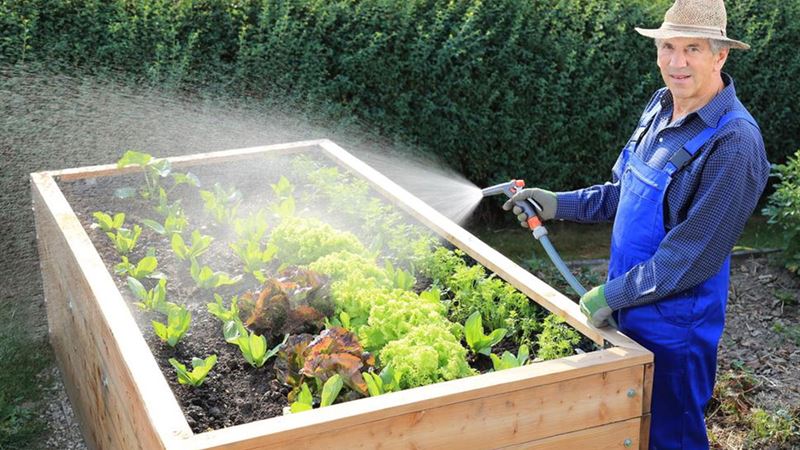
Embarking on a gardening journey can be both exciting and overwhelming for newcomers. If you're just starting out, it’s a smart move to begin with smaller projects. A gradual approach reduces frustration and helps build confidence. Investing in fundamental gardening supplies and understanding the core principles of plant care are essential steps toward a thriving garden. By following proven, beginner-friendly tips, you can cultivate a beautiful, healthy garden that brings joy and satisfaction throughout the seasons.
Prioritize Soil Health for Flourishing Plants
Healthy soil is the foundation of any successful garden. It supplies essential nutrients to plants and influences growth, flowering, and fruiting. Before planting anything, evaluate and improve your soil quality. Conduct a soil test to determine pH levels and nutrient content, then amend accordingly. Incorporate organic matter such as compost, aged manure, or cover crops to enhance fertility and structure. Using appropriate tools like garden tillers can make this process easier and more efficient. Available in various sizes and features, garden tillers help loosen compacted soil, improve aeration, and promote healthy root development. You can explore numerous options for sale online or at local garden centers, choosing based on your garden size and needs.
Healthy soil is the foundation of any successful garden. It supplies essential nutrients to plants and influences growth, flowering, and fruiting. Before planting anything, evaluate and improve your soil quality. Conduct a soil test to determine pH levels and nutrient content, then amend accordingly. Incorporate organic matter such as compost, aged manure, or cover crops to enhance fertility and structure. Using appropriate tools like garden tillers can make this process easier and more efficient. Available in various sizes and features, garden tillers help loosen compacted soil, improve aeration, and promote healthy root development. You can explore numerous options for sale online or at local garden centers, choosing based on your garden size and needs.
Select the Right Tools for Efficient Gardening
Equipping yourself with the right gardening tools simplifies your tasks and prevents unnecessary strain. Basic tools include trowels, pruning shears, garden forks, watering cans, and gloves. When choosing tools, opt for ergonomic designs that reduce fatigue, and ensure they’re made from durable materials. Proper maintenance, including cleaning and sharpening after use, extends their lifespan and keeps them in optimal condition. Well-maintained tools also provide cleaner cuts and less plant damage, promoting healthier growth. Invest in quality tools suited to your specific gardening activities—whether planting, pruning, or watering—to improve efficiency and enjoyment in your gardening experience.
Equipping yourself with the right gardening tools simplifies your tasks and prevents unnecessary strain. Basic tools include trowels, pruning shears, garden forks, watering cans, and gloves. When choosing tools, opt for ergonomic designs that reduce fatigue, and ensure they’re made from durable materials. Proper maintenance, including cleaning and sharpening after use, extends their lifespan and keeps them in optimal condition. Well-maintained tools also provide cleaner cuts and less plant damage, promoting healthier growth. Invest in quality tools suited to your specific gardening activities—whether planting, pruning, or watering—to improve efficiency and enjoyment in your gardening experience.
Develop a Regular Plant Care Routine
Creating a consistent schedule for garden observation and maintenance significantly boosts plant health. Take daily or evening walks through your garden to observe growth patterns, identify early signs of pests or diseases, and notice any weeds sprouting. By doing so, you can promptly address issues before they escalate, saving time and resources later. Regular weeding not only keeps the garden tidy but also prevents competition for nutrients and water. Establishing a bond with your plants through frequent inspections fosters a greater understanding of their needs, helping you tailor your care routines for optimal vitality. This routine also makes managing larger gardens more manageable and enjoyable over time.
Creating a consistent schedule for garden observation and maintenance significantly boosts plant health. Take daily or evening walks through your garden to observe growth patterns, identify early signs of pests or diseases, and notice any weeds sprouting. By doing so, you can promptly address issues before they escalate, saving time and resources later. Regular weeding not only keeps the garden tidy but also prevents competition for nutrients and water. Establishing a bond with your plants through frequent inspections fosters a greater understanding of their needs, helping you tailor your care routines for optimal vitality. This routine also makes managing larger gardens more manageable and enjoyable over time.
Whether you're growing vegetables, flowers, or herbs, these foundational tips will serve as a reliable guide for your gardening adventure. Remember, patience and consistency are key. Start small, learn as you go, and celebrate your garden's growth. Over time, your efforts will result in a lush, vibrant garden that adds beauty and freshness to your home environment. Happy gardening!