
Comprehensive Guide to the Advantages of Water Softening Systems
Discover the numerous benefits of installing a water softener system. From preventing pipe scaling and protecting your skin to enhancing appliance longevity and reducing energy costs, learn how softened water can greatly improve your household’s efficiency, cleanliness, and health. This comprehensive guide explains the working principles, advantages, and crucial considerations to help you make an informed decision about installing a water softening system for a better quality of life.
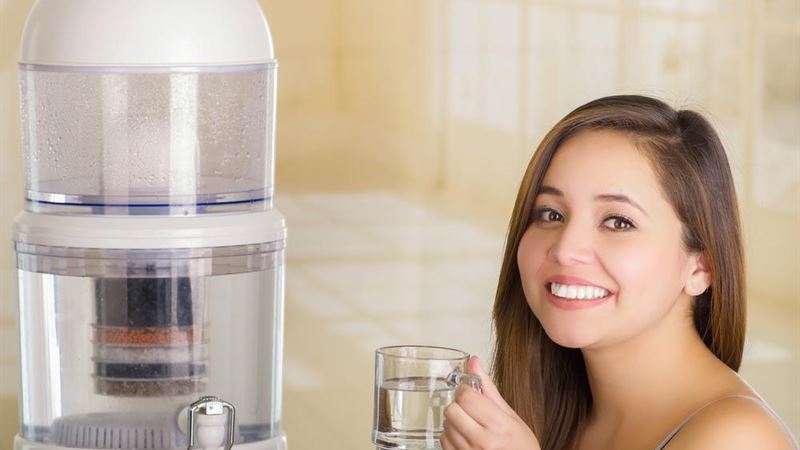
Water softening systems are an essential solution for households and industries facing issues with hard water. These systems primarily work by removing excess minerals like calcium and magnesium, which cause hardness, and replacing them with sodium ions, resulting in water that is gentler on appliances, fixtures, and human skin. The process generally involves passing water through two main components: a resin tank filled with ion-exchange beads and a regeneration tank containing salt and brine. As water passes through, the beads attract hard minerals and exchange sodium ions, softening the water effectively.
Understanding why investing in a water softener can significantly improve your daily life and equipment longevity is essential. Hard water is notorious for creating mineral deposits that scale up pipes, appliances, and fixtures over time, leading to costly repairs and replacements. Softened water mitigates these issues, providing multiple benefits that enhance household comfort, cleaning efficiency, and appliance durability.
- Universal Reduction of Scale Buildup: One of the primary advantages of softened water is its ability to prevent mineral scaling. Over prolonged usage, hard water tends to leave deposits inside plumbing systems, leading to clogged pipes and reduced water flow. By using a water softener, homeowners can avoid these complications, maintaining smooth and efficient plumbing circuitry and extending the lifespan of their infrastructure.
- Gentle on Skin and Hair: Hard water contains minerals that can strip moisture from skin and hair, causing dryness, irritation, and dullness. Soft water, being free from these mineral impurities, preserves skin elasticity and hair health, making showers and baths more comfortable and less damaging over time.
- Enhanced Cleaning Performance: Surfaces cleaned with softened water tend to look cleaner, shinier, and free of spots. Since soft water does not leave mineral residues, cleaning tasks become more effective and less labor-intensive. Kitchen and bathroom fixtures stay sparkly, and windows and glass surfaces remain streak-free.
- Protects Fabrics and Improves Laundry Quality: Washing clothes with soft water ensures that no mineral deposits are left behind, which can often cause fabrics to appear dull or gray, especially whites. Detergents dissolve better in soft water, enhancing their cleaning power and resulting in brighter, softer garments lasting longer.
- Prolongs Appliance Lifespan: Appliances that use water—such as dishwashers, washing machines, water heaters, coffee makers, and steam irons—are susceptible to damage from mineral buildup. Softened water reduces this scaling, keeping appliances functioning efficiently and reducing maintenance costs.
- Cost Savings on Repairs and Replacements: Over time, hard water can cause significant damage to plumbing and appliances, leading to expensive repairs. Utilizing a water softener protects your investments, lowering the need for frequent repairs and replacements linked to mineral deposits.
- Energy Efficiency Boost: Since soft water heats up faster and requires less energy to reach desired temperatures, you benefit from lower utility bills. Faster heating reduces energy consumption, contributing to a more eco-friendly household.
- Reduces Soap Scum and Improves Hygiene: Soft water significantly decreases the formation of soap curds and residue, making bathing and cleaning more effective and leaving skin feeling smooth. It also improves the overall hygiene by facilitating better soap and shampoo lathering.
- Important Considerations for Consumption: While softened water offers many benefits, individuals on low-sodium diets should exercise caution, as the softening process replaces calcium and magnesium with sodium. This makes the water less ideal for those with health restrictions, emphasizing the need for proper testing and consultation before installation.
Before choosing a water softening system, it’s crucial to assess the hardness level of your water supply. Many service providers offer testing services, and do-it-yourself testing kits are available commercially. Accurate measurement helps determine the appropriate size and type of softener needed, ensuring optimal performance and value.
Investing in a water softener can be one of the best decisions you make for your home or business, leading to better water quality, lower maintenance costs, and an overall increase in comfort and convenience. With proper selection and regular maintenance, a water softening system will serve you efficiently for many years, making hard water issues a thing of the past.