
Comprehensive Guide to Alleviating Swollen Ankle Discomfort
This extensive guide provides insights into the causes, symptoms, and advanced treatment options for swollen ankles. Learn how to effectively manage swelling through elevation, compression, exercise, and proper medical care. Recognize warning signs and know when to consult a healthcare professional for optimal recovery and health safety.
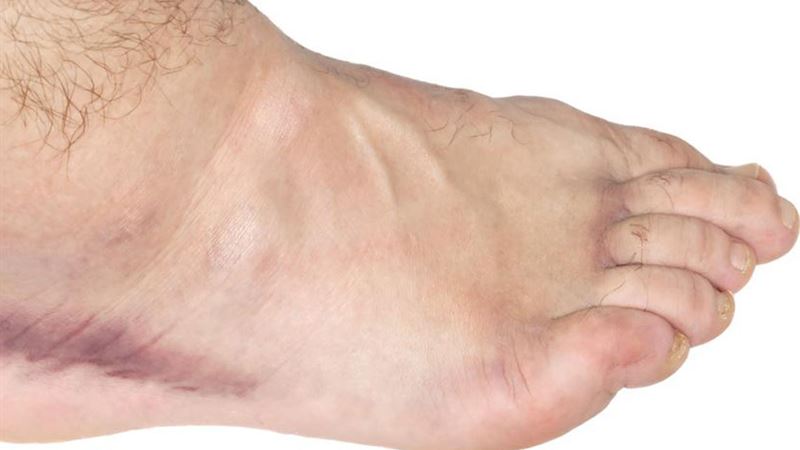
Recognizing the signs of a swollen ankle is crucial for timely intervention and effective treatment. Symptoms can vary depending on the underlying cause, and being aware of these indicators can help you determine whether professional medical attention is necessary.
- Noticeable increase in ankle size: The affected ankle may appear enlarged or swollen compared to the other side.
- Changes in skin appearance: The skin over the swollen area may look pale, shiny, or appear taut. Sometimes, discoloration such as redness or darker patches can occur.
- Pressing the swollen area leaves an indentation: When applying gentle pressure with a finger, the swelling may leave a temporary dent or impression, which indicates fluid retention.
- Puffiness in both ankles: The swelling might be unilateral (one ankle) or bilateral (both ankles).
- Additional signs include skin warmth, presence of sores or ulcers, pus drainage, high blood pressure, frequent headaches, irregular heartbeat, puffy eyes, swollen hands or wrists, frequent urination, and unexpected weight gain.
Swelling in the ankle region typically results from fluid accumulation or inflammation, but numerous factors contribute to these changes. Understanding the common causes can help identify the appropriate treatment strategy and determine when to seek professional help.
- Prolonged standing or sitting: Long hours spent on your feet or in sedentary positions can impede circulation, leading to fluid buildup.
- Recent surgical procedures: Postoperative swelling is common due to tissue trauma and inflammation.
- Extended walking or physical activity: Overexertion causes strain on the ankle joints and tissues, resulting in swelling.
- Trauma or injury: Sprains, fractures, or blunt-force injuries can cause localized swelling, pain, and inflammation.
- Heart, liver, or kidney disorders: These systemic conditions often result in fluid retention, manifesting as ankle swelling.
- Infections: Localized infections or cellulitis can lead to inflammation and swelling.
- Lymphatic obstruction: Blockages in lymph vessels or nodes impede fluid drainage, causing swelling.
- Blood clots: Deep vein thrombosis (DVT) can produce sudden and severe swelling in one ankle, requiring urgent medical attention.
Individuals at higher risk include pregnant women, especially in later trimesters, people with sedentary lifestyles or physically demanding jobs, obese individuals, and those on medications such as corticosteroids, NSAIDs, hormone therapy, antidepressants, calcium channel blockers, or diabetes medications. Recognizing these risk factors facilitates early intervention and tailored treatment approaches.
If you experience ankle swelling, implementing specific treatment techniques can expedite recovery and alleviate discomfort. Here are some proven methods:
- Elevate Your Legs: The initial and most straightforward step in managing swelling is elevating your legs above your heart level. This helps reduce fluid buildup by encouraging circulation. Use pillows or specialized leg wedges while sleeping, working, or relaxing at home. Elevation reduces pressure on the ankles and minimizes swelling effectively. Practicing yoga poses such as lying on your back and pressing legs against a wall can also promote fluid drainage.
- Wear Compression Stockings: Compression therapy is highly effective for controlling ankle swelling. These specially designed socks apply consistent pressure to promote blood flow and prevent fluid accumulation. Available at most pharmacies, they come in varying compression levels—light, medium, and firm. Choose the appropriate compression grade based on your healthcare provider's recommendation to avoid excessive tightness that can worsen circulation issues.
- Engage in Gentle Exercises: Sitting or standing immobile for extended periods worsens swelling. Incorporate light exercises such as ankle rotations, flexing, and extending your calves and knees to stimulate circulation. Swimming is an excellent low-impact activity that promotes blood flow and reduces swelling without stressing the joints. Regular movement is key to preventing fluid from pooling in the ankles.
- Use Epsom Salt Baths: Soaking your swollen ankles in cool water infused with Epsom salt for 15-20 minutes can provide relief from swelling and associated pain. Epsom salt helps relax muscles, reduce inflammation, and draw excess fluid from tissues. For added comfort, elevate your legs during the soak to enhance the effect.
- appropriately Take Medications: For infections, your doctor may prescribe antibiotics. In cases of sprains or strains, a splint or elastic wrap can provide support and reduce swelling. Anti-inflammatory medications may also be recommended to manage pain and inflammation, but always consult your healthcare provider before starting any new medication regimen.
While minor swelling can often be managed at home, certain signs indicate the need for immediate medical evaluation. Seek emergency care if you experience:
- Sudden, severe swelling in one ankle
- Accompanying chest pain or difficulty breathing
- High fever with localized redness and warmth
- Signs of infection such as pus or open sores
- Sudden inability to move the ankle
- Persistent or worsening swelling despite home treatments
Prompt diagnosis and treatment are crucial for conditions like blood clots or infections. Medical professionals may utilize imaging tests such as ultrasound or MRI to determine the cause of swelling and devise appropriate interventions. Remember, early intervention can prevent complications and ensure swift recovery.