
Ultimate Guide to Selecting the Ideal Running Shoes for Your Fitness Journey
Discover expert tips on selecting the perfect running shoes tailored to your needs. From understanding shoe types and ensuring proper fit to investing wisely, this comprehensive guide helps you enhance comfort, performance, and injury prevention to make every run enjoyable and safe.
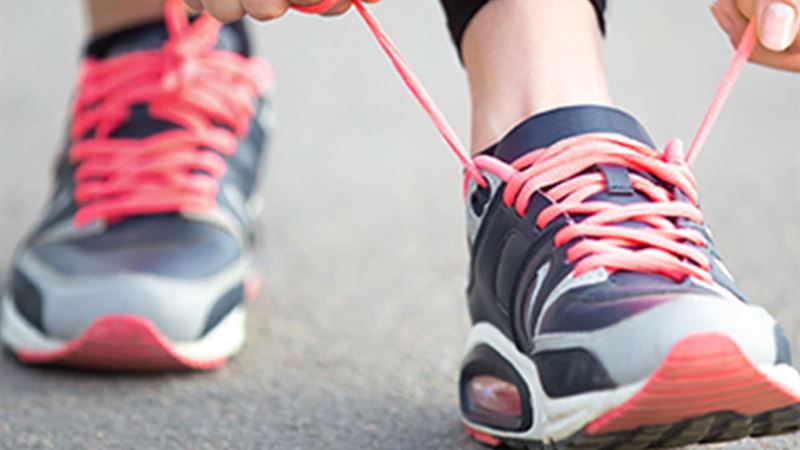
Finding the perfect pair of running shoes is essential for maximizing performance, preventing injuries, and enjoying your runs. There are various types of running shoes designed to cater to different needs, and selecting the right fit is crucial for comfort and safety. This comprehensive guide explores the different types of running shoes, essential fitting tips, budget considerations, and how to choose footwear that aligns with your running style and terrain.
- Understanding the Types of Running Shoes
When shopping for running shoes, it’s important to first identify the type of shoe that suits your training routine and the terrain you'll be running on. Generally, running shoes fall into three main categories: road running shoes, trail running shoes, and racing flats or lightweight trainers.
- **Road Running Shoes:** Designed for pavement and hard surfaces, these shoes offer great cushioning and stability. They are ideal for runners who primarily run on city streets and treadmills.
- **Trail Running Shoes:** Built for off-road terrains like muddy paths, rocky trails, and uneven ground, these shoes provide enhanced grip, protection, and durability. They often feature reinforced toe caps and aggressive tread patterns for superior traction.
- **Lightweight Running Shoes / Racing Flats:** These are optimized for speed and minimal weight, making them perfect for racing events and speed workouts. They typically have less cushioning and support but foster greater agility.
Why Proper Fit Is Critical for Running Shoes
Choosing a shoe that fits well is paramount for preventing discomfort, blisters, and injuries. Ill-fitting shoes can lead to issues such as plantar fasciitis, stress fractures, and shin splints. When trying on running shoes, consider the following tips to ensure optimal fit:
- Visit a specialty footwear store in the late afternoon or evening, when your feet are at their largest size due to normal swelling throughout the day.
- Ensure there is about a thumb's width of space between your longest toe and the end of the shoe to allow for proper toe movement and prevent pinching.
- Remember that most shoe sizes are based on length and width; therefore, try shoes on both feet and choose the size that fits best on the wider foot if there is any discrepancy.
It's also recommended to wear the socks you plan to run in during fitting, as thicker socks can influence the proper sizing.
Investing in Quality Pays Off
While it might be tempting to opt for cheaper running shoes, investing a little more money often results in better comfort, protection, and durability. Higher-priced models generally employ superior cushioning, shock absorption, and materials that reduce the risk of injury. Cheap shoes with minimal support can lead to discomfort and even long-term injuries, ultimately costing more in medical bills and lost training time.
Consider trying shoes that are slightly above your usual budget if it means gaining improved performance and injury prevention. Focus on brands known for quality craftsmanship and research the specific features that align with your running needs.
Additional Tips for Selecting the Perfect Running Shoes
- ** gait analysis:** Many specialty stores offer gait analysis services that evaluate your running style and help recommend suitable shoes based on your foot biomechanics.
- **Replace your shoes regularly:** Running shoes typically last between 300 and 500 miles. Worn-out shoes lose their cushioning and support, increasing injury risk.
- **Listen to your body:** If you experience persistent pain, numbness, or discomfort, it might be time to reconsider your footwear choice and seek professional advice.
Choosing the right running shoes requires careful consideration of your specific needs, terrain, and running style. Proper fitting, investing in quality, and understanding the different types of shoes will help you run safely and efficiently. Remember, the right pair of shoes can transform your running experience from discomfort to enjoyment, contributing significantly to your overall fitness journey.