
Complete Overview of Hearing Aid Pricing and Assistance Options in Germany
This comprehensive guide explores the various price ranges of hearing aids in Germany, factors influencing costs, insurance coverage, assistance programs, and extra expenses. It aims to help individuals make informed decisions and find affordable solutions for hearing health needs.
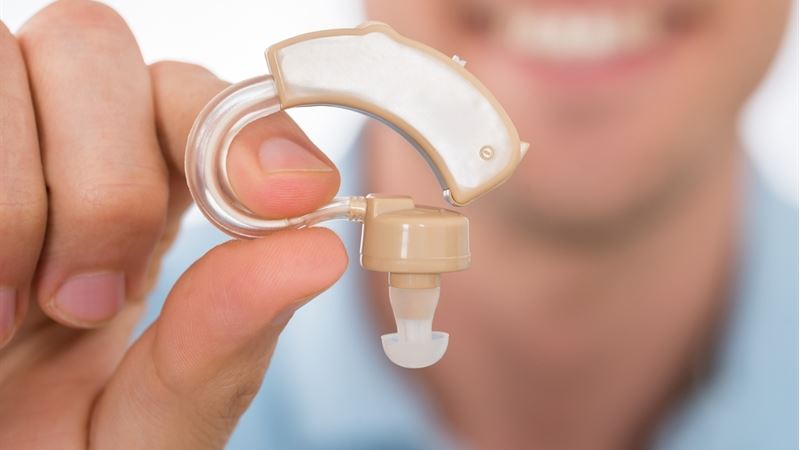
- Categories of Hearing Aids and Cost Ranges
Hearing aids can be broadly classified into three main categories based on their features and technological capabilities, each with distinct price ranges:
- Entry-Level (Basic) Hearing Aids: These models serve fundamental purposes, providing essential sound amplification and noise filtering. They are typically affordable, costing between €500 and €1,000. These devices are ideal for individuals with mild to moderate hearing loss who seek effective yet simple solutions without extensive customization or advanced features.
- Mid-Range Hearing Aids: This category includes devices with enhanced functionalities such as directional microphones, better background noise management, and wireless connectivity to smartphones and other devices. Prices generally fall between €1,000 and €2,500. These hearing aids strike a balance between affordability and advanced technological features, suitable for moderate to severe hearing impairments.
- High-End or Premium Hearing Aids: Designed for users who demand the latest technology and superior performance, premium hearing aids feature automatic adaptive directionality, spatial sound perception, seamless integration across digital platforms, and sophisticated noise reduction algorithms. They can cost from €2,500 up to €3,500 or more, often including extra customization options and comprehensive aftercare services.
- Key Factors Affecting Hearing Aid Costs
Several elements influence the final price of hearing devices, impacting both initial purchase costs and long-term expenses:
- Technology and Functional Features: Advanced features like connectivity, enhanced noise filtering, automatic adjustments, and spatial awareness significantly increase the cost.
- Brand Reputation: Renowned brands known for innovation, durability, and customer support tend to command higher prices.
- Customization and Fitting: Custom-molded hearing aids tailored precisely to an individual’s ear shape and specific hearing profile usually involve higher costs compared to generic, off-the-shelf models.
- Additional Services and Aftercare: Ongoing services such as routine adjustments, repairs, cleaning, and follow-up appointments can contribute to the overall expenditure, but they are essential for optimal device performance and lifespan.
- Health Insurance Coverage and Support Mechanisms
In Germany, access to financial support for hearing aids is facilitated through the national healthcare system, though coverage levels and conditions vary:
- Statutory Health Insurance (SHI): Those covered by Germany's public health insurance can receive subsidies for hearing aids upon presenting a prescription from an ENT specialist. While the basic models are covered largely by the subsidy, more advanced devices may require additional out-of-pocket payments. Typically, the subsidy amounts to around €700 per device for adults, and up to €1,500 for children, depending on individual circumstances.
- Private Health Insurance: Private plans may offer varying degrees of reimbursement for hearing aids. It’s crucial for policyholders to review their coverage details to understand the scope of support, copayments, and additional benefits.
- Social Welfare Programs: Financial assistance may be available through social services for individuals facing economic challenges. These programs can sometimes cover the full cost of hearing aids, including premium devices, based on eligibility criteria.
- Additional Financial Assistance and Subsidy Opportunities
Germany provides various programs aimed at easing the financial burden of acquiring hearing aids:
- Federal Ministry for Labor and Social Affairs (BMAS): This government body administers initiatives supporting people with disabilities, including those with hearing impairments, offering financial aid or subsidies for necessary medical devices.
- Rehabilitation and Vocational Support Programs: Organizations focusing on workplace reintegration and vocational rehabilitation can assist eligible individuals by covering part of or entire costs associated with hearing aids, especially when hearing impairment impacts employment.
- Charitable and Non-Profit Organizations: Numerous non-profit groups and charities operate across Germany providing free or discounted hearing aids, batteries, and maintenance services for those in financial need.
- Additional Costs to Consider When Purchasing Hearing Aids
Beyond the device price itself, several related expenses should be factored into your budgeting plans:
- Batteries and Maintenance: Regular battery replacements are necessary, and maintenance services such as cleaning and repairs also add to ongoing costs. Rechargeable models, although more expensive upfront, can reduce long-term expenses.
- Accessories and Enhancements: Additional accessories, including remote controls, Bluetooth connectivity modules, and microphones, can enhance usability but come at extra cost.
- Professional Services: Costs for audiologist consultations, device fitting, and follow-up visits are essential components of ensuring optimal device performance and user satisfaction.
To navigate the comprehensive landscape of hearing aid expenses in Germany, it is vital to understand the interplay of device features, insurance support, and available aid programs. While the initial investment might seem substantial, multiple avenues exist to make these essential devices more affordable. Leveraging insurance subsidies, accessing social support programs, and considering long-term maintenance costs are key strategies to ensure you or your loved ones receive the best hearing health solutions within your budget.
Making informed financial decisions is paramount for securing effective hearing solutions. We hope this extensive guide offers valuable insights into the complexities surrounding hearing aid costs and support options in Germany, empowering individuals to improve their quality of life through better hearing capabilities.