
Comprehensive Guide to Gout Management and Prevention Strategies
This comprehensive article explores effective strategies for gout management and prevention. It details medications like colchicine and corticosteroids, emphasizes lifestyle changes, and highlights the importance of medical supervision. Long-term management includes medications to reduce uric acid and prevent tophi. Practical tips such as hydration, rest, and stress management are also discussed to help patients control and prevent gout attacks. Understanding these approaches can significantly improve quality of life for those affected by this painful condition.
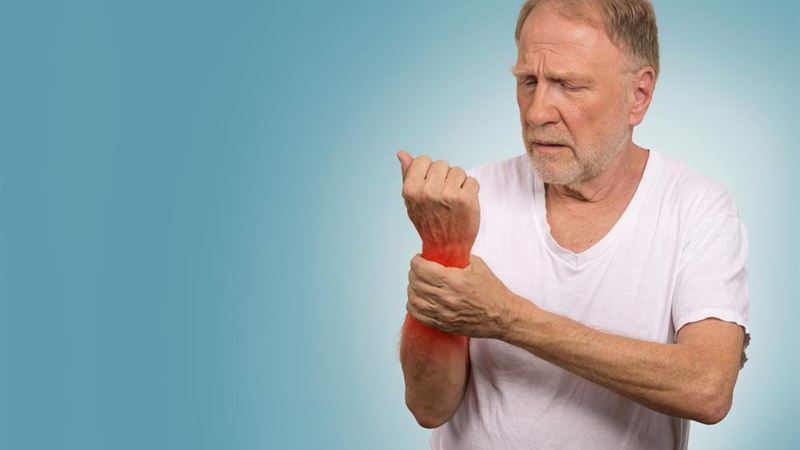
- Colchicine: An Effective First-Line Treatment
Colchicine is a medication derived from natural plant extracts and plays a crucial role in the management of acute gout attacks. It is most effective when taken within the first 24 hours of symptom onset, helping to significantly reduce pain, swelling, and inflammation. Proper dosing and timing are essential for optimal results, and patients should always consult their healthcare provider before starting colchicine therapy. Its anti-inflammatory properties make it a preferred choice in early-stage gout management, especially during sudden flare-ups. - Corticosteroids: Powerful Anti-Inflammatory Agents
Multiple corticosteroid formulations are utilized in treating gout, particularly during severe attacks or when other medications are contraindicated. These drugs—including prednisone, methylprednisolone, and ACTH—are administered either orally or via injection directly into affected joints. Injectable corticosteroids, such as triamcinolone, are often used for localized relief, rapidly decreasing inflammation and pain. The choice of corticosteroid and administration method depends on the severity of the attack, patient health, and physician discretion.
- Rest, Hydration, and Stress Management
During a gout flare-up, adequate rest and proper hydration are vital. Elevating the involved joint decreases swelling and discomfort, while drinking plenty of water helps flush out excess uric acid from the body. Reducing stress is equally important, as emotional or physical stress can trigger or worsen gout episodes. Incorporating gentle activity and relaxation techniques into daily routines can aid in faster recovery and prevent subsequent attacks. - Seeking Medical Advice: An Essential Step
While gout pain can be overwhelming, seeking prompt medical attention ensures proper diagnosis and effective management. Healthcare professionals can evaluate uric acid levels, prescribe appropriate medications, and recommend individualized lifestyle changes to reduce future risks. Regular follow-ups and blood tests are necessary for monitoring the condition and adjusting treatment plans accordingly, ultimately aiming to decrease the frequency and severity of gout flare-ups.
Strategies for Long-Term Gout Management
- Adopting Healthy Lifestyle Habits
Dietary modifications, weight management, and physical activity are foundational to preventing gout attacks. Limiting intake of purine-rich foods—such as red meats, organ meats, and seafood—can substantially lower uric acid production. Reducing consumption of sugary beverages and alcohol, especially beer, is equally important. Maintaining a healthy weight decreases strain on joints and reduces uric acid levels, creating an environment less conducive to gout development. - Medications to Prevent Future Attacks
Long-term medications like Allopurinol, Febuxostat, Lesinurad, Probenecid, and Pegloticase are often prescribed to lower uric acid production or enhance excretion. Consistent adherence to these medications, alongside colchicine or NSAIDs during the initial weeks or months, helps in preventing recurrent gout episodes. Regular blood tests guide dosage adjustments and monitor for potential side effects, ensuring effective and safe management. - Addressing Tophi and Other Complications
Tophi are firm, chalky nodules caused by uric acid crystal deposits, often appearing in joints, cartilage, or soft tissues. Their presence indicates longstanding hyperuricemia. Treatment involves medications such as xanthine oxidase inhibitors to reduce the size of tophi and alleviate associated pain or deformity. In some cases, surgical removal may be necessary if tophi cause significant functional impairment or persistent discomfort.