
Comprehensive Guide to Meniscus Tear Treatment: Options and Strategies
This comprehensive guide explores various treatment options for meniscus tears, including physical therapy exercises, medication use, self-care techniques, and surgical interventions. It emphasizes the importance of personalized care under medical supervision to ensure effective recovery, minimizing long-term knee issues and promoting joint health. Learn how conservative treatments combined with professional medical advice can help restore knee function and speed up healing.
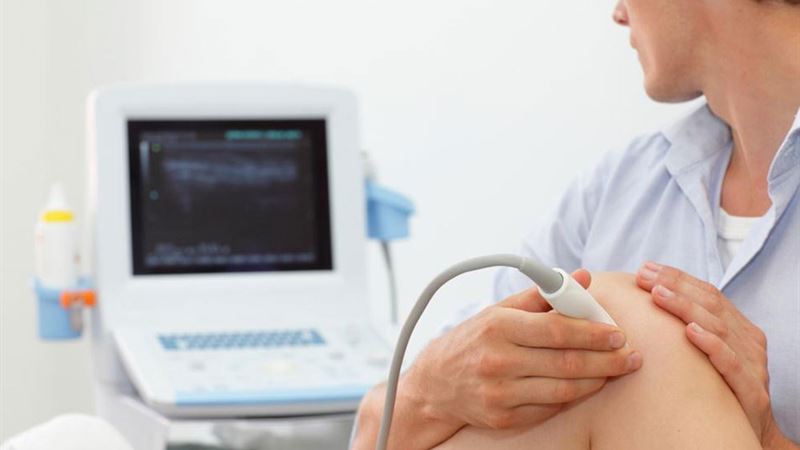
Recovering from a meniscus tear requires a tailored approach that considers the severity of the injury, the patient's activity level, and overall health. There are multiple strategies available, ranging from conservative management like physical therapy and medication to surgical interventions when necessary. It's crucial to understand each treatment method's benefits and limitations to make informed decisions in collaboration with healthcare professionals. This detailed guide explores the various options available for meniscus tear treatment, ensuring you have a comprehensive understanding of how to effectively manage and recover from this common knee injury.
Physical therapy plays a pivotal role in the conservative management of meniscus tears. Initial exercises focus on strengthening and stabilizing the knee without exacerbating the injury. For example, exercises such as wall squats with a ball, step-ups, knee stabilization drills, and terminal knee extensions can significantly improve joint functionality once the initial pain and swelling subside. It is vital to perform these exercises under the supervision of a qualified physical therapist to prevent further injury. Over time, a progression to more advanced exercises can help restore full range of motion and strengthen the surrounding muscles, contributing to joint stability and reducing the risk of future injuries.
When it comes to physical therapy, a comprehensive program may include various exercises like quadriceps sets, hamstring curls, heel digs, bridging, and shallow knee bends. These activities are tailored to enhance muscle strength around the knee, improve proprioception, and support overall joint health. Adherence to a personalized exercise regimen can accelerate healing and facilitate a return to daily activities or sports. It's essential to maintain consistency and gradually increase intensity as advised by your physiotherapist.
Pharmacological Treatments: Managing pain and inflammation is a key aspect of meniscus tear recovery. Medications are categorized based on their function: non-steroidal anti-inflammatory drugs (NSAIDs) and analgesics. NSAIDs like ibuprofen and naproxen are effective in reducing inflammation and alleviating pain associated with knee injuries. They can be used short-term during flare-ups to control symptoms. Analgesics, including acetaminophen, mainly focus on pain relief without anti-inflammatory effects. Your healthcare provider will recommend appropriate medication based on your specific condition to minimize side effects and optimize recovery.
NSAIDs are particularly beneficial in managing acute symptoms, but long-term use should be monitored due to potential gastrointestinal or cardiovascular side effects. It's important to follow prescribed dosages and duration to ensure safety. Combining medication with other conservative measures often yields the best results in symptom management, providing relief and improving mobility during the healing process.
Self-Care and Home Remedies: Apart from medical treatments, self-care practices can significantly influence recovery outcomes. The RICE protocol, which encompasses Rest, Ice, Compression, and Elevation, is widely recommended for reducing swelling and pain. Rest involves limiting weight-bearing activities to prevent further joint stress. Applying ice packs to the affected knee can diminish inflammation and ease discomfort. Compression with elastic bandages helps stabilize the joint, while elevating the leg above heart level reduces swelling and promotes fluid drainage. These measures are most effective in the initial stages post-injury.
In addition to RICE, engaging in light, controlled physical activity is encouraged. Aerobic exercises such as swimming, cycling, or walking can improve cardiovascular fitness without placing excessive strain on the knee. Maintaining a healthy weight is also crucial, as excess weight increases joint stress and hampers recovery. Incorporating dietary adjustments rich in anti-inflammatory foods may support joint health. Consulting with your healthcare provider before starting any new exercise or self-care routine is essential to ensure safety and effectiveness.
Surgery is considered when conservative treatments fail to alleviate symptoms or when the injury is severe. Arthroscopic meniscectomy or meniscus repair involves minimally invasive procedures to remove or mend damaged cartilage. Arthroscopy allows surgeons to visualize the inside of the knee joint clearly and address specific issues with precision. This approach typically results in quicker recovery times and less postoperative pain compared to open surgeries. However, the decision to proceed with surgery depends on factors such as tear location, patient age, activity level, and overall joint health.
Postoperative care includes specific rehabilitation protocols to restore mobility, strength, and function. Physical therapy often becomes more intensive after surgery to regain full range of motion and prevent stiffness. In some cases, a combination of surgical repair and subsequent conservative management provides the best outcome. Your orthopedic surgeon will guide you through the recovery process, including weight-bearing restrictions, exercises to promote healing, and strategies to protect the repaired meniscus.
Consulting with specialized medical professionals like orthopedic surgeons ensures personalized treatment planning. Specialists can assess the severity of the injury accurately using imaging techniques such as MRI and recommend the most appropriate intervention. Early diagnosis and timely management are critical in preventing long-term complications, such as osteoarthritis or joint instability. Regular follow-up appointments are vital to monitor healing progress and prevent re-injury. A multidisciplinary approach, combining medical, surgical, and rehabilitative strategies, offers the best chance for a successful recovery and return to normal activities.