
Comprehensive Guide to Freight Shipping: Advantages, Challenges, and Essential Insights
This extensive guide explores the advantages and challenges of freight shipping, detailing different modes, equipment, cost factors, and tips for efficient logistics. Learn how to select the best carriers, optimize costs, and handle common issues effectively for seamless cargo transportation and business success.
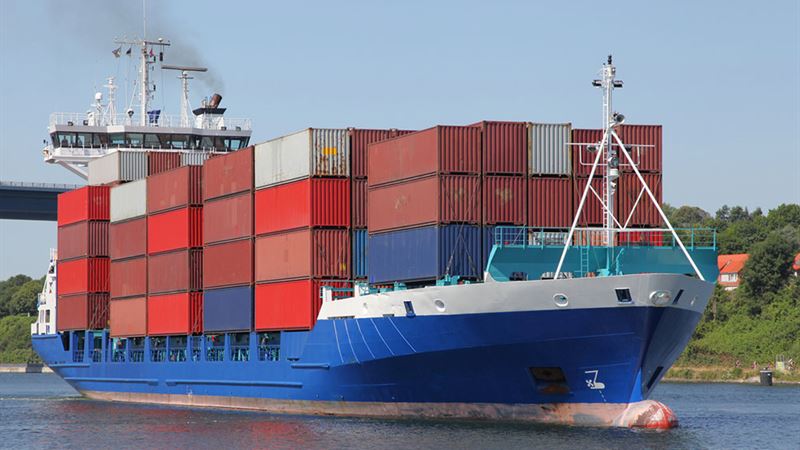
- Leading Carrier Partners
When it comes to transporting goods, ensuring timely delivery and safety is paramount. Collaborating with a dependable freight shipping service provider can offer peace of mind, guaranteeing that your shipments arrive on schedule and intact. Whether you choose to connect online or visit logistics offices, selecting a provider that works with top-tier carriers is essential for streamlined operations. Reliable freight partners also help in navigating the complex logistics landscape and optimizing the shipping process for your specific needs.
- Cost-Effective Shipping Solutions
For many businesses, managing shipping costs efficiently can be challenging. The process of obtaining multiple quotes from different carriers, comparing rates, and choosing the best option can be overwhelming without proper guidance. Engaging an experienced freight broker or agent who aggregates quotes from leading freight companies allows you to compare costs effortlessly. This approach ensures you secure the most economical freight rates, saving your business significant resources while maintaining quality standards.
- Ensuring On-Time Delivery
Timeliness is a critical factor in freight shipping. Selecting the right freight service provider can significantly improve delivery punctuality, especially for high-priority shipments. Many carriers offer various delivery modes tailored to specific timeframes. Whether you need same-day, overnight, or scheduled deliveries, an experienced agent can help you choose the most appropriate option. This flexibility ensures your urgent or time-sensitive goods reach their destinations promptly, satisfying customer expectations and maintaining your business reputation.
Different Freight Shipping Modes
Understanding the various modes of freight transportation is vital to making informed decisions. Here we analyze each method in detail to help you determine the best fit for your shipment requirements.
- Less Than Truckload (LTL)
This mode suits shipments that are larger than typical parcels but do not occupy a full truckspace. Usually, LTL is preferred for cargo weighing between approximately 150 and 15,000 pounds. Multiple shipments from different clients are consolidated into one truck, making it a cost-efficient option for medium-sized loads, while also reducing transit time and handling risks. - Full Truckload (FTL)
FTL shipping is optimal for large shipments that fill an entire semi-trailer. Typically, cargos exceeding 15,000 pounds are transported this way. The main advantages include faster transit, minimal handling, and reduced risk of damage. FTL offers overall cost-effectiveness, especially when volume discounts are negotiated, making it ideal for businesses with sizable or continuous freight needs. - Partial Truckload (PTL)
PTL combines aspects of both LTL and FTL. This option allows shippers to share truck space with other clients, leading to savings on shipping costs. It's suitable for shipments that are more than six pallets or exceed 5,000 pounds but do not require a full truck. PTL provides flexibility and cost efficiency for medium-to-large freight volumes. - Intermodal Transportation
This innovative shipping mode combines multiple transport methods, predominantly trucking and rail, to optimize efficiency and cost. Utilizing intermodal logistics can significantly reduce fuel consumption and carbon emissions. It involves moving containers seamlessly between ships, trains, and trucks, simplifying complex freight routes for larger consignments or international shipping. - Expedited Shipping
When time is critical, expedited freight shipping guarantees swift delivery, often via air or dedicated trucks. This mode prioritizes speed over cost, ensuring urgent goods reach their destination within tight deadlines—ideal for perishable items, spare parts, or essential equipment.
Common Equipment Used for Full Truckload Shipping
The choice of equipment depends largely on the product type and shipping conditions. Below are some of the most frequently used FTL shipping instruments:
- Dry Van Trailers
Dry vans are among the most common freight containers, accommodating general goods up to 45,000 pounds with lengths of 48 to 53 feet. Their enclosed design offers protection from weather and external elements, making them suitable for a wide range of dry goods. - Refrigerated (Temperature-Controlled) Units
Also known as reefer trucks, these are essential for temperature-sensitive items such as pharmaceuticals, perishable food, or chemicals. They maintain a controlled climate throughout transit, ensuring product integrity upon arrival. - Flatbeds
Flatbed trailers are used for oversized, bulky, or irregularly shaped cargo, such as construction machinery, lumber, or heavy equipment. Since they lack sides or a roof, they facilitate easy loading and unloading but require protection measures against weather and theft.
Factors Influencing Freight Shipping Costs
The total cost of freight shipping is not fixed; it varies based on different factors that logistics providers consider when quoting prices. Here are the primary elements affecting freight rates:
- Transportation Mode
- Dimensions and Weight
- Origin and Destination
- Regulatory and Customs Compliance
- Surcharges and Additional Fees
- Carrier Rates and Negotiations
- Handling Special Requirements
The method you choose—whether expedited, LTL, FTL, or intermodal—has a direct impact on pricing. Fast shipping options like air freight or dedicated trucking tend to be more expensive than ocean or rail options.
The size and weight of your shipment are critical. Larger and heavier cargo incurs higher costs. It is important to round dimensions accurately and measure weight precisely for accurate rate calculation, adhering to regulatory standards.
Longer distances and remote locations typically lead to increased shipping expenses. Shipping to or from major hubs or central cities may incur discounts or lower rates due to higher traffic density and efficient routes.
Different states or countries have varying regulations impacting freight costs. Compliance with safety standards, driver hours, and customs documentation can add to shipping expenses.
Extra charges may apply for special handling, lift-gates, residential deliveries, or access restrictions. Fuel surcharges are also common and fluctuate based on fuel prices.
Each carrier establishes a base rate, often calculated per 100 pounds. Negotiating rates, especially for regular, high-volume shipments, can lead to substantial savings.
If your cargo requires unique handling—such as hazardous materials, fragile items, or perishables—expect higher costs due to the additional precautions and compliance needed.
Essential Insights on Freight Shipping
To navigate the freight shipping landscape effectively, understanding key questions and concepts is crucial. Here are some common queries and their detailed answers:
- What can I ship via freight?
- How do I choose the appropriate freight solution?
- Difference between Parcels and Freight
Virtually anything that meets safety and weight standards can be shipped via freight. From raw materials and machinery to consumer goods, freight carriers accommodate diverse cargo types. Specialized carriers might focus solely on hazardous, fragile, or temperature-sensitive goods to ensure safety and compliance.
Assess your shipment’s size, urgency, nature of the cargo, and cost considerations. An experienced freight consultant can guide you in selecting the most suitable option—be it LTL, FTL, intermodal, or expedited shipping—based on your specific needs.
Parcels are smaller, lightweight shipments usually weighing less than 150 pounds and shipped individually. Freight, on the other hand, involves bulk shipments often consisting of multiple packages or large volumes, requiring specialized handling and transport arrangements.
- What is freight classification?
Freight classification provides a standardized method to categorize shipments for pricing purposes, based on factors like value, density, dimensions, and handling requirements. Class codes range from 50 to 500, helping carriers and shippers agree on fair rates and handling standards.
Should I consider freight delivery services?
Opting for professional freight services can help overcome common logistics challenges such as personnel shortages, complex documentation, and tracking difficulties. Partnering with experienced providers ensures smooth operations, cost efficiency, and real-time shipment visibility. Challenges like delays, paperwork errors, and limited flexibility can be mitigated through strategic planning, reliable partnerships, and advanced tracking systems.
In summary, freight shipping is a comprehensive process involving multiple factors impacting cost, efficiency, and safety. Choosing the right solutions and partners, understanding your cargo needs, and being prepared for common challenges are vital to leveraging freight shipping’s benefits effectively.