
Comprehensive Guide to Renting Mobile Homes and Trailers
Discover the comprehensive history and modern relevance of mobile homes and trailers. Learn about their evolution from early travel units to versatile living and work spaces, including utility work trailers designed for industrial use. This guide explores various types, market trends, and renting options suitable for diverse needs, offering insights for prospective buyers and renters seeking affordable, portable solutions for residence or work.
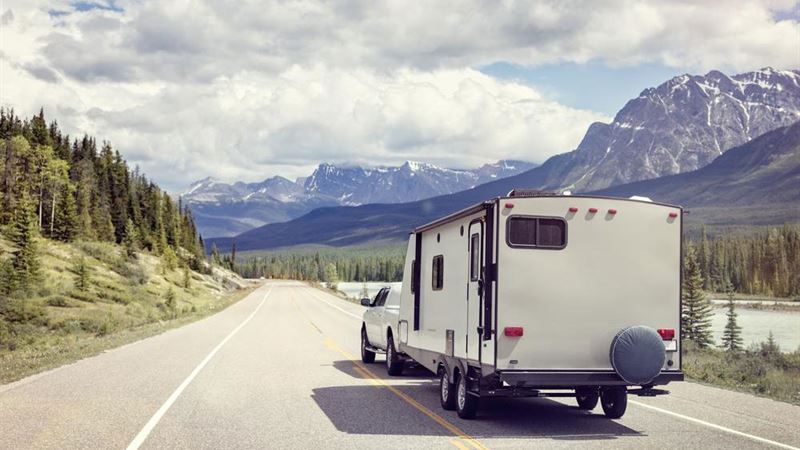
Over the past several decades, mobile homes have undergone significant transformation, evolving from simple transportation units to versatile living and working spaces. These structures now come in a wide array of sizes, layouts, and furnishings to suit different needs, whether for permanent residence, vacation retreats, or portable offices. Industry experts highlight that modern mobile homes are built with durable trailer frames, integrated axles, wheels, and hitching mechanisms, making them highly adaptable and easy to relocate.
- Historical Development of Travel Trailers
- Travel trailers have a rich history rooted in the early days of road travel, particularly when motorists relied on motorbikes and improvised living arrangements during long journeys. These early models served as mobile shelters, often called "homes on wheels," providing travelers with a comfortable place to rest and store their belongings while on the move.
- During the 20th century, especially post-1950s, the design and functionality of travel trailers saw drastic changes. The size of these units was scaled down for urban and suburban use, making them more convenient and easier to tow. They were predominantly rectangular, constructed with lightweight aluminum panels, and designed for ease of movement. The removal of wheels on certain models later became a strategic decision to reduce taxation, emphasizing their transition from purely mobile units to semi-permanent structures.
- Understanding Utility Work Trailers
- In addition to recreational mobile homes, utility work trailers have gained popularity across various industries. These trailers are specially designed as mobile workspaces—fitted with specialized equipment, workbenches, and storage areas—to cater to construction, maintenance, and remote operations. As infrastructure improves and the demand for flexible, on-site work environments grows, these trailers have become essential tools for contractors and field workers.
- The market offers a wide selection of utility work trailers, ranging from simple, economy models to fully furnished and air-conditioned units. These trailers are often customized to meet specific operational needs and come at competitive prices, making them accessible for small businesses and large industrial entities alike.
Mobile homes are now a widely accepted solution for affordable housing, vacation getaways, and remote workstations. They are praised for their flexibility, affordability, and ease of relocation. As the demand for portable and semi-permanent living spaces increases, the industry continues to innovate, improving materials, construction techniques, and amenities to enhance comfort and durability. Renting mobile homes and trailers offers a cost-effective alternative to traditional housing options, especially for individuals seeking temporary accommodations or those in remote or rural areas.
Whether you're considering a mobile home as a vacation retreat, a temporary residence, or a mobile office setup, understanding the evolution, types, and market options can help you make informed decisions. From the historic travel trailers of the past to today’s highly customizable utility work trailers, the mobile living and working solutions market is diverse and constantly evolving to meet the needs of modern consumers. Exploring your options thoroughly can ensure you find a trailer or mobile home that matches your lifestyle, budget, and functional requirements, providing a practical and flexible living or working environment wherever you go.