
Comprehensive Guide to Different Types of Mobile Homes and Their Features
Explore the various types of mobile homes, including single-wide, double-wide, and triple-wide models. Learn about their features, advantages, and considerations for buyers and renters. This guide helps you make informed decisions for affordable, flexible living options tailored to your needs, with insights on quality, customization, and installation tips. Whether you're seeking a temporary or permanent residence, discover the best mobile home type for your lifestyle and budget.
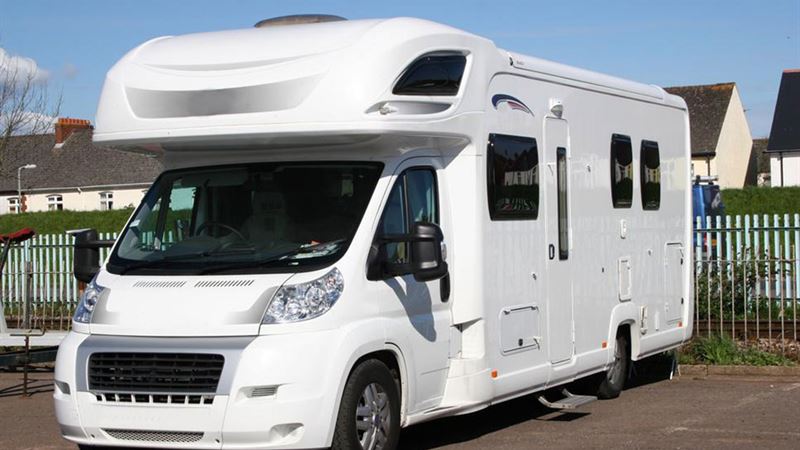
Mobile homes have become increasingly popular due to their affordability, flexibility, and convenience. Whether you're seeking a permanent residence, a temporary shelter, or an investment opportunity, understanding the various types of mobile homes is essential to making an informed decision. From single-wide to triple-wide models, each offers unique features, advantages, and considerations to fit diverse lifestyles and budgets. This comprehensive guide explores the different classifications of mobile homes, their advantages, disadvantages, and key factors to consider before making a purchase or rental.
Mobile homes, also known as manufactured homes, are factory-built residences designed to be transported to a chosen location. These homes are constructed following specific standards set by the U.S. Department of Housing and Urban Development (HUD) or equivalent authorities in other countries. The process involves assembling the home in a controlled environment, ensuring quality, safety, and energy efficiency. Once completed, they can be moved to their final site and installed on permanent or semi-permanent foundations.
The most common types of mobile homes include single-wide, double-wide, and triple-wide models. Each type caters to different needs, preferences, and budgets, providing options for individuals, small families, large families, or even investment purposes. Here's an in-depth look at each type:
- Single-Wide Mobile Homes
Single-wide mobile homes are characterized by their narrow, rectangular shape, typically measuring around 14 to 18 feet in width and extending up to 90 feet long. They are constructed as a single unit and transported in one piece, making them easier to move and install. These homes generally feature open floor plans with essential amenities such as a kitchen, living areas, bedrooms, and bathrooms.
One of the primary advantages of single-wide models is their affordability. They are cost-effective both in terms of initial investment and maintenance, making them an excellent choice for first-time homeowners, retirees, or those looking for a temporary residence. Their compact size allows for easier and less invasive installation, often requiring less land and foundation work.
However, single-wide homes have some limitations. Their narrower width can restrict interior space and layout options. Additionally, their structural stability might be compromised over time, especially if not maintained properly. While they are suitable for various climates, they may be more vulnerable to weather damage due to their size and construction.
Despite these challenges, single-wide mobile homes remain a popular choice due to their mobility and affordability. Many reputable manufacturers offer customizable floor plans and modern features, including energy-efficient appliances, upgraded interiors, and smart home integrations.
- Double-Wide Mobile Homes
Double-wide mobile homes, also known as multi-section manufactured homes, are larger and more spacious than single-wide models. They typically span between 20 to 36 feet in width and can extend over two connected sections or modules, which are attached during assembly on-site. These homes resemble traditional houses in size and layout, often including multiple bedrooms, bathrooms, and separate living areas.
The primary appeal of double-wide models is their increased space and comfort. They are ideal for families requiring more room or those desiring a more homelike atmosphere. The layout often includes formal dining rooms, larger kitchens, walk-in closets, and additional storage options. Many double-wides feature modern upgrades, luxury finishes, and design elements that mimic conventional houses.
Despite their advantages, double-wide mobile homes present certain drawbacks. Since they consist of two or more sections joined together, they may be less stable and more prone to leaks or structural issues if not constructed or maintained properly. The size also makes transportation and site preparation more complex and costly. Additionally, the installation process can be time-consuming and require specialized skills.
To ensure quality and longevity, it is recommended to purchase double-wide homes from reputed manufacturers who provide warranties and after-sales support. Regular maintenance checks for leaks, sealant integrity, and structural stability are essential to keep these homes in optimal condition.
- Triple-Wide and Multi-Section Mobile Homes
Triple-wide and larger multi-section mobile homes represent the most spacious and luxurious options available within the manufactured home category. These homes often include five or more bedrooms and multiple bathrooms, providing ample space for large families, multi-generational living, or even hosting guests comfortably.
Triple-wide homes are usually designed with modern architectural standards, featuring high-end finishes, open floor plans, and customizable layouts. They can include amenities such as gourmet kitchens, spa baths, walk-in closets, and state-of-the-art smart home features, making them comparable to traditional site-built houses.
The key advantage of triple-wide and multi-section models is their flexibility in design. Owners can choose from a variety of floor plans, exterior styles, and interior themes to match personal tastes and lifestyle requirements. Furthermore, these homes can be decorated with modern, luxurious elements and incorporate energy-efficient systems such as solar panels, advanced insulation, and smart thermostats.
However, these large mobile homes come with higher costs associated with manufacturing, transportation, and installation. Their size also demands a spacious lot and a solid foundation, which may increase the overall investment. They are best suited for owners seeking a permanent or semi-permanent residence with premium features.
- Considerations When Buying or Renting a Mobile Home
Choosing the right mobile home depends on various factors, including budget, lifestyle, location, and long-term plans. Here are some crucial considerations:
- Budget and Cost - Determine your overall budget, including purchase price, taxes, setup costs, maintenance, and insurance. Compare option costs, and consider financing options if available.
- Location and Land - Decide whether you want to place your mobile home in a leased community, private land, or a dedicated mobile home park. Each option has different regulations, amenities, and costs.
- Size and Layout - Assess your space requirements. Small families or singles may prefer single-wide models, while larger families might opt for double or triple-wide options.
- Customization and Upgrades - Explore available customization options, including interior finishes, appliances, storage, and smart technology integration.
- Quality and Warranty - Purchase from reputable dealers who offer warranties and after-sales support to ensure longevity and peace of mind.
- Legal and Zoning Regulations - Investigate local regulations regarding mobile home placement, permits, and community standards to ensure compliance.
In conclusion, mobile homes present a versatile, affordable housing solution suitable for a broad range of needs. Whether seeking a simple, mobile dwelling or a luxurious, multi-section residence, there are options available to match your lifestyle and budget. Conduct thorough research, choose reputable manufacturers, and consider long-term maintenance to enjoy the benefits of mobile living for years to come.