
Comprehensive Guide to Vehicle Windshields: Types, Costs, and Legal Requirements
This comprehensive guide offers insight into vehicle windshields, covering types, manufacturing processes, cost factors, legal regulations, and repair versus replacement considerations. Learn how to choose the right windshield, understand insurance coverage, and ensure safety standards are met. Whether for safety, legal compliance, or cost savings, this detailed overview assists vehicle owners in making informed decisions about windshield maintenance and replacement, providing practical tips and industry insights to keep you safe on the road.
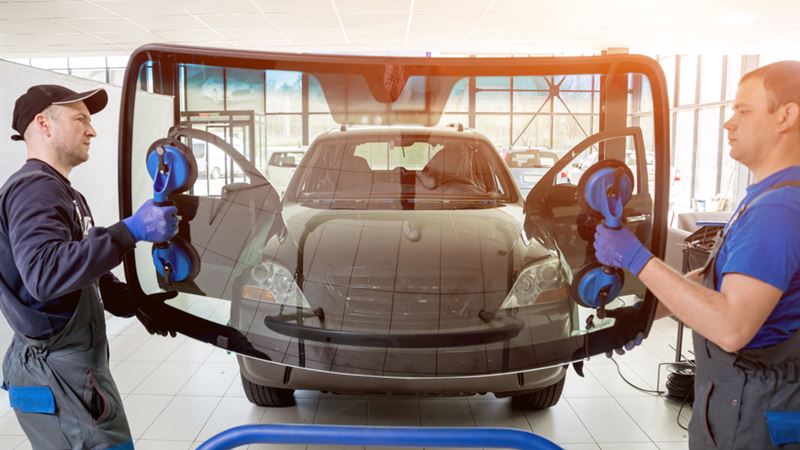
Car windshields are critical safety components that serve multiple essential functions beyond merely providing visibility. They shield occupants from debris, weather elements, and provide structural support during accidents. Crafted from specialized tempered glass, windshields undergo rigorous manufacturing and quality standards to ensure safety and durability. This guide explores the different types of windshields, manufacturing processes, factors influencing costs, legal regulations, repair versus replacement decisions, and tips to choose the right windshield for your vehicle.
Understanding the nuances of windshield technology, the manufacturing process, and legal requirements can help vehicle owners make informed decisions, ensuring safety and compliance while managing expenses effectively.
- **Glass Selection:** Specialized float glass is selected for its clarity and strength. This glass undergoes strict quality control to ensure it meets safety standards.
- **Tempering and Heating:** The glass is heated in large furnaces to approximately 1,100°F (593°C), which enhances its thermal strength and resistance to impacts. This process produces tempered glass that disintegrates into small, blunt fragments upon breakage, reducing injury risks.
- **Cutting and Bending:** The tempered glass sheets are cut to precise dimensions and bent into specific shapes that match vehicle requirements, ensuring perfect fit and functionality.
- **Lamination:** The glass is assembled with an interlayer—usually Polyvinyl Butyral (PVB)—which provides adhesion, UV filtering, and additional safety by preventing shards from flying outward during impact.
- **Sealing & Quality Inspection:** The final steps include sealing the edges and performing rigorous inspections to detect any defects, ensuring that only high-quality windshields reach the market.
These manufacturing standards and processes emphasize the importance of choosing authentic, high-quality windshields to ensure safety and longevity.
Factors Influencing Windshield Costs
Pricing for windshields varies significantly based on multiple parameters, including vehicle make and model, glass specifications, and additional features. Here’s a detailed look into what influences the cost:
- **Vehicle Year, Make, and Model:** Major brands and newer models often require specialized or OEM (Original Equipment Manufacturer) windshields, which can be more expensive.
- **Type of Glass and Customizations:** Standard glass costs less, whereas tinted, laminated, or UV-protected windshields command higher prices.
- **Manufacturing Quality and Certification:** Certified safety glass adhering to strict standards tends to be priced higher.
- **Installation and Additional Services:** Professional installation, calibration of sensors, and additional features like heads-up displays influence total costs.
- **Location and Service Provider:** Regional market differences and whether you choose a dealership, specialized repair shop, or independent mechanic can affect pricing.
Typical Cost Range for Windshields
The price of a new windshield can range from approximately $200 to over $1,000. The lower end usually represents basic, aftermarket windshields that may not include any added features or OEM specifications. Higher-end models involve advanced features like rain sensors, heating elements, or integrated cameras, which elevate costs significantly.
Most vehicle owners in the United States can expect to pay around $350 for a standard replacement in urban areas, including installation. Premium or specialty windshields may go beyond this average, especially for luxury vehicle brands like Mercedes-Benz, BMW, or Audi. Always check with authorized dealers or trusted repair specialists for accurate, vehicle-specific pricing.
Insurance and Windshield Coverage
Understanding how your insurance policy covers windshield repairs and replacements can save you money and hassle:
- **Coverage Types:** Comprehensive insurance typically covers windshield damages, often without requiring a deductible in some plans. Always verify your policy details.
- **Claim Process:** Filing a claim usually involves visiting a certified repair shop, which can work directly with your insurer for seamless processing.
- **Cost-Sharing Responsibilities:** In some cases, you may need to pay the deductible, especially for full replacements rather than minor repairs.
- **Coverage for Cost-Effective Options:** Many insurance plans cover the cost of repairs with minimal or no out-of-pocket expense, especially if your windshield damage qualifies as a small crack or chip.
Repair or Replace? Making the Right Choice
Deciding whether to repair or replace your windshield hinges on the extent of the damage and safety considerations:
- **Small Chips and Cracks:** Chips smaller than a quarter and cracks less than 14 inches can usually be repaired effectively without replacing the entire windshield. Advances in technology have made repairs quick and reliable.
- **Extent of Damage:** Cracks longer than 14 inches, damage to the inner layers, or chips forming bullseyes larger than 3 inches often necessitate full replacement.
- **Location of Damage:** Cracks near the edges or corners weaken the structural integrity and often require immediate replacement to prevent shattering.
- **Visibility and Safety Concerns:** Any damage impairing the driver’s vision warrants prompt repair or replacement to uphold safety standards and legal compliance.
- **Cost Considerations:** While repairs are more affordable—typically around $99—replacements can cost significantly more, averaging $350 nationwide.
Legal Regulations Regarding Windshields
Driving with damaged or cracked windshields is regulated by state laws, ensuring minimum safety standards:
- **Legal Standards:** Most states mandate that windshields must be free of large cracks and damage that impair visibility or compromise safety.
- **Exemptions:** Some states like Florida, Kentucky, and South Carolina offer leniency periods allowing drivers time to repair damaged windshields before facing penalties.
- **Safety Glass Requirement:** All windshields must be made from laminated safety glass certified to meet federal safety standards, ensuring proper impact resistance and structural support.
- **Size and Fit:** Windshields should meet specific size requirements to provide protection and clarity, fitting perfectly within the frame.
- **Enforcement:** Driving with severely damaged windshields can result in citations or fines, emphasizing the importance of timely repairs or replacements.
Conclusion: Choosing the Right Windshield for Your Vehicle
Ensuring the safety and longevity of your vehicle involves selecting high-quality, certified windshields and adhering to legal standards. Consider factors like size, features, cost, and your insurance coverage when making your decision. Regular inspections and prompt repairs for minor damages can save you money and protect you on the road. Always consult professional technicians for assessments and replacements to guarantee your safety and compliance with regulations.