
Comprehensive Guide to Selecting and Installing the Ideal Solar Power System for Your Home
This comprehensive guide explores crucial considerations for selecting and installing solar power systems. It covers system sizing, durability, warranty, costs, site suitability, and long-term planning to help homeowners make informed decisions. Expert tips on assessing your property, understanding installation requirements, and choosing reliable providers ensure maximum efficiency and savings while promoting eco-friendly energy use. Investing in solar power is a smart choice for sustainable living and reducing utility bills, but proper planning and expert guidance are key to getting everything right. Discover how to make your solar investment successful today.
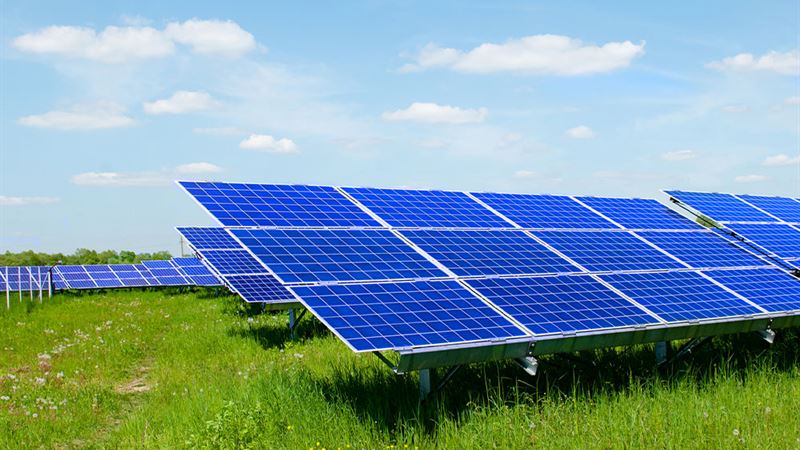
Harnessing solar energy is an excellent way to reduce your carbon footprint while significantly lowering your electricity bills. However, choosing the right solar power system and ensuring proper installation requires careful consideration of several essential factors. This extensive guide aims to walk you through every critical aspect—from selecting suitable solar panels to understanding the installation process and maintenance—so you can make informed decisions tailored to your specific needs and property conditions.
Determining the Correct Solar Panel Size
One of the first steps before investing in solar energy is assessing your power requirements. The size of the solar panel system should align with your household's energy consumption patterns. Whether you aim to supplement your existing grid supply or fully power your home independently, selecting the right capacity is crucial. An experienced solar installer can analyze your energy bills, evaluate your daily usage, and provide recommendations to ensure you receive a system that delivers optimal performance without unnecessary expenditure.
Assessing Durability and Longevity
Solar panels are designed to withstand various environmental conditions, but not all are equal in durability. Opt for systems built with high-quality materials that can endure harsh weather—including hail, snow, high winds, and extreme temperatures. Investing in durable panels assures long-term reliability and reduces the likelihood of frequent repairs or replacements, ultimately saving you money and effort over the years.
Warranty and Support Services
A comprehensive warranty is an essential safeguard when purchasing solar equipment. It typically covers the panels, inverter, and sometimes installation services for a specified period—often ranging from 10 to 25 years. Ensure you understand what the warranty encompasses, including coverage for defects, performance guarantees, and repair or replacement policies. Additionally, verify the provider’s reputation for customer support, as reliable after-sales service can make a significant difference in maintaining system efficiency.
Choosing a Reputable Provider and Maintenance Plans
Partnering with a trustworthy solar company is vital. Before making a purchase, inquire about their maintenance protocols. Some providers include routine annual maintenance as part of their package, which helps ensure your system remains in peak condition. Maintenance tasks often include panel cleaning, system checks, and software updates. If such services are not included, budget for periodic maintenance to prevent efficiency drops caused by dirt, debris, or technical issues.
Evaluating Costs and Overall Investment
Understanding the total costs involved—from purchasing panels and inverters to installation, permits, and ongoing maintenance—is essential for making an informed decision. Request detailed quotes from multiple providers to compare prices, and ensure there are no hidden fees. Remember that while upfront costs can be significant, long-term savings on energy bills and potential government incentives often justify the investment.
Pre-Installation Site Assessment
Proper site evaluation is critical for maximizing solar energy production. Your roof's condition and structural integrity must support the weight of solar panels for decades. Engage professionals to assess whether your roof can bear the load and if any repairs are necessary prior to installation. Keep in mind that a sturdy, well-prepared roof facilitates seamless installation and reduces future maintenance challenges.
Estimated Duration of Stay in Your Current Home
Solar systems involve substantial investment, typically spanning 15–30 years of operational life. If you anticipate relocating within a few years or are renting the property, it may be impractical to install solar panels, as dismantling and transferring systems can be costly and complicated. Evaluate your long-term plans before proceeding to avoid unnecessary expenses.
Compatibility of Your Property for Solar Installation
Ensuring your home is suitable for solar installation involves evaluating several key elements. These include the shading effects caused by nearby trees and structures, roof orientation, and available space. An efficient solar setup requires maximum sunlight exposure; thus, minimizing shade during peak hours is fundamental for optimal energy harvest.
- Surrounding Vegetation: Tall trees can cast shadows on your panels, reducing their energy output. Consider trimming or managing landscaping to improve sunlight access.
- Adjacent Structures: Large buildings or nearby skyscrapers may obstruct sunlight, especially if they dominate your immediate surroundings.
- Roof Direction and Tilt: Ideally, south-facing roofs in the northern hemisphere (or north-facing in southern hemisphere countries) facilitate maximum sunlight capture. The angle at which your roof is pitched also influences efficiency.
- Time and Pattern of Energy Use: Your household's energy consumption pattern should align with the solar system's output. For example, if you use most electricity in the mornings, east-facing panels are preferable; for evening usage, west-facing panels are ideal.
Understanding the nuances of your property's characteristics ensures that the solar power system you install will generate maximum energy and deliver the best return on investment. Consulting with professional solar installers can provide detailed assessments and tailored system designs exclusively suited to your location and needs.
Transitioning to solar energy is not only environmentally friendly but also a strategic financial move. By carefully considering the above factors—size, durability, warranty, costs, site conditions, and long-term commitment—you can ensure a seamless installation process and long-lasting performance of your solar power system. Remember, the key to a successful solar investment is thorough planning coupled with expert guidance. Comparing multiple providers and choosing a reputable installer can make all the difference in realizing your energy independence and savings goals.