
Comprehensive Guide to Drain Cleaners: What You Need to Know
This comprehensive guide explores everything homeowners need to know about drain cleaners, including types, benefits, risks, safety tips, and when to seek professional help. Learn how to use these products effectively and safely to keep your plumbing functioning smoothly without causing damage or harm to the environment.
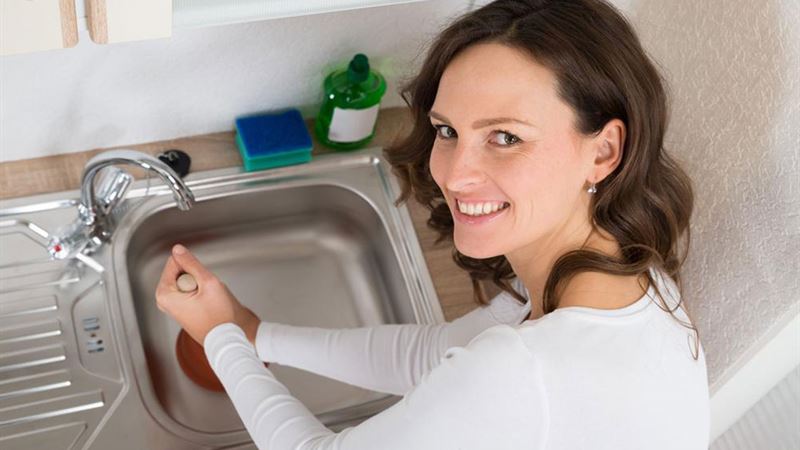
Drain cleaning products are among the most commonly used solutions for household plumbing issues. They offer a quick, affordable, and convenient way to resolve minor blockages without the need for professional help. However, understanding their functionality, benefits, and potential risks is essential for safe and effective use. This comprehensive guide provides detailed insights into drain cleaners, their types, advantages, disadvantages, and safety precautions to help homeowners make informed decisions.
Rapid Action and Ease of Use
- Fast Results: Drain cleaners are designed to break down common obstruction materials such as hair, grease, soap scum, and minor debris swiftly. Typically, they act within minutes, providing a quick remedy for clogged sinks, bathtubs, or toilets. Their ease of use makes them a popular choice for homeowners who prefer DIY fixes over calling professional plumbers.
- Cost-Effective: The affordability of drain cleaners makes them accessible to everyone. Usually available at a price tag of around $10, these chemical solutions are a fraction of the cost of professional plumbing services. Their widespread availability in supermarkets and hardware stores ensures that homeowners can keep them on hand for emergency situations.
Potential Drawbacks and Risks
- Hazardous Chemicals: The primary concern with drain cleaners is their chemical composition. Many contain corrosive substances like sulfuric acid or sodium hydroxide that can be dangerous if mishandled. Contact with skin or eyes can cause severe burns, and inhaling fumes may lead to respiratory issues.
- Environmental Impact: Improper disposal or accidental spillage of these caustic substances can contaminate water sources and harm aquatic ecosystems. It is vital to use these products with caution and follow disposal instructions carefully.
- Limited Effectiveness: While effective on simple clogs, drain cleaners may not neutralize tougher blockages composed of solid matter or build-up lodged deep within pipes. They are ineffective against hair balls that have adhered firmly or greasy substances that have stuck strongly to pipe walls. Additionally, standing water can prevent some solutions from working properly.
- Pipe Damage: Frequent or improper use of chemical drain cleaners can lead to pipe deterioration. Harsh chemicals can soften or corrode PVC or metal pipes, leading to leaks, cracks, or complete pipe failure. Such damage can result in costly repairs and extensive plumbing work.
Types of Drain Cleaners
Drain cleaners generally fall into two categories based on their chemical composition: acidic and alkaline.
- Acidic Cleaners: These contain potent acids such as sulfuric acid or hydrochloric acid. They are highly effective at dissolving organic materials like hair and grease but are also extremely corrosive. Their usage requires caution and proper protective gear to prevent injuries. Due to their aggressive nature, they are not suitable for plastic pipes and should be used sparingly.
- Alkaline Cleaners: Usually formulated with sodium hydroxide (lye) or caustic soda, alkaline drain cleaners work by saponifying fats and greases, turning them into soap-like substances that can be rinsed away easily. They are somewhat less corrosive than acid-based cleaners but still pose safety risks and should be handled with care.
Safety Tips and Best Practices
Using drain cleaners responsibly is crucial to prevent accidents and preserve your plumbing system:
- Always wear protective gloves, goggles, and masks when handling chemical drain cleaners.
- Read and follow the manufacturer's instructions carefully before use.
- Never mix different types of drain cleaners, as this can cause dangerous chemical reactions.
- Avoid using drain cleaners in toilets if possible, as the chemicals can damage the porcelain or exacerbate existing problems.
- If a clog persists after the first application, do not repeat immediately. Instead, assess the situation or seek professional help.
- Store drain cleaning chemicals out of children's reach and in a well-ventilated area.
- Consider alternative methods like manual removal or enzymatic cleaners for frequent or stubborn clogs to minimize chemical exposure.
When to Call a Professional Plumber
If your drainage issues persist despite repeated use of chemical cleaners, or if you notice recurring blockages, it’s advisable to consult a licensed plumber. Persistent clogs might indicate underlying problems such as pipe damage, tree root intrusion, or significant build-up that require professional equipment and expertise to resolve.
Furthermore, frequent reliance on harsh chemical cleaners can accelerate pipe degradation and lead to costly repairs. Regular inspection and maintenance by a professional can help prevent severe plumbing issues in the future.
In summary, drain cleaners are valuable tools for addressing minor household clogs quickly and cheaply. However, their chemical nature demands careful handling and awareness of their limitations. Combining the use of drain cleaners with regular plumbing maintenance can ensure a healthy and trouble-free plumbing system.