
Comprehensive Guide to Clearing Blocked Drain Pipes Effectively
Discover expert techniques for effectively clearing clogged drain pipes, from using plungers and chemical dissolvers to preventive measures that keep your plumbing system running smoothly. Learn how to address common blockages in sinks, kitchens, and outdoor drains with detailed, step-by-step instructions designed for homeowners and DIY enthusiasts. Regular maintenance, proper cleaning methods, and understanding the causes of clogs can help you avoid costly repairs and ensure a healthy plumbing environment.
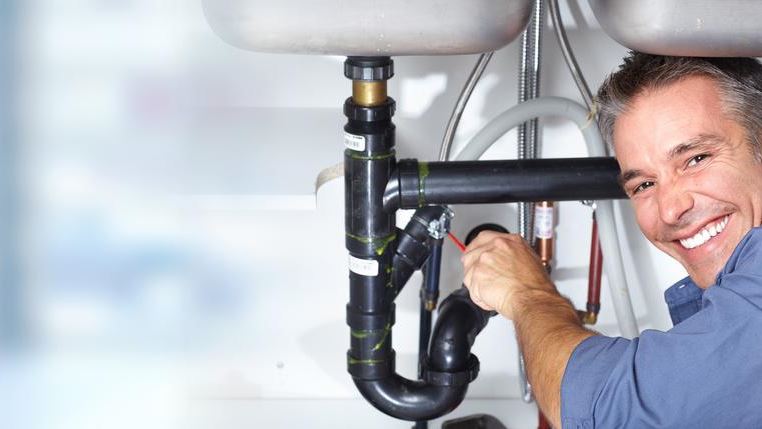
Blocked drainage systems are a common household nuisance that can cause significant inconvenience and potential damage if not addressed promptly. From hair buildup and grease to debris and foreign objects, various materials can obstruct drainage pipes, leading to slow draining or complete blockages. Identifying the cause and employing effective cleaning techniques are essential steps to restore proper flow and prevent future issues. This comprehensive guide aims to provide detailed strategies for clearing clogged drain pipes, whether in sinks, showers, or outdoor drains, ensuring smooth plumbing operation in your home or business.
One of the primary causes of drain blockages is the accumulation of hair strands, especially in bathroom sinks and showers. These strands tend to cling to the pipe walls or form masses that impede water flow. While surface-level removal of hair is straightforward with tweezers or a hand, removing hair lodged deeper within the pipe can be challenging. Often, it necessitates more hands-on approaches, such as removing the drain stopper or trap to access the interior lines. Proper removal techniques can prevent further buildup and ease the cleaning process.
For minor clogs, simple tools like a plunger are often the first line of defense. A sink plunger, when used correctly, generates suction that can dislodge obstructions and restore flow effectively. In cases where the sink plunger proves ineffective, a toilet plunger can serve as an alternative, thanks to its larger size and different shape, which can produce better suction on certain blockage types. Ensure the plunger seals completely around the drain to maximize pressure. When used properly, these tools can often resolve blockages without the need for chemicals or professional help.
If plungering doesn’t clear the blockage, chemical solutions such as drain dissolvers can be highly effective. These agents are formulated to break down organic matter, grease, and other common clogging substances. To use these solutions, first remove the drain stopper and pour a few drops of the dissolver into the pipe. Allow the solution to sit for the recommended amount of time, usually a few minutes, to work on dissolving the clog. Afterwards, rinse the pipe with plenty of hot water to flush out the debris. Regular use of dissolvers in preventive maintenance can help keep drains clear and reduce the frequency of major blockages.
Kitchen sinks are particularly susceptible to blockages caused by food debris, grease, soap scum, and accumulated grime. Clearing these requires slightly different techniques. Begin by sealing the drain’s opposite side with a wet cloth or rag to prevent water from bypassing the blockage. Prepare a bucket or large container to catch draining water, as kitchen sinks often have significant water accumulation during cleaning. Loosen the pipe connection, typically the P-trap, to drain out standing water. Once the water is drained, clean out the trap and pipes manually or with a cleaning brush. After reassembling the pipes, run hot water to flush remaining debris. Repeat the process if necessary to ensure the pipe is fully cleared.
A single clogged drain can disrupt the entire household plumbing system, leading to inconvenience, odors, or even water damage. To minimize such risks, it’s crucial to adopt preventive measures. Regularly inspecting and cleaning drain covers, strainers, and filters prevents larger particles from entering pipes. In bathrooms, install screens to catch hair, soap residue, and other objects that might cause obstructions. Avoid pouring grease or oil down kitchen drains, as these substances can solidify and create stubborn blockages. Periodic flushing with hot water and enzyme-based cleaners can help maintain clear pipes and prolong their lifespan.
Beyond routine maintenance, it’s advisable to be proactive in pipe care. For example, use natural or commercial enzyme cleaners every few months to break down organic buildup. Keep the sewer connection clear of debris or roots if you have outdoor drains, especially in areas prone to tree root intrusion. Professional inspection and cleaning may be necessary if recurrent clogs persist, as hidden pipes or pipe damage may be contributing factors. Recognizing signs such as slow draining, unpleasant odors, or gurgling sounds early can help prevent major plumbing crises and save costs in repairs.
Addressing clogged drain pipes involves a combination of immediate remedial actions and ongoing preventative strategies. While simple tools like plungers and chemical drain cleaners often suffice, knowing when to escalate to professional plumbing services is essential. Effective maintenance not only ensures your plumbing functions smoothly but also extends the lifespan of your entire piping system. By staying vigilant, practicing regular cleaning routines, and understanding the causes of blockages, you can maintain a healthy plumbing system that supports the comfort and convenience of your household or business establishment.