
Comprehensive Guide to Knee MRI Scans: What You Should Know
A detailed guide on knee MRI scans covering the purpose, procedure, safety considerations, and preparations. Learn how MRI helps diagnose knee conditions accurately, what to expect during and after the scan, and safety tips to ensure a smooth experience. This comprehensive article aims to clarify common concerns, highlight risks, and facilitate informed decisions for patients requiring knee imaging. Understand the importance of MRI in detecting injuries, degenerative diseases, tumors, and more, while emphasizing safety precautions for a worry-free diagnostic process.
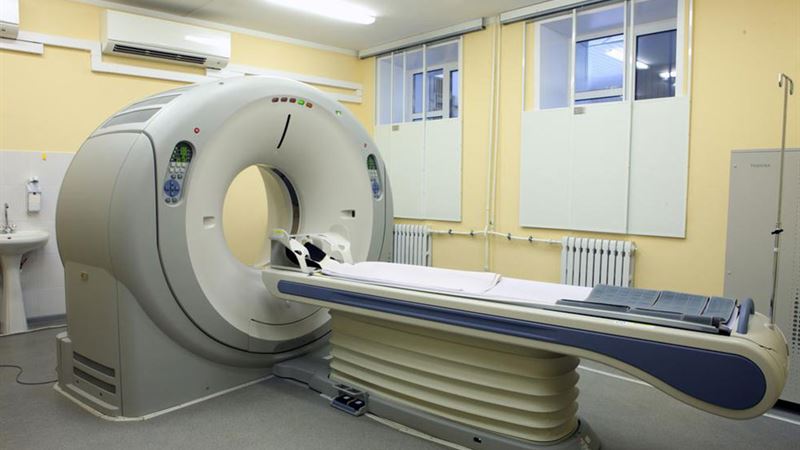
A knee MRI scan is a crucial diagnostic tool used by physicians to uncover a variety of knee joint issues. This non-invasive imaging technique provides detailed images of the soft tissues, bones, and other structures within the knee, helping healthcare professionals make accurate diagnoses and create effective treatment plans. Whether dealing with injuries, degenerative conditions, or abnormal growths, understanding the purpose, procedure, and safety considerations of a knee MRI can greatly enhance patient knowledge and comfort.
In this comprehensive guide, we will explore the essential aspects of knee MRI scans, including common conditions diagnosed through this method, the detailed procedure involved, potential risks and safety precautions, and what to expect before and after the scan. By gaining a thorough understanding, patients can approach their diagnosis with confidence and clarity.
Why a Knee MRI Is Recommended
Doctors often suggest a knee MRI scan when clinical examinations and X-rays do not provide sufficient information to comprehensively diagnose knee problems. MRI technology offers unparalleled detail of soft tissues such as ligaments, tendons, cartilage, and muscles, which are crucial in functional movement and stability. Some frequent reasons for ordering a knee MRI include:
- Degenerative joint conditions like osteoarthritis or rheumatoid arthritis
- Bone fractures that are not easily visible on X-rays
- Damage or tears in cartilage, ligaments, or tendons
- Accumulation of excess fluid (effusion) in the knee joint
- Presence of foreign objects or issues related to medical implants
- Tumors or abnormal tissue growths in or around the knee
- Injury sustained during sports or physical activity, including sprains and ligament tears
The MRI Procedure for the Knee
The process of undergoing a knee MRI is straightforward but requires patient cooperation for the most accurate results. Initially, the technician will help position the patient comfortably on the MRI table, ensuring that the knee is properly aligned with the magnetic imaging device. The patient must remain as still as possible during the scan to prevent blurring of the images.
The MRI machine uses a strong magnetic field and radio waves to generate detailed cross-sectional images of the knee. Some scans may involve the injection of contrast agents, such as gadolinium, to enhance the visibility of certain tissues or abnormalities. This contrast is typically administered intravenously and is safe for most patients but requires awareness of potential reactions.
During the scan, which usually lasts between 30 to 60 minutes, the patient may hear loud knocking or humming sounds, which is normal. Ear protection is often provided to reduce discomfort. Patients are advised to remain as still as possible to ensure high-quality images. In cases where patients experience anxiety, claustrophobia, or difficulty staying still, sedatives or anxiolytics might be administered under medical supervision.
Understanding the Risks of Knee MRI Scans
Generally, knee MRI scans are very safe and pose minimal risk when conducted following proper safety guidelines. The magnetic field used in MRI procedures is non-ionizing radiation, which does not cause radiation exposure like X-rays or CT scans. However, certain considerations are necessary for safety.
One critical point involves patients with implanted medical devices containing metal components, such as pacemakers, cochlear implants, or certain surgical clips. The strong magnetic field can interfere with or damage these devices, potentially causing malfunctions or harm. Patients should inform their healthcare provider of all implants or foreign metal objects beforehand.
Another aspect relates to contrast agents. Gadolinium-based contrast media are commonly used to improve imaging quality but can carry specific risks. High doses may lead to nephrogenic systemic fibrosis (NSF), a rare but serious condition affecting kidney function. Patients with impaired kidney health should undergo kidney function tests before receiving contrast.
Allergic reactions to contrast agents, although uncommon, are possible. Mild reactions such as rash, itching, or nausea can usually be managed with medication. Serious allergic responses are rare but require immediate attention.
It is particularly important for breastfeeding mothers to discuss timing with their healthcare providers because gadolinium can pass into breast milk, and recommendations often suggest waiting 24-48 hours before resuming feeding.
Preparing for Your Knee MRI
To ensure a smooth and effective MRI experience, patients should follow specific preparatory steps. These include:
- Informing the medical team about any allergies, recent surgeries, or health conditions.
- Providing details about any implants, devices, or metal fragments in the body.
- Following instructions on fasting if contrast agents are to be used.
- Wearing loose, comfortable clothing, preferably without metal fasteners or zippers.
- Removing jewelry, watches, and any metallic accessories before entering the MRI suite.
- If you experience claustrophobia or anxiety, discuss options with your doctor beforehand; sedation may be considered.
Post-Scan Considerations
After the MRI scan, patients can usually resume normal activities immediately unless sedatives or other medications were administered. If contrast agents were used, patients might be advised to hydrate well to help eliminate the substance from their bodies. Any mild side effects, such as itching or rash, should be reported to the healthcare provider.
Results from the MRI scan are typically reviewed by radiologists, and your doctor will discuss the findings and recommended treatment options in follow-up consultations. Depending on the results, further diagnostic procedures or specific treatments may be necessary.
Conclusion
A knee MRI scan is a powerful and safe diagnostic tool that provides in-depth images of the knee's internal structures, aiding in accurate diagnosis and effective treatment planning. Proper preparation, safety awareness, and understanding of the process can help patients undergo the procedure with confidence. If you experience knee pain, swelling, or instability, consult your healthcare provider about whether an MRI is appropriate for your condition. With the advances in imaging technology, early detection and targeted treatment of knee problems have become more accessible, leading to better clinical outcomes and faster recovery.