
Comprehensive Approaches to Managing and Treating Knee Pain
Discover comprehensive options for knee pain relief, including exercises, therapies, injections, and advanced surgical procedures. Learn how personalized treatment plans and modern innovations can help restore movement, ease discomfort, and prolong joint health. Stay informed about effective strategies to manage and prevent knee issues for a better quality of life.
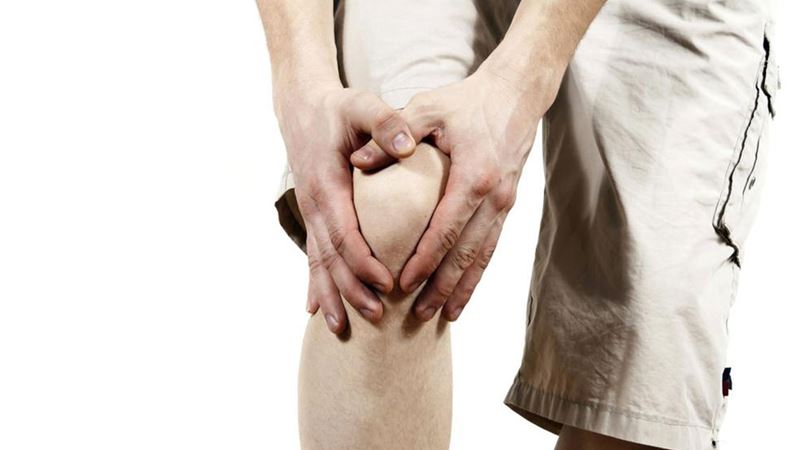
Experiencing persistent knee pain can significantly impact daily life and mobility. The causes of knee issues are diverse, stemming from injuries, chronic conditions, or degenerative diseases such as osteoarthritis and rheumatoid arthritis. Many individuals develop knee problems due to high-impact activities, sports, or even occupations demanding physical exertion. Injuries may result from direct trauma, twisting motions, falls, or overuse, often leading to immediate swelling, bruising, or severe discomfort. The knee's complex anatomy, which includes bones, cartilage, ligaments, tendons, and synovial fluid, makes it susceptible to various injuries and degenerative changes, especially with age or repetitive stress.
Addressing chronic knee pain requires a comprehensive treatment strategy tailored to the underlying cause. Proper diagnosis by healthcare professionals involves clinical examination, imaging tests like X-rays or MRI scans, and assessment of mobility and pain levels. The goal is to reduce pain, improve function, and prevent further deterioration of the joint. Treatments encompass medical, physical, and lifestyle interventions, often combined for optimal results. The subsequent sections explore the wide array of treatments available for knee pain, from conservative methods to surgical options.
**Therapeutic Interventions for Knee Pain: A Deep Dive**
Effective management of knee pain hinges on accurate diagnosis and a personalized approach. The intensity and cause of pain determine the appropriate treatment plan, which may include medications, physical therapy, surgical procedures, or lifestyle modifications. The following detailed overview highlights the various treatment modalities, their indications, and the advancements in orthopedic care aimed at restoring joint function and alleviating pain.
1. Structured Exercise Programs
Engaging in targeted exercises plays a crucial role in managing chronic knee conditions, especially osteoarthritis. Strengthening the muscles around the knee, particularly the quadriceps and hamstrings, provides better support to the joint and reduces undue stress. Regular, low-impact aerobic activities such as swimming, cycling, and walking can enhance joint flexibility, improve circulation, and reduce stiffness. Exercise also helps in maintaining a healthy weight, which directly alleviates pressure on the knee joint, thereby decreasing pain and slowing disease progression. Physical activity not only facilitates recovery but also reduces the likelihood of future injuries or surgeries.
2. Application of Cold and Heat Therapy
One of the simplest yet most effective home treatments involves the use of ice packs and heating pads. Cold therapy helps diminish inflammation, numb nerve endings, and reduce swelling post-injury or during flare-ups. Conversely, heat therapy relaxes tense muscles, improves blood flow, and eases stiffness in chronic conditions. Both modalities are used intermittently based on pain severity and specific symptoms. Proper application, typically 15-20 minutes per session, enhances comfort and supports recovery, especially when combined with other therapies.
3. Physical Rehabilitation and Physiotherapy
Professional physical therapy is vital for restoring mobility, strength, and stability in the knee joint. Therapists employ specialized exercises, manual therapy, and modalities like ultrasound or electrical stimulation to promote healing. Personalized rehabilitation programs are designed to improve flexibility, increase muscular support, and prevent future injuries. Guided rehabilitation is especially beneficial post-injury or surgery, ensuring optimal healing and return to daily activities with minimal pain.
4. Pharmacological Treatments
Medications are a cornerstone of knee pain management, addressing inflammation, swelling, and pain directly. Nonsteroidal anti-inflammatory drugs (NSAIDs), including ibuprofen and naproxen, are commonly prescribed to reduce inflammation. Analgesics like acetaminophen provide pain relief without anti-inflammatory effects. In cases of severe pain or inflammation, corticosteroid injections may be administered directly into the joint for rapid relief. These injections help control symptoms but should be used judiciously to prevent adverse effects like cartilage degeneration. Drug therapy is often combined with other treatments for comprehensive care.
5. Injectable Therapies
Injections play a vital role when oral medications alone are insufficient. Corticosteroid injections offer quick anti-inflammatory effects, alleviating pain and swelling for weeks or months. Hyaluronic acid injections, also known as viscosupplementation, aim to improve joint lubrication, reduce friction, and promote tissue repair. This procedure involves injecting gel-like substances into the knee joint, providing relief for osteoarthritis sufferers. Repeated injections can sometimes lead to cartilage deterioration, so medical supervision is critical. For some patients, regenerative therapies involving platelet-rich plasma (PRP) are also gaining popularity for their potential to foster tissue healing.
6. Surgical Interventions
Surgery is considered when conservative treatments fail to provide adequate relief or when joint damage is advanced. The most common surgical procedure is knee arthroplasty or knee replacement, which involves replacing damaged bone and cartilage with artificial components made of metal, plastic, or ceramic. This procedure significantly improves quality of life by reducing pain and restoring joint function. Other surgical options include osteotomy, which corrects misalignment by cutting and realigning the bones, and ligament repair or reconstruction, especially for traumatic injuries.
Minimally invasive techniques, notably arthroscopy, allow surgeons to view and treat intra-articular problems with small incisions. Arthroscopy is used to remove loose cartilage or repair torn menisci, helping delay the need for full knee replacement. Advances in minimally invasive surgery and regenerative medicine are continually expanding treatment options, aiming to preserve natural tissue and promote joint healing.
Emerging technologies in orthopedic surgery revolve around cartilage regeneration, resurfacing, and stem cell therapies. These innovations aim to repair damaged tissues, prolong joint lifespan, and delay or prevent the need for joint replacement. The choice of treatment is guided by the extent of joint damage, patient age, activity level, and overall health.
Overall, the landscape of knee pain management is constantly evolving, with new technologies and techniques offering hope for better outcomes and faster recovery. Accurate diagnosis, early intervention, and a multidisciplinary approach remain the pillars of effective treatment. Preventive strategies, including maintaining a healthy weight, staying active, and avoiding repetitive stress, are equally important in minimizing the risk of knee problems in the first place.