
Comprehensive Guide to Liquid Fertilizers: Types, Application Methods, Costs, and Benefits
This comprehensive guide explores the various types of liquid fertilizers, their application methods, costs, and benefits. Whether for lawns or garden beds, learning how to properly use these fertilizers can significantly boost plant health and soil vitality. From powders to concentrates and ready-to-use products, understanding their features helps gardeners and professionals optimize plant growth. Proper timing, application techniques, and soil considerations are emphasized, ensuring effective nutrient delivery. Discover how liquid fertilizers can transform your gardening experience with quick results and improved plant health.
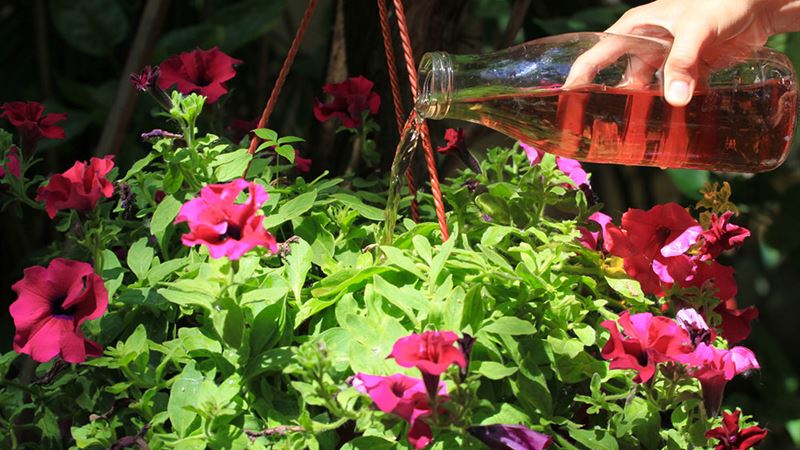
Liquid fertilizers have revolutionized modern gardening and lawn maintenance by offering a fast, efficient way to supply essential nutrients directly to plants. These fertilizers are highly versatile, easy to use, and can be tailored to meet the specific needs of various crops and turf. Whether you are a professional landscaper or a homeowner aiming for a lush, healthy lawn, understanding the different types of liquid fertilizers, their application techniques, associated costs, and benefits is crucial for achieving optimal growth and soil vitality.
In this extensive guide, we delve into the different categories of liquid fertilizers including water-soluble powders, concentrates, and premixed solutions. We explore how each type is produced, their benefits, and appropriate usage scenarios. Whether you prefer to mix fertilizers manually or utilize hose-end sprayers, we provide step-by-step instructions to ensure effective application. Additionally, we touch upon important considerations such as timing, soil conditions, and plant compatibility which influence fertilizer success.
Different Varieties of Liquid Fertilizers
Liquid fertilizers come in various forms, each suited to different gardening needs and preferences. Here’s a detailed overview of the main types:
- Water-soluble powders: These are dry, nutrient-rich powders that require dilution with water before application. They are ideal for small-scale gardening, container plants, or specific treatments since they allow precise control over nutrient concentration. Powder fertilizers are packaged in small quantities, making them convenient for targeted feeding rather than bulk application over large lawns.
- Concentrated liquid fertilizers: Often favored by professionals and advanced gardeners, concentrates are highly potent solutions that need to be diluted before use. They provide flexibility to adjust nutrient ratios, enabling tailored feeding programs based on soil tests and plant requirements. Concentrates are typically sold in larger containers, making them cost-effective for large-scale applications.
- Pre-mixed or ready-to-use formulations: These products come in convenient bottles with built-in applicators or hose-end sprayers. They are designed for quick, straightforward application—simply attach, turn on the water, and spray. Suitable for routine maintenance and novice gardeners, these formulations offer convenience without sacrificing effectiveness.
Step-by-Step Application Process
Applying liquid fertilizer correctly is vital to maximize benefits and avoid potential damage. Here is a comprehensive approach to ensure efficient and safe application:
- Preparation: Always read the manufacturer's instructions carefully. Prepare the fertilizer solution accurately, measuring ingredients as specified. For concentrates, dilute in water; for powders, mix until fully dissolved.
- Mixing and Equipment: Use clean tools and containers to prevent contamination. If using a hose-end sprayer, attach the nozzle securely to the garden hose. Ensure the solution is well mixed to avoid uneven nutrient distribution.
- Application technique: Begin spraying from the edges, working inward to prevent missed spots. Use light, even strokes to distribute the fertilizer across the entire target area. For lawns, maintain a consistent pace to ensure uniform coverage.
- Post-application care: After spraying, avoid heavy foot traffic until the fertilizer settles. Water the area lightly if recommended, especially during dry periods, to help nutrients penetrate the soil.
Important Considerations for Fertilizer Application
Correct timing and environmental conditions enhance fertilizer effectiveness. Keep these tips in mind:
- Optimal timing: Apply liquid fertilizers during the early morning or late evening when temperatures are cooler. This reduces evaporation and enhances nutrient uptake.
- Soil moisture: Ensure the soil is moist before application, as dry soil can hinder nutrient absorption. Light watering a day prior can boost effectiveness.
- Plant compatibility: Not all plants benefit equally from liquid fertilizers. Always verify that the chosen product is suitable for the specific species or lawn type.
- Weather conditions: Avoid applying close to heavy rains to prevent nutrient runoff, and steer clear of windy conditions to minimize spray drift.
Advantages of Using Liquid Fertilizers
Despite some complexity in their application, liquid fertilizers provide numerous benefits that make them a popular choice among gardeners and turf managers:
- Uniform nutrient delivery: The liquid medium allows for even distribution, ensuring that all plants or turf areas receive the same nutrient levels. This consistency promotes balanced growth and healthier plants.
- Rapid absorption and action: Liquid fertilizers penetrate plant tissues swiftly, providing immediate nourishment. This makes them ideal for correcting deficiencies or giving a quick boost before flowering or fruiting.
- Reduced nutrient loss: The liquid form enables nutrients like nitrogen to stay in a plant-accessible form, reducing leaching and volatilization. Loss rates are typically lower compared to granular fertilizers.
- Ease of application: Using hose-end sprayers or diluted solutions simplifies the process, saving time and labor. Application can be automated with irrigation systems for efficiency.
- Extended storage and versatility: Liquid fertilizers are stored in sealed containers, which are more stable and safer to handle. They can also be mixed with other nutrients or pesticides to create custom feeding solutions.
Cost Analysis and Budgeting
Pricing for liquid fertilizers varies based on factors such as formulation type, application size, and brand. Typically, lawn fertilization with liquid nutrients can range from approximately $150 to over $550 per season. Larger lawns or commercial projects may be more expensive, especially if professional services are involved.
DIY enthusiasts might find online retailers and local stores offer favorable prices, with the added advantage of choosing products that fit their specific needs. To mitigate costs further, consider purchasing fertilizers in bulk or through annual service packages from landscaping providers.
Final Thoughts
Liquid fertilizers offer a dynamic and effective method for promoting vigorous plant growth, enhancing soil health, and ensuring a vibrant landscape. Their quick action, ease of customization, and compatibility with modern irrigation systems make them a preferred option for gardeners seeking prompt and uniform results. While initial costs can be higher than traditional granular fertilizers, the efficiency and benefits often justify the investment, leading to better yields and healthier plants over time.