
Comprehensive Guide to Contact Lenses: Everything You Need to Know
This comprehensive guide covers everything about contact lenses, including types like RGP and disposable soft lenses, top brands like Biofinity Toric and Acuvue Moist, and common myths. Learn about their benefits, proper usage, and how to choose the right lenses for your needs. Expert advice on dispelling misconceptions ensures safe, comfortable, and healthy contact lens wear. Whether you're a new user or experienced wearer, this article provides valuable insights into maintaining optimal eye health while enjoying clear vision.
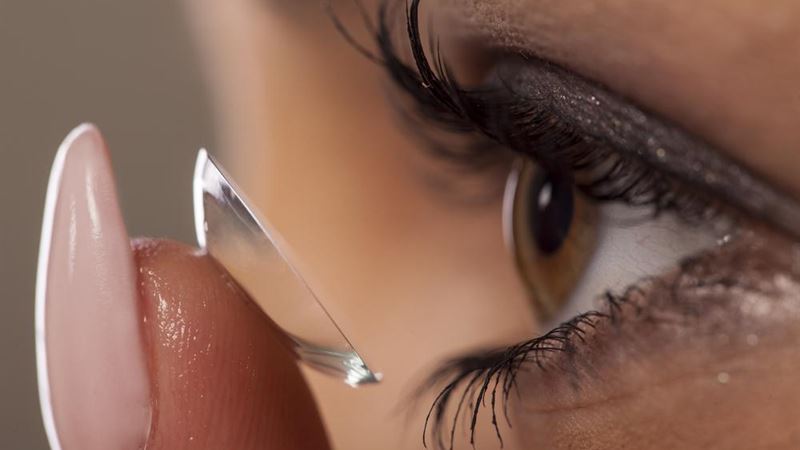
RGP lenses, also known as oxygen-permeable lenses, are crafted from specialized silicon acrylate materials that allow ample oxygen flow to the cornea. Unlike traditional hard lenses, RGPs are custom-made to fit each individual’s eye shape, covering approximately two-thirds of the cornea. Their design provides excellent clarity, durability, and a healthier ocular environment. Due to their breathability, RGP lenses are often recommended for individuals with complex prescriptions or those seeking long-term vision correction solutions. While initially more expensive, these lenses typically last several years with proper care, making them a cost-effective choice over time.
Among the most popular contact lenses available today are disposable soft contact lenses. Designed for daily or weekly use, these lenses are made from flexible hydrogel or silicone hydrogel materials that provide comfort and convenience. They are particularly suitable for individuals with busy lifestyles because they minimize maintenance; simply discard after their intended usage period. These lenses fit snugly on the eye surface, ensuring a natural feel and clear vision. The disposable nature reduces the risk of eye infections associated with lens buildup or improper cleaning. Their popularity stems from ease of use and the ability to enjoy fresh, hygienic lenses each day.
Marketed as an excellent alternative to traditional spectacles, contact lenses have revolutionized vision correction for millions worldwide. With countless options available, it’s vital to understand the features, benefits, and proper usage of different lens types. Below are additional popular contact lens models and their unique advantages.
Biofinity Toric Contact Lenses
Produced by CooperVision, Biofinity Toric lenses are specifically designed for individuals suffering from astigmatism. Comprising 52% of comfilcon material and 48% water content, these lenses utilize Aquaform technology to maintain optimal hydration and oxygen flow. Their advanced design ensures a secure fit, reducing lens rotation that can blur vision for astigmatic users. The lenses promote eye health by enhancing oxygen transmission and moisture retention, resulting in comfortable wear throughout the day. They are suitable for all eye shapes, providing stable, clear vision and minimizing dryness. Biospheric in design, these lenses help maintain a bright, healthy eye appearance.
Customers shopping online can often benefit from free shipping within their country, along with satisfaction guarantees and 24/7 customer support. This makes acquiring high-quality lenses more accessible and convenient.
Acuvue Moist
One of Johnson & Johnson’s flagship products, Acuvue Moist contact lenses are renowned for their moisture retention technology. Designed for everyday use, these lenses are lightly tinted to enhance visibility and ease of handling. The proprietary LACREON technology traps moisture within the lens material, ensuring the eyes stay refreshed and moist throughout the entire day, preventing dryness and irritation. Additionally, Acuvue Moist lenses offer effective protection against harmful ultraviolet rays by blocking approximately 82-97% of UV-A and UV-B rays, safeguarding eye health. Their hydrating properties make them ideal for individuals with sensitive eyes or those prone to dryness.
Wearing lenses that incorporate advanced moisture-locking and UV protection technologies ensures optimal visual clarity and eye comfort, especially for long hours of wear or active lifestyles. They continue to be a preferred choice among contact lens users worldwide.
Common Misconceptions About Contact Lenses
Despite their widespread popularity, many myths and misconceptions surround contact lenses. Dispelling these misunderstandings helps promote safe and effective use of these vision correction tools.
- Age Restrictions Are Necessary
There is no strict age limit for wearing contact lenses. Many children and elderly individuals successfully use lenses of various types, including bifocal or toric lenses, tailored to their specific needs. The key is consulting with an eye care professional to determine suitability and proper fitting. - Contact Lenses Cause Eye Health Problems
When used correctly, contact lenses actually enhance vision without harming your eyes. Most issues arise from improper handling, poor hygiene, or neglecting replacement schedules. Regular cleaning, timely replacement, and professional checkups significantly reduce risks. - Wearing Makeup and Contact Lenses Is Unsafe
Modern cosmetic brands now manufacture eye makeup that is compatible with contact lens wearers. It is recommended to apply eye makeup after inserting lenses to prevent contamination or accidental damage. Proper hygiene and removal of lenses before removing makeup further ensure safety. - Contact Lenses Can Get Lost Behind the Eye
This is a common myth. The eye's anatomy, specifically the conjunctiva membrane and eyelids, prevent lenses from slipping behind the eye. If a lens feels lost or uncomfortable, consult an eye care professional rather than worry about it getting lost behind the eye.
If you have additional questions or concerns about contact lenses, scheduling a consultation with an eye care specialist is the best course of action. They can provide personalized advice tailored to your vision needs and lifestyle requirements.