
Transform Your Appearance with Innovative Contact Lens Solutions
Explore the extensive world of contact lenses, from vision correction to cosmetic enhancements. Learn about different types, materials, durability options, and expert tips for choosing the best lenses. This comprehensive guide helps you make informed decisions to improve your eye health, comfort, and style, ensuring a perfect fit for your lifestyle. Stay updated with the latest in lens technology and enjoy clearer, more attractive eyes with expert advice and insights tailored for all users.
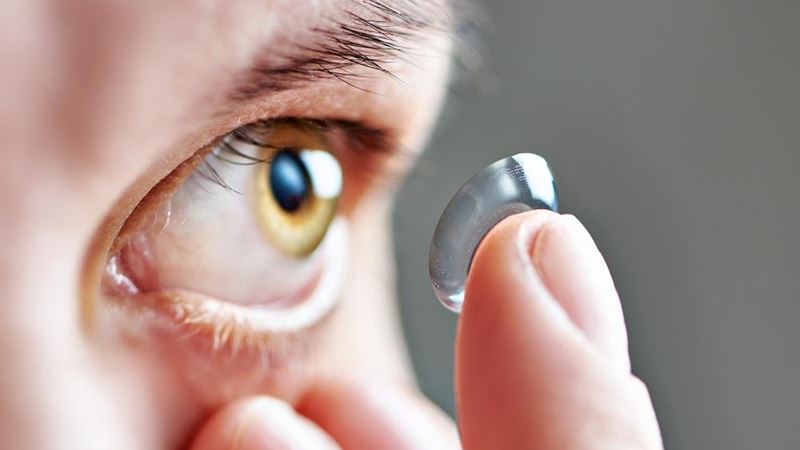
Contact lenses have revolutionized the way individuals enhance their visual acuity and aesthetic appeal. With a wide array of options available today, from corrective lenses to colored and specialized lenses, consumers can select products tailored to their specific needs. Whether you're seeking to improve vision, complement your style, or explore new eye-correcting technologies, understanding the different types of contact lenses is vital.
When considering contact lenses, numerous options are dictated by purpose, material, durability, and convenience. This comprehensive guide explores the varied categories of contact lenses, their features, benefits, and considerations to help you make an informed choice that best suits your lifestyle and vision needs. From traditional vision correction lenses to cutting-edge color-enhancing options, delve into the nuances of modern contact lenses.
First, let's examine the different types of contact lenses based on usage:
- Vision Correction Lenses: These lenses are specifically designed to correct refractive errors, including common issues such as myopia (nearsightedness), hypermetropia (farsightedness), astigmatism, and presbyopia (age-related difficulty focusing on near objects). They come in various designs, such as spherical, toric, varifocal, and monovision lenses, each tailored to address specific vision problems.
- Bifocal and Multifocal Lenses: Created for individuals with presbyopia, these lenses incorporate multiple focal points within a single lens, allowing clear vision at different distances. They eliminate the need for multiple pairs of glasses by providing a seamless correction for near and far vision during daily activities.
- Monovision Contact Lenses: Designed for users with one eye corrected for distance and the other for near vision, monovision lenses are an effective alternative for presbyopia correction. They are especially useful for those who prefer contact lenses over reading glasses or multifocal lenses.
- Color Blindness and Special Lenses: Although less common, lenses such as X-Chrom lenses help individuals with color blindness to distinguish between certain hues. These lenses aren’t a cure but can enhance color perception and differentiate shades, also aiding those with night blindness.
Next, understanding the material composition of contact lenses is crucial:
- Hard Lenses: Traditionally made from rigid materials like plexiglass, these lenses initially faced issues for not permitting adequate oxygen flow to the cornea. Modern hard lenses are now made from rigid gas-permeable materials, significantly improving oxygen transmission, durability, and clarity. These lenses are suitable for certain vision problems and require a period of adjustment.
- Soft Lenses: Manufactured from water-containing plastic materials, soft lenses are popular due to their comfort, ease of use, and ability to allow oxygen to pass through, reducing discomfort and the risk of eye diseases. They are highly versatile and widely used for general vision correction and cosmetic purposes.
- Hybrid Lenses: Combining features of both hard and soft lenses, hybrid lenses consist of a rigid gas-permeable center surrounded by a soft skirt. This design offers the sharp vision of rigid lenses with the comfort of soft lenses, making them a suitable choice for specific complex cases.
Determining the longevity and replacement schedule of contact lenses is another essential aspect:
- Extended Wear Lenses: Designed for continuous wear, these lenses can be worn over extended periods, sometimes up to a month, but require regular monitoring by an eye care professional.
- Daily Disposable Lenses: Intended for single-use, these lenses offer maximum hygiene and convenience, eliminating the need for cleaning and storage. They are ideal for travelers or those with sensitive eyes.
- Weekly/Monthly Disposables: These lenses are used for a defined period—from one week to one month. Proper cleaning with recommended solutions is crucial to prevent infections and maintain eye health.
Proper selection of contact lenses involves consulting an eye care specialist. An ophthalmologist can perform a detailed eye examination, measure your eyes meticulously, and recommend the most suitable lens type, material, and replacement schedule. For aesthetic purposes, choosing the right color and size of colored contact lenses is equally important to ensure comfort and a natural appearance. Prioritize high-quality materials and brands to avoid potential eye injuries or infections.
In conclusion, modern contact lenses offer an incredible fusion of technology, comfort, and style. Staying informed about the various options enables you to select lenses that match your vision correction needs, lifestyle, and aesthetic preferences. Regular eye checkups and proper lens hygiene are crucial to maintaining healthy eyes and enjoying the benefits of your chosen lenses to the fullest.
Embrace the transformative power of contact lenses—whether for vision correction or fashion—to boost your confidence and redefine your look with innovative, comfortable, and safe options available today.