
Comprehensive Guide to HIV Testing: What You Need to Know
This comprehensive guide provides detailed information on HIV testing, emphasizing the importance of regular screening, the testing procedures involved, and available methods such as home kits and clinic-based tests. Early detection through accurate testing is key to managing health, preventing transmission, and accessing timely medical support. High-accuracy kits like OraQuick and Clearview are convenient options for private testing, while professional clinics ensure confidentiality and comprehensive care. Understanding your HIV status empowers you to make informed decisions and take proactive steps toward health and safety.
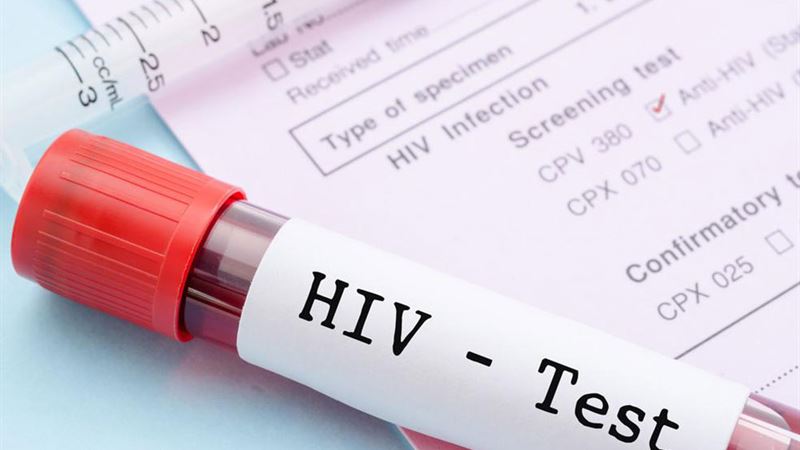
Understanding your HIV status is a crucial step toward maintaining your health and preventing the spread of this virus. Regular HIV testing not only allows early detection but also facilitates timely medical intervention, which can significantly improve health outcomes even though there is no definitive cure for AIDS. By knowing your status, you can make informed decisions about your lifestyle, partners, and future health planning. Furthermore, staying informed helps prevent unknowingly transmitting the virus to others, thereby controlling the epidemic more effectively.
What Does HIV Testing Entail?
HIV testing involves a series of medical procedures designed to determine whether an individual has been infected with the human immunodeficiency virus. These tests detect the presence of either HIV antibodies, antigens, or both, in a blood or oral fluid sample. Identifying these markers allows healthcare providers to confirm whether a person is infected with HIV or not. Accurate and early detection through testing is vital in managing health and taking appropriate actions to prevent further transmission.
The process of HIV testing generally follows three primary steps:
- Detection of HIV antigens, which are parts of the virus itself, usually present during early infection.
- Detection of antibodies produced by the immune system in response to HIV.
- Simultaneous testing for both antigens and antibodies to increase the accuracy and reliability of results.
When someone receives a positive result, confirmatory testing is mandatory to eliminate chances of false positives and to ensure diagnosis accuracy. People with negative results are typically advised to continue regular screening, especially if they are at ongoing risk. Advances in medical technology have made HIV testing more accessible and convenient. Nowadays, numerous highly reliable home testing kits are widely available, allowing individuals to check their status privately and comfortably at home.
Among these, the OraQuick In-Home HIV Test is one of the most popular options, providing quick results with ease of use. Similarly, the Clearview Complete HIV ½ Test Kit is well regarded for its high accuracy. Besides home kits, consulting a healthcare professional remains a highly recommended approach, especially for confirmatory testing, counseling, and ongoing support. Clinics like The Davis Clinic, AIDS Healthcare Foundation, and other reputable healthcare centers prioritize confidentiality and compassionate care, ensuring that your results are handled with the utmost discretion. Regardless of your results, early detection allows you to access treatment options promptly, manage your health effectively, and reduce the likelihood of transmitting the virus to others. If you’re considering getting tested, do not hesitate—taking that first step is important for your health and the health of those around you.