
Comprehensive Guide to Contact Lenses: Essential Information Before Use
This detailed guide explores the history, types, usage, safety tips, and top brands of contact lenses. Discover essential information about lens materials like rigid, soft, silicone hydrogel, and scleral designs. Learn about proper wearing durations, precautions, and when to consult your eye doctor to maintain eye health. Whether you're new to contacts or seeking advanced options, this comprehensive overview helps you make informed decisions. Find out how to wear lenses safely during daily activities and choose high-quality brands for comfortable vision correction, ensuring your eyes stay healthy and irritation-free.
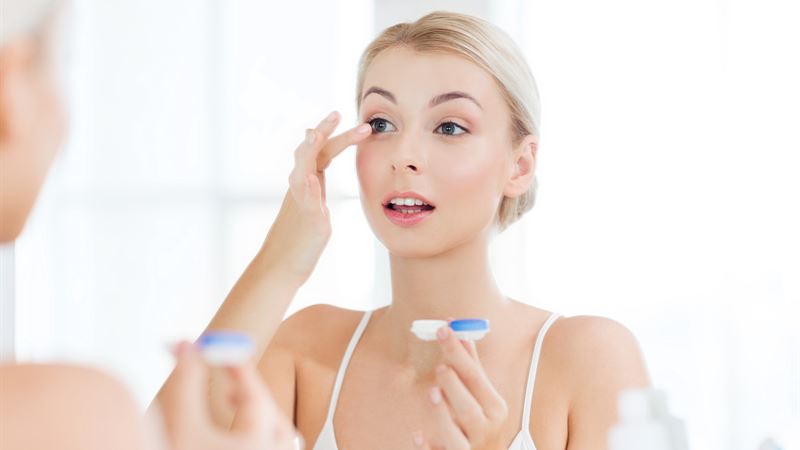
- Rigid Gas-Permeable Lenses: These were among the earliest types of contact lenses manufactured from hard plastic materials during the 1940s. Primarily made from polymethyl methacrylate (PMMA), these lenses were first designed to correct vision but posed a challenge due to limited oxygen permeability, leading to discomfort and potential eye health issues. Over time, technological advancements led to the development of rigid gas-permeable (GP) lenses in the 1970s that allowed more oxygen passage, enhancing comfort and eye health. Rigid lenses are lightweight, durable, and offer crisp vision, making them a preferred choice for certain conditions. Despite their rigidity, many wearers find these lenses comfortable once accustomed to them.
- Soft Contact Lenses: Innovated in the early 1970s, soft contact lenses revolutionized vision correction by using flexible plastic materials like hydroxyethyl methacrylate (HEMA). These lenses are capable of absorbing water, which allows them to mold comfortably over the curved surface of the eye (the cornea). Soft lenses are highly popular due to their ease of use, comfort, and availability in various prescriptions. They adapt quickly to the eye and are suitable for a wide range of users, including those with irregular corneas or specific refractive errors. Their flexibility makes them an excellent solution for everyday wear, sports, and active lifestyles.
- Disposable Contact Lenses: Emerging in the late 1980s, disposable contact lenses became a game-changer by offering convenience, hygiene, and reduced maintenance. Designed for short-term use—ranging from daily wear to lenses meant for specific periods like weekly or monthly—disposable lenses allow users to replace the lenses regularly, reducing the risk of infections and deposits buildup. Daily disposables are especially popular for convenience and minimal care requirements. These lenses provide a fresh, clean visual experience each day, making them a preferred option for many users seeking simplicity and safety.
- Silicone Hydrogel Lenses: An advancement over traditional soft lenses, silicone hydrogel lenses, introduced in the early 2000s, are made from silicone-based plastics that significantly improve oxygen permeability. This innovation allows more oxygen to reach the cornea, promoting better eye health and reducing the risk of hypoxia. Silicone lenses are also wettable, resisting dryness and irritation, thereby enhancing comfort for long hours of wear. They are suitable for extended and continuous wear schedules, making them an excellent choice for users seeking convenience without compromising eye health.
- Scleral Contact Lenses: Among the most sophisticated types of lenses, scleral lenses are large-diameter gas-permeable devices designed using advanced computer-aided manufacturing processes. These lenses vault over the cornea and rest on the sclera (the white part of the eye), creating a fluid-filled reservoir that provides a smooth optical surface. Considered highly comfortable, especially for irregular corneas, keratoconus, or severe dry eye syndrome, scleral lenses offer unparalleled comfort and clarity. Their custom design and manufacturing process make them ideal for complex cases where standard lenses fall short.
How Long Can You Wear Contact Lenses?
- The duration of wear varies based on the type of contact lens used and personal eye health. Always follow your eye care professional’s recommendations and the manufacturer's instructions to maintain eye health and prevent complications.
- Daily wear lenses typically allow for up to 16 hours of comfortable use in a day. However, exceeding this duration can increase risks such as hypoxia and irritation.
- Avoid wearing contact lenses overnight unless specifically designed for extended or continuous use and approved by your eye care provider. Sleeping with lenses intended for daily use can lead to serious eye infections.
- If you are new to contact lenses, gradually increasing wearing time can help your eyes adapt comfortably, reducing discomfort and risk of adverse effects.
Is Wearing Contact Lenses Detrimental to Eye Health?
- When used correctly, contact lenses are generally safe and effective for vision correction. However, improper use or overuse can cause damage, infections, and other complications.
- Always consult an eye care specialist before starting to wear contact lenses, especially if you have pre-existing eye conditions or sensitivities.
- Adhere strictly to the prescribed wearing schedule, cleaning routines, and replacement guidelines to minimize risks of infections like keratitis.
- Invest in high-quality lenses that meet safety standards for comfort and durability.
- Regular eye check-ups are vital to monitor eye health and ensure your lenses are fitting properly.
Can You Shower or Swim with Contact Lenses?
- It is advisable to remove contact lenses before showering or swimming to prevent exposure to water, which can harbor bacteria and other pathogens leading to eye infections.
- If you choose to keep lenses in during a shower, consider using daily disposable lenses and minimize water contact. Rinse your lenses with appropriate lens solution afterward and avoid exposing them to pool or ocean water.
- Never sleep with contact lenses in water or while swimming, as this significantly increases infection risk.
- Proper lens hygiene and avoiding water contact are crucial to maintaining eye safety while enjoying aquatic activities.
Top Brands for Contact Lenses You Can Trust
- ACUVUE®: A leader in the industry, known for its reliable, comfortable, and innovative contact lens products.
- DAILIES®: Recognized for their single-use daily disposable lenses that prioritize hygiene and convenience.
- AIR OPTIX®: Offers advanced silicone hydrogel lenses suitable for extended wear and all-day comfort.
- SofLens: Known for durability and clear vision, suitable for various vision correction needs.
- Biofinity®: A premium brand offering breathable lenses designed for long-term comfort and eye health.
- Bauch & Lomb: Known for oxygen-permeable lenses that support healthy eyes.
- Aqualens: Popular for affordability and quality, providing a wide range of corrective lenses.
Whether you are considering switching to contact lenses or are a new wearer, exploring reputable brands and understanding proper usage is essential. Consulting with an eye care professional ensures you choose the best lenses suited to your eyes and lifestyle, promoting comfort, safety, and optimal vision health for years to come.