
Creative and Practical Uses of Flowers in Daily Life
Discover the remarkable versatility of flowers including their culinary uses, natural pest management, health benefits through teas and hydrosols, and eco-friendly gardening tips. This comprehensive guide shows how to incorporate flowers into daily life for sustainability, wellness, and beauty.
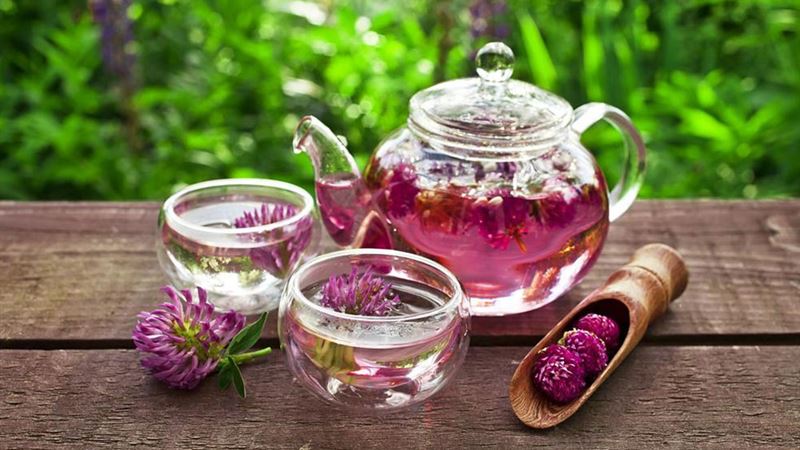
Enhancing Culinary Creations with Edible Flowers
In recent years, edible flowers have gained popularity for their ability to beautify dishes and add unique flavors. They’re often used as garnish, incorporated into salads, infused into syrups, or used as decorative elements for desserts and drinks. Flowers such as Chrysanthemums, Day lilies, Lavender, and Roses are among the most popular choices due to their appealing aesthetics and subtle flavors. For example, lavender offers a sweet, fragrant addition to baked goods and beverages, while roses can be used to make rosewater or infused into teas. Chrysanthemums provide slightly bitter, earthy notes that complement Asian dishes and salads.
If you want to grow edible flowers at home, consider selecting varieties suited to your local climate and garden space. Growing these flowers not only ensures freshness and safety but also allows you to experiment with different recipes, creating an array of culinary delights. Always ensure the flowers you cultivate are free from pesticides and chemicals, focusing on organic practices for optimal health benefits.
Cooking with edible flowers provides a nutritious boost thanks to their antioxidants, vitamins, and minerals. Incorporate them into your diet to enjoy their health advantages alongside their visual appeal. To integrate edible flowers seamlessly into your meals, try making floral salads, aromatic teas, or decorating cakes and pastries with fresh blooms.
Natural Pest Management Using Flowers
Many flowers harbor natural properties that can help manage pests organically, reducing the need for synthetic chemical sprays. For gardeners seeking eco-friendly pest control methods, certain flowers serve as natural repellents for common pests.
- Borage (Starflower): Known for deterring hornworms and cabbage worms, Borage is beneficial for vegetable gardens. It also promotes disease resistance in plants, making it an excellent companion plant.
- Chrysanthemums: Contain pyrethrin, a natural insecticide effective against a variety of pests. Pyrethrin is considered safe for humans and pets when used appropriately.
- Lavender: Its aromatic scent repels moths, fleas, and mosquitoes. Lavender is a great addition to gardens as a natural pest deterrent and also attracts pollinators like bees and butterflies.
- Marigolds: Known for repelling whiteflies, nematodes, and even some beetles. Marigolds also contribute to soil health by releasing beneficial compounds that suppress soil-borne pathogens.
Incorporating these flowers into your garden can serve dual purposes—adding beauty while naturally protecting your plants from harmful pests. This environmentally friendly approach can lead to healthier crops and reduce reliance on chemical pesticides, promoting a sustainable gardening environment.
Floral Teas: A Delicious and Health-Boosting Beverage
Flowers have long been used in traditional medicine and culinary practices, especially in teas. Blooming or flowering teas are crafted by bundling dried flowers with tea leaves, creating visually stunning infusions that offer various health benefits. The delicate presentation enhances the tea-drinking experience while providing nutritional and medicinal properties.
Popular floral teas include jasmine, chrysanthemum, lily, and rose. Jasmine tea, for example, is celebrated for its ability to strengthen the immune system and reduce blood sugar levels, making it a healthy beverage choice. Chrysanthemum tea contains antioxidants, promoting skin health, reducing inflammation, and supporting cardiovascular health. Lily-based teas are traditionally used to alleviate insomnia due to their calming effects, providing restful sleep for those who drink them regularly.
In addition to their calming and health-promoting effects, floral teas are rich in antioxidants, which help combat free radicals and may reduce the risk of chronic diseases like cancer. They also have anti-inflammatory properties, support metabolism, and can improve mental clarity and focus. Drinking a cup of floral tea not only offers hydration but also nourishes your skin and boosts overall vitality.
Making floral tea at home is simple, requiring dried flowers, boiling water, and a few minutes of steeping. Experimenting with different flower blends allows you to customize flavors and health benefits according to your preferences. Introducing floral teas into your daily routine can be an easy step toward a healthier lifestyle.
Hydrosols: Artisanal Flower Waters for Skincare and Aromatherapy
Hydrosols, also known as flower waters, are aromatic waters produced during the steam distillation of plant materials. They share many properties with essential oils but are much less concentrated, making them gentle and suitable for topical application and aromatic use. Hydrosols carry the essence of flowers, providing a soothing sensory experience and numerous skincare benefits.
Commonly used hydrosols include rosewater, jasmine water, lavender, chamomile, and catnip. Rose hydrosol, for example, is renowned for its hydrating, anti-inflammatory, and toning properties, making it excellent for refreshing facial skin, calming irritation, and balancing oil production. Jasmine hydrosol offers relaxing aromatherapy effects, reduces skin redness, and enhances mood. Lavender hydrosol possesses antibacterial and healing properties, ideal for minor skin irritations and insect bites.
These flower waters are incredibly versatile and can be used in various ways:
- Facial sprays: Refresh and hydrate your skin throughout the day.
- Body mist: Relax and invigorate your body with aromatic scents.
- Hair spritz: Add shine and fragrance while calming scalp irritation.
- After-shave and post-wash: Soothe skin after shaving or cleansing.
- Air and linen fresheners: Infuse your environment with calming floral aromas.
Hydrosols are simple to produce at home with proper distillation equipment or can be purchased from reputable sources. Growing your own flowers for hydrosol making ensures purity and sustainability. Regular use of floral waters can improve your skincare routine, lift your mood, and create a relaxing atmosphere in your home.
Conclusion: Embracing the Multifaceted Uses of Flowers
Flowers are much more than ornamental plants—they are versatile resources that can enrich your health, environment, and culinary adventures. Cultivating edible flowers allows you to incorporate fresh, toxin-free ingredients into your diet. Using flowers for natural pest control supports eco-friendly gardening practices. Floral teas offer both enjoyment and health benefits, while hydrosols provide gentle, aromatic solutions for skincare and wellness. Embracing these diverse applications of flowers can lead to a more sustainable, healthy, and aesthetically pleasing lifestyle. Whether you grow, harvest, or craft products from flowers, their potential to improve your quality of life is remarkable and worth exploring.