
Comprehensive Guide to Recognizing and Managing Psoriasis in Older Adults
This detailed guide explores psoriasis in seniors, highlighting its signs, gender-specific considerations, and holistic management strategies. Emphasizing personalized care, it aims to help healthcare providers and caregivers improve diagnosis and treatment outcomes for elderly patients, enhancing their quality of life and reducing complications associated with psoriasis.
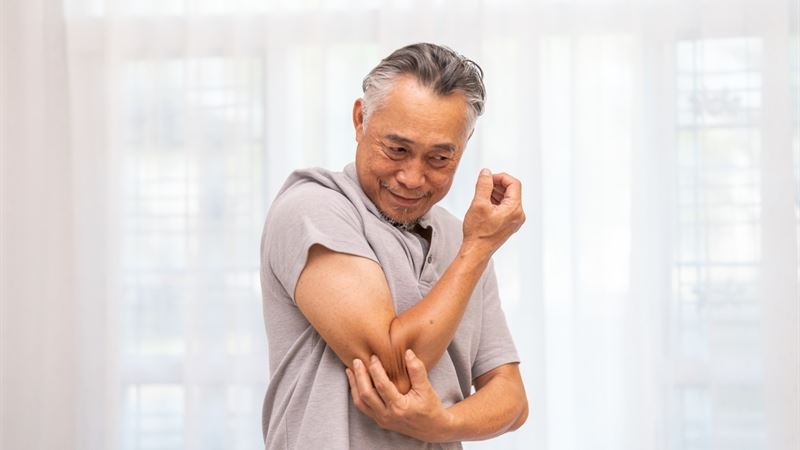
Identifying Psoriasis in the Elderly: Key Signs and Visual Cues
Psoriasis, particularly plaque psoriasis, tends to present differently in older adults compared to younger individuals. Clinicians and caregivers should be vigilant to recognize its symptoms early, as early detection can significantly impact treatment outcomes. In seniors, plaques typically appear as raised, reddish patches covered with a silvery-white scale. These lesions most commonly develop on areas such as the elbows, knees, lower back, and scalp. However, due to age-related skin thinning and changes in the immune response, psoriasis in older adults can sometimes appear in less typical locations, such as behind the ears, on the eyelids, or on the genital area.
The severity of psoriasis can vary widely among elderly patients. Severe cases may involve extensive scaling, redness, cracking, and discomfort, which can impair daily activities and lead to secondary infections if not managed properly. Lesions might also be more fragile due to skin thinning, increasing the risk of bleeding and injury. Visual differences in elderly skin—such as increased fragility and reduced elasticity—can influence the appearance and progression of psoriasis.
Gender-Specific Aspects of Psoriasis in Older Women
Elderly women often experience psoriasis differently than men, partly due to hormonal fluctuations occurring during menopause, which can influence immune system function and skin health. Postmenopausal hormonal changes may lead to increased skin dryness, sensitivity, and susceptibility to irritation. Additionally, women may face more significant psychological impacts because skin appearance can heavily influence self-esteem and social interactions.
Existing autoimmune conditions that coexist with psoriasis, such as rheumatoid arthritis or thyroid disorders, may be more prevalent in older women, complicating treatment plans. It's vital for healthcare professionals to consider these hormonal and comorbid factors to tailor effective, compassionate care strategies for women in this age group.
Effective Strategies for Managing Plaque Psoriasis in the Elderly
Management of psoriasis in seniors requires an integrated approach that combines medical treatment with lifestyle modifications. Given the sensitivity of aged skin, treatments should be gentle, effective, and personalized. Below are key strategies to control and improve psoriasis symptoms in the elderly.
1. Skin Hydration and Moisturization
Consistent application of emollients and moisturizers is foundational in managing psoriasis. These products help restore the skin’s barrier, reduce dryness, and minimize scaling. It’s advisable to choose fragrance-free, hypoallergenic formulations to prevent irritation. Regular moisture application can also decrease itching and discomfort, enabling seniors to maintain better skin integrity.
2. Nutritional Support and Dietary Measures
A balanced diet rich in anti-inflammatory foods supports overall skin health and can help reduce psoriasis flare-ups. Incorporating fruits, vegetables, whole grains, and omega-3 fatty acids—found abundantly in fatty fish like salmon and mackerel—may alleviate inflammation. Proper nutrition also aids in boosting immune function, which is particularly vital for elderly patients battling multiple health concerns.
3. Stress Reduction Techniques
Psychological stress is a known trigger for psoriasis exacerbations. Implementing stress management practices such as yoga, mindfulness meditation, breathing exercises, or engaging in enjoyable activities can significantly reduce flare-ups. Encouraging social interaction and mental health support is equally important, especially in isolated or depressed seniors.
4. Safe Sun Exposure
Moderate sunlight can have therapeutic effects, as ultraviolet (UV) rays diminish skin inflammation and slow keratinocyte proliferation. However, elderly patients should be cautious to avoid sunburn and skin damage. Applying broad-spectrum sunscreens and limiting sun exposure during peak hours are prudent measures. Consulting with healthcare providers about controlled phototherapy options can also be beneficial for severe cases.
5. Topical and Systemic Therapies
Depending on the severity, topical treatments like corticosteroids, vitamin D analogs, or coal tar preparations may be prescribed. For more severe or resistant cases, systemic therapies such as biologics or immunosuppressants could be necessary, although careful consideration of side effects and drug interactions is essential in older adults. Healthcare providers should regularly monitor treatment efficacy and safety, adjusting protocols as needed.
Handling and Interpreting Visual Evidence of Psoriasis
Photographs and visual references can be educational tools for understanding psoriasis, but they are not substitutes for professional diagnosis. Elderly skin often shows distinctive features—thinner, more fragile, and more prone to infections—making visual cues subtly different from those seen in younger individuals. It is essential for seniors and caregivers to seek medical evaluation rather than self-diagnose based solely on images.
Always consult dermatologists or healthcare professionals for accurate diagnosis and tailored treatment. Misdiagnosis or delayed treatment can lead to worsening symptoms and complications such as secondary infections or emotional distress.
Personalized Care and Ongoing Monitoring
Managing psoriasis effectively in the elderly requires a proactive, personalized care plan—taking into account existing health conditions, medication sensitivities, and skin type. Regular follow-up appointments are crucial to assess treatment response and address any side effects promptly. Education about skin care, trigger avoidance, and healthy lifestyle habits empowers seniors to maintain control over their condition.
Caregivers play a pivotal role in ensuring adherence to treatment protocols, maintaining skin hydration, and providing psychological support. A multidisciplinary approach involving dermatologists, primary care physicians, nutritionists, and mental health professionals fosters comprehensive care, improving overall outcomes for elderly patients with psoriasis.
Conclusion: Improving Life Quality Through Informed Care
Understanding how psoriasis manifests in older adults, especially women, is critical for early detection and effective management. Combining gentle skincare, nutritional support, stress management, and medical therapies tailored to individual needs can significantly reduce symptoms and improve life quality. Given the complexities associated with aging skin, healthcare professionals must adopt empathetic, informed strategies to help seniors navigate this chronic condition. With timely, personalized care, elderly patients can lead comfortable, active lives despite their psoriasis diagnosis.