
Comprehensive Guide to Modern Water Heaters: Types, Technologies, and How to Choose the Right One
Explore the comprehensive guide to modern water heaters, including types like tankless, heat pump, solar, and condensing systems. Learn how to choose the best option for residential, commercial, or industrial needs, focusing on efficiency, cost, and environmental benefits to ensure reliable hot water supply and energy savings.
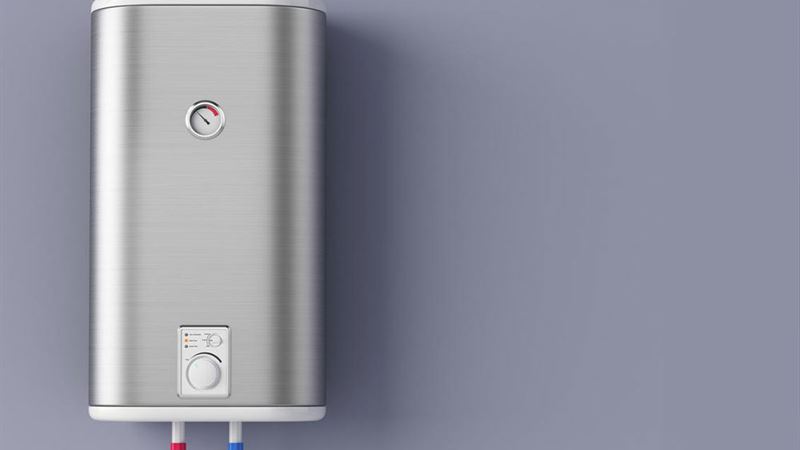
Understanding the Different Types of Water Heaters
When choosing a water heating system, it's essential to explore the various available options. The primary types include tankless water heaters, heat pump or hybrid systems, solar-powered units, and condensing water heaters. Each type offers unique features, benefits, and limitations, making them suitable for different settings and user requirements.
- Tankless Water Heaters: Also known as on-demand water heaters, tankless units heat water directly as it flows through the system, eliminating the need for a storage tank. This design allows for continuous hot water supply and minimizes energy losses typical of stored water systems. Due to their compact size, tankless water heaters can be mounted on walls, saving valuable space. They are particularly appreciated in homes and condominiums with limited space and those seeking efficient, on-demand hot water. The high efficiency, achieving up to 80% thermal efficiency rates, and reduced standby energy losses make tankless systems increasingly popular despite their higher upfront costs.
- Heat Pump or Hybrid Water Heaters: These systems leverage ambient heat from the environment—air, ground, or water—to warm the water. Using heat pump technology, these units extract heat from their surroundings and transfer it to the water in a highly efficient way. They are especially effective in warm climates or well-insulated indoor environments where the temperature at the installation site stays within the recommended range of 40 to 90 degrees Fahrenheit. Hybrid systems combine traditional electric heating elements with heat pump technology, providing efficient heating with backup capabilities. They consume approximately 60% less energy compared to conventional electric water heaters, making them an eco-friendly and cost-effective choice for eco-conscious consumers.
- Solar Water Heating Systems: Harnessing the power of the sun, solar water heaters utilize solar collectors installed on rooftops to capture sunlight and convert it into heat to warm water. These systems often include storage tanks and are supplemented with backup heating methods—either electric or gas—to ensure hot water availability during cloudy days or nighttime. Solar water heaters are most advantageous in areas with abundant sunlight and can significantly decrease reliance on non-renewable energy sources. Although the initial installation cost is higher than conventional systems, the long-term energy savings and environmental benefits are substantial. They are most ideal for large-scale commercial and industrial applications, particularly in sunny regions where extensive hot water needs exist.
- Condensing Water Heaters: Designed primarily for high-demand scenarios, condensing water heaters use the exhaust gases from the combustion process to preheat incoming cold water, thereby improving efficiency. These units resemble traditional tank water heaters but feature a secondary heat exchanger that captures heat from the flue gases before venting them outside. With capacities typically starting at about 55 gallons, condensing heaters are suitable for large households, hotels, hospitals, or industrial processes that require steady and substantial hot water supplies. Their ability to harness waste heat significantly reduces energy consumption, making them a preferred choice for energy-conscious facilities.
Key Factors in Selecting the Ideal Water Heating System
Choosing the right water heater involves evaluating several factors beyond technology type. These include the household or facility's hot water demand, energy efficiency goals, available space, installation costs, and long-term operational expenses. Additionally, environmental considerations, such as the desire to reduce carbon footprint, play a crucial role in decision-making.
For residences, compact and efficient tankless or hybrid models are often preferred due to space and cost considerations. Larger commercial or industrial entities typically lean towards condensing or solar systems that can handle higher volumetric needs while aligning with sustainability initiatives.
The importance of selecting a reliable, long-lasting unit cannot be overstated. Well-maintained water heaters can provide strong performance over many years, avoiding costly repairs and replacements. When in doubt, consulting with a professional installer or energy specialist can guide you toward the optimal solution tailored to your specific requirements.
Conclusion
Modern water heating technology offers a spectrum of options that cater to diverse needs, environmental goals, and budgets. From instant on-demand tankless systems to sustainable solar solutions, there's a perfect match for every application. Understanding the operational modes, efficiency ratings, and appropriate sizing ensures you select a system that provides reliable hot water supply while minimizing energy consumption and environmental impact. Investing in the right water heater not only enhances comfort and convenience but also contributes significantly to long-term savings and sustainability goals.