
Comprehensive Guide to Orthotic Devices: Types, Functions, and Advances
This comprehensive guide explores the types, functions, and recent advancements in orthotic devices. From supportive functional orthotics correcting biomechanical issues to accommodative options alleviating mild deformities and cognitive orthotics improving mental function support, learn how these devices improve mobility, stability, and independence. Discover the latest technological innovations enhancing patient care and rehabilitation outcomes, making orthotics an essential part of modern medical treatment. Perfect for healthcare professionals, patients, and caregivers seeking detailed understanding of orthotic solutions for various conditions.
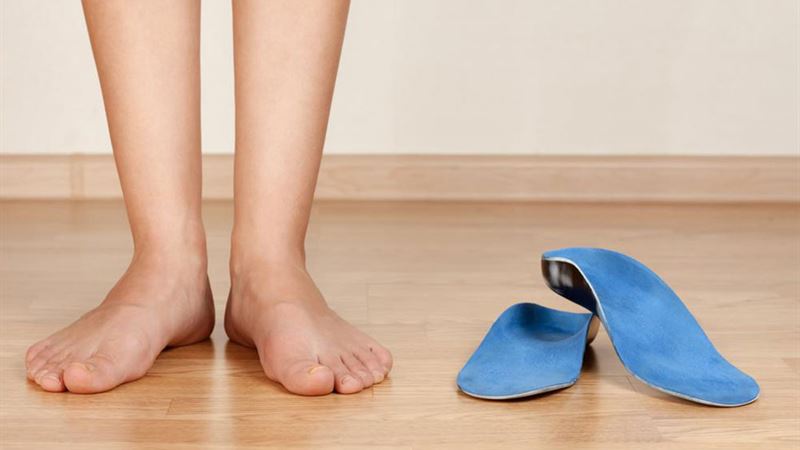
Orthotic devices are specialized supports or braces designed to correct, accommodate, or improve the function of various parts of the body, particularly the feet, legs, and spine. They play a vital role in both rehabilitative medicine and injury prevention, providing stability, correcting deformities, and alleviating pain. The primary categories of orthotics—functional, accommodative, and cognitive—serve different clinical purposes and are tailored to meet individual needs. Understanding these types can significantly improve treatment outcomes and enhance patients’ quality of life.
Functional orthotics are crafted to address and support abnormal biomechanics within the feet and lower limbs. They are usually constructed using durable, high-quality plastic polymers that help prevent issues such as overpronation, flatfoot deformity, and excessive supination. These orthotics are designed to act as rigid levers, stabilizing critical joints like the subtalar joint, rearfoot, midfoot, and midtarsal joints, thereby reducing abnormal motion and mitigating the risk of recurrent injuries. Whether used for stubborn deformities, sports injuries, or chronic pain, functional orthotics aim to restore a more natural gait pattern by providing precise biomechanical correction.
In the realm of foot correction, functional orthotics are instrumental for a variety of deformities. Conditions like plantar fasciitis, bunions, and metatarsalgia often respond favorably to customized orthotic support. The manufacturing process typically involves detailed assessment, gait analysis, and biomechanical evaluation to create devices tailored precisely to the patient's anatomy and movement patterns. These orthotics not only improve comfort but also prevent the progression of deformities and reduce strain on surrounding joints, making them indispensable tools in both clinical orthopedics and sports medicine.
Accommodative orthotics differ significantly from their functional counterparts. They are designed to provide gentle, supportive cushioning and relief for mild pain, discomfort, or deformities. Made from softer, more flexible materials, they focus on redistributing pressure, offloading sensitive areas, and restoring balance. Typical applications include alleviating diabetic foot ulcers, managing minor structural abnormalities, and improving gait mechanics in individuals with age-related foot degeneration. Types of accommodative orthotics include gait plates, splints, night bars, and heel pads, all aimed at accommodating structural variations and correcting minor walking irregularities such as excessive toe-in or toe-out gaits.
These devices are especially valuable for patients with multifaceted conditions like metatarsus adductus, external or internal hip rotation issues, and other limb abnormalities. For example, gait plates can help improve pathological walking patterns by guiding foot placement, reducing joint stress, and correcting imbalance during daily activities. The key benefit of accommodative orthotics is their ability to provide painless, supportive intervention that helps stabilize the foot and leg structures without restricting natural movement. This makes them ideal for long-term use, particularly in elderly patients or those with chronic degenerative conditions.
Advances in orthotic technology have given rise to cognitive orthotics, which incorporate modern software, artificial intelligence, and adaptive programming to assist individuals with cognitive impairments. These innovative devices are tailored for those suffering from memory loss, confusion, or traumatic brain injuries, offering practical support for daily tasks. Usually installed on personal digital assistants (PDAs) or similar electronic devices, cognitive orthotics serve as reminders, navigational aids, and activity management tools. Their role is to augment cognitive function, helping users to complete complex routines, remember appointments, or find lost items, thus enhancing independence and safety.
Developing cognitive orthotics involves a multidisciplinary approach, blending medical expertise, software engineering, and user-centric design. Features like adaptive scheduling, prompts, and artificial intelligence-enabled learning algorithms enable these devices to personalize assistance based on individual behavior patterns. For example, a cognitive orthotic can be programmed to remind a person to take medication, guide them through daily activities, or alert caregivers if unusual behaviors are detected. By facilitating self-sufficiency, these systems not only improve quality of life but also decrease reliance on caregivers, fostering a sense of autonomy among users.
Multifunctional cognitive orthotic systems aim to support real-world task performance by providing cognitive scaffolding during daily activities. Their primary objectives include improving memory retention, promoting task completion, and ensuring safety during mobility. As technology advances, these devices also integrate sensors, GPS, and health monitoring features, making them comprehensive tools for managing complex medical and personal needs. Overall, orthotic technology is evolving rapidly to meet diverse clinical demands, offering innovative solutions that significantly impact rehabilitation, mobility, and independence across various patient populations.