
Effective Strategies for Managing Heel Pain in Runners
Discover comprehensive strategies to effectively treat heel pain in runners. From immediate relief methods like rest and cryotherapy to long-term solutions such as orthotics and structured rehabilitation, this guide provides a detailed roadmap for recovering from heel injuries. Learn how to prevent future issues and get back to running with confidence through expert-recommended techniques tailored for athletes. Proper management not only alleviates pain but also strengthens the foot, ensuring durable health and performance.
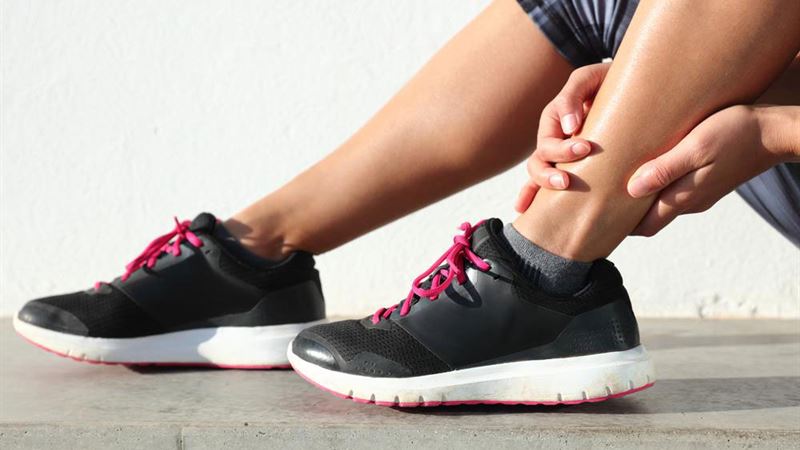
Heel pain is a common issue faced by runners, often caused by repetitive stress, overuse, or improper footwear. Addressing this discomfort promptly is crucial to prevent further injury and ensure a swift return to training. A comprehensive understanding of treatment options can help runners manage heel pain effectively. This article explores various methods, from immediate relief techniques to long-term preventive measures, tailored specifically for those who run regularly.
Rest and Modification of Activity “Rest is fundamental when dealing with heel pain. Runners should avoid high-impact activities, including running, jumping, or plyometric exercises, until the pain subsides. Cross-training activities such as swimming, cycling, or elliptical training provide cardiovascular benefits without placing excessive strain on the heel. Incorporating adequate rest periods allows the inflamed tissues to recover and reduces the risk of chronic issues. It is advisable to listen to your body and not push through significant pain, which can lead to worsening injuries.
Stretching and Flexibility Exercises “While stretching is beneficial in recovery, it must be approached cautiously. Runners experiencing severe heel pain should abstain from aggressive stretching, as it might escalate the injury. Once initial pain and inflammation diminish, gentle stretching can promote flexibility and blood flow to the affected area. Focused calf stretches, Achilles tendon stretches, and plantar fascia stretches can help reduce tension and facilitate healing. Proper stretching post-activity can also prevent future occurrences of heel discomfort.
Night Splints for Continuous Support “Night splints are external devices worn during sleep, designed to keep the foot and ankle in a dorsiflexed position, thus gently stretching the Achilles tendon and plantar fascia overnight. This continuous stretch prevents morning stiffness and reduces heel pain upon waking. Using night splints as part of your treatment plan can help in realigning the tissues, minimizing tension, and accelerating recovery.
Pads and Custom Orthotics for Pressure Redistribution “Orthotic devices and heel pads serve to cushion and support the heel, redistributing pressure away from inflamed tissues. Prefabricated orthotics are readily available, but custom-made orthoses provide a tailored fit based on individual biomechanics. These devices help correct gait abnormalities, stabilize the foot, and reduce stress on the plantar fascia and heel. Consistent use of orthotics can significantly decrease pain and promote healing during the recovery process.
The Four Phases of Heel Pain Treatment “Effective management of heel pain involves progressing through stages that address inflammation, healing, strength, and return to activity:
- Acute Phase: The primary goal is to reduce inflammation and pain. Rest, ice, compression, and elevation (RICE) are essential. Applying cryotherapy (ice packs) three times daily for 20 minutes can significantly diminish swelling. Anti-inflammatory medications may be recommended, but should be used under medical supervision. Avoiding weight-bearing activities and minimizing impact helps prevent further injury.
- Rehabilitation Phase: As pain subsides, focus shifts to restoring flexibility and strength. Physical therapy modalities such as ultrasound, dry needling, or massage can be incorporated. Gentle stretching and controlled exercises help regain tissue elasticity, reduce scar tissue formation, and prepare the foot for functional activities. Maintaining a routine of specific exercises under professional guidance ensures safe progression.
- Functional Phase: This stage emphasizes strengthening the intrinsic muscles of the foot and ankle stability. Taping techniques, stability shoes, and orthotics are utilized to protect the healing tissues. Weight-bearing activities are gradually reintroduced, with emphasis on proper gait and biomechanics. Cross-training, including low-impact options, is encouraged to maintain fitness while minimizing heel stress.
- Return to Activity: The final phase involves reintegration into running routines. Runners should commence with walking and light jogging, gradually increasing intensity and duration. Tolerance levels are monitored closely to prevent setbacks. Incorporating off-day cross-training, such as swimming or cycling, helps sustain cardiovascular fitness without overloading the heel. Proper footwear, warming up, and stretching are vital for preventing recurrence.
Addressing heel pain requires a systematic approach tailored to the severity and underlying cause. Combining rest, supportive devices, gentle stretching, and a phased rehabilitation program ensures effective recovery, returning runners to their training regime more resilient and less prone to injury.