
Comprehensive Strategies for Effective Toenail Fungus Treatment
Discover comprehensive and effective methods to treat toenail fungus, from medical treatments to natural remedies. This detailed guide covers diagnosis, OTC options, dietary changes, and home therapies, ensuring you have all the tools necessary to eliminate fungal infections and restore healthy nails. Learn how to choose the best approach for your condition and prevent future occurrences with practical tips and expert advice.
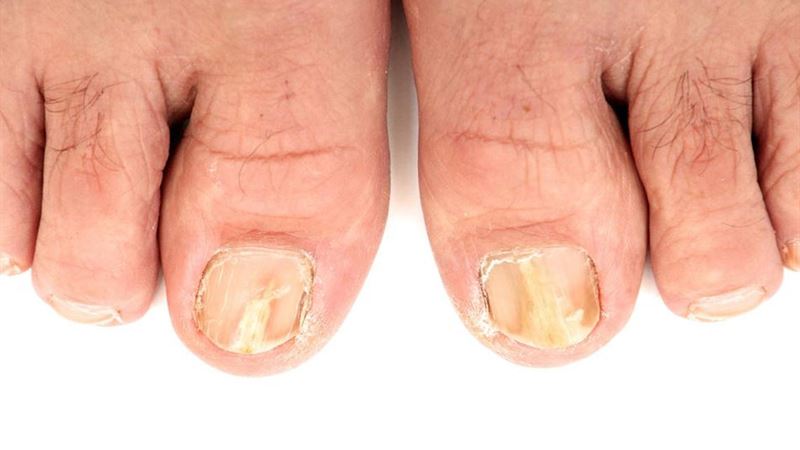
Consult Certified Healthcare Providers for Accurate Diagnosis and Prescribed Treatments
The initial step in managing toenail fungus is obtaining a precise diagnosis from a qualified healthcare professional. A podiatrist or dermatologist can determine the severity and type of fungal infection, which guides the most effective treatment plan. For mild infections, doctors often recommend topical antifungal creams, medicated nail lacquers, or ointments that can be applied directly to the infected nail. These treatments aim to inhibit fungal growth and promote healthy nail regrowth. For more persistent or advanced infections, oral antifungal medications such as terbinafine or itraconazole may be prescribed, which work internally to eradicate the fungus. It’s crucial to adhere strictly to your doctor’s instructions to maximize treatment efficacy. In some cases, a more aggressive approach, including surgical removal of the infected nail, becomes necessary to prevent the spread and recurrence of infection, especially if the fungal invasion has caused significant nail damage.
Utilize Over-the-Counter (OTC) Medications for Mild to Moderate Cases
For many individuals experiencing early stages of toenail fungus, OTC antifungal products provide a convenient and cost-effective treatment option. These formulations include medicated creams, gels, sprays, and nail lacquers designed to target common fungi such as dermatophytes. Products containing ingredients like clotrimazole, terbinafine, or ciclopirox are frequently used to combat fungal infections. It is essential to follow the instructions carefully and maintain consistent application to ensure the best results. While OTC solutions are effective for mild cases, they may not suffice for severe or stubborn infections, which could require stronger prescription medications or professional medical procedures.
Consider Nail Removal for Severe or Recalcitrant Infections
When all other treatments fail or when the infection has led to extensive nail destruction, surgical removal of the affected nail may be the most viable option. Nail removal can be partial or complete, performed under local anesthesia. This procedure allows for thorough cleaning and decontamination of the nail bed, reducing fungal load and facilitating the growth of a new, fungus-free nail. Some nonsurgical options, such as chemical nail avulsion or laser therapy, are also available and less invasive. Although the idea of nail removal can seem daunting, it often provides a definitive solution, especially when fungal infections are resistant to topical or oral medications.
Adopt Dietary Changes to Support Nail Health and Fight Fungal Infections
Nutrition plays a vital role in the body’s defense mechanisms against infections, including toenail fungus. A well-balanced diet rich in essential nutrients can accelerate healing and improve overall nail strength. Incorporate probiotic-rich foods like yogurt, kefir, and fermented vegetables to support healthy gut flora, which can bolster the immune response. Ensuring adequate protein intake promotes nail regeneration and repair. Iron-rich foods such as lean meats, spinach, and legumes help prevent brittle, chipped nails. Additionally, consuming foods high in calcium, vitamin D, and omega-3 fatty acids—found in fish, walnuts, and flaxseeds—can enhance nail resilience and prevent further damage. Maintaining good hydration and reducing sugar intake may also help inhibit fungal growth by creating an unfavorable environment for fungi to thrive.
Explore Effective Home Remedies and Natural Treatments
Many individuals turn to natural remedies for their safety, affordability, and perceived efficacy. Although scientific evidence varies, several home-based therapies have gained popularity for managing toenail fungus. Here are some of the most widely used options:
- Tea Tree Oil: Renowned for its antifungal and antiseptic properties, tea tree oil can be applied directly to the infected nail twice daily. Regular use may accelerate the healing process and help clear the infection within several weeks. Diluting the oil with a carrier oil such as coconut or olive oil can prevent skin irritation.
- Cinnamon Oil Extract: Soaking affected nails in a mixture of warm water and cinnamon oil can diminish fungal activity. Consistent application over a month often results in reduced discoloration and thickening. Its antifungal properties make it a favored natural remedy for toenail infections.
- White Vinegar: Due to its acidic nature, white vinegar can help inhibit fungal growth. Soaking toenails in a vinegar solution (one part vinegar to two parts water) regularly can reduce yellowing and thickening. However, prolonged use may lead to increased nail sensitivity, cracking, or brittleness, so caution is advised.
- Mentholated Creams or Vapor Rubs: Applying menthol-infused rubs intended for respiratory relief to the affected nails may provide antifungal benefits. This easy and accessible method has shown promise in alleviating symptoms and aiding the healing process.
- Baking Soda: Known for its antifungal and pH-balancing properties, baking soda can be applied as a paste or added to soaking solutions. It can help reduce fungal proliferation and improve nail appearance.
- Eucalyptus Oil: Known for its refreshing scent and antimicrobial properties, eucalyptus oil may assist in reducing fungal activity when applied topically.
- Oregano Oil: Containing thymol, oregano oil exhibits potent antifungal and antibacterial effects. Applying it twice daily to the infected area can lead to significant improvement. It is advisable to dilute essential oils adequately to prevent skin irritation and allergic reactions. Combining oregano, eucalyptus, and tea tree oils in a homemade solution may also promote faster recovery, but individual sensitivities should be considered.
When opting for natural remedies, patience and consistency are key. Always perform a patch test before applying new substances extensively. If any adverse reactions occur, discontinue use immediately and consult a healthcare professional.