
Comprehensive Guide to Effectively Treat Toenail Fungal Infections
This comprehensive guide provides detailed insights into toenail fungal infections, covering symptoms, causes, prevention, and effective treatment options. Learn how to identify early signs, adopt proper foot hygiene, and explore medical remedies for quick and lasting recovery. Protect your foot health by understanding risk factors and preventive measures. Whether you prefer home remedies or medical treatments, this article offers valuable advice to combat toenail fungus effectively and prevent future infections. Take care of your nails today for healthier, stronger feet tomorrow.
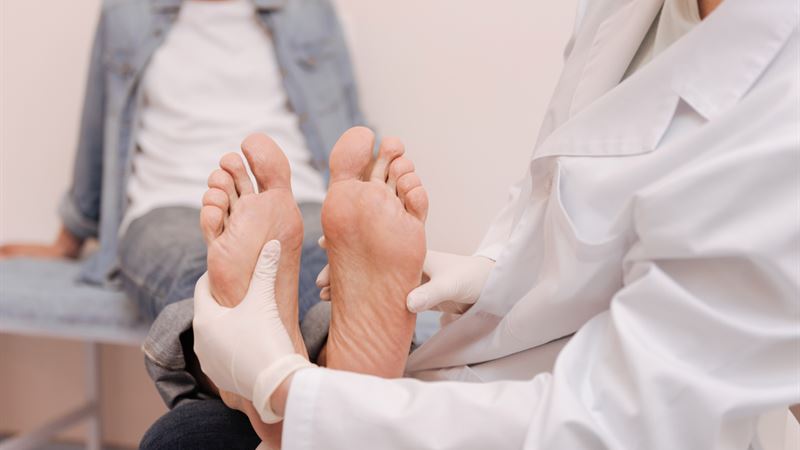
Toenail fungus, medically known as onychomycosis, is a common condition affecting many individuals worldwide. It results from fungal infections that invade the nails, often leading to discomfort, aesthetic concerns, and in some cases, serious health complications if left untreated. Recognizing the symptoms and understanding the causes are crucial steps towards effective treatment and prevention. This detailed guide aims to shed light on the various aspects of toenail fungal infections, including symptoms, causes, prevention strategies, and comprehensive treatment options.
Understanding the symptoms of toenail fungus is the first step in early detection. Classic signs include discoloration of the affected nail, typically turning yellow, brown, or white. The infected nail often becomes thickened, which can cause discomfort and difficulty in trimming. As the infection progresses, the nail may become brittle, crumbly, or distorted in shape. The affected area may emit a foul odor, signaling the presence of fungal growth. These symptoms not only affect the appearance but also impact daily activities such as walking and wearing footwear comfortably.
Causes of toenail fungal infections are diverse. The primary culprit is dermatophyte fungi, which invade the nail bed, nail plate, and surrounding tissue. These fungi thrive in warm, moist environments, making places like swimming pools, locker rooms, and damp shoes common sources of infection. Sharing footwear, socks, or manicure tools can facilitate the spread of fungi from person to person. Additionally, individuals with weakened immune systems or certain health conditions such as diabetes are at increased risk. Aging also contributes, as toenails tend to become brittle with age, providing easier entry points for fungi. Poor circulation, especially in the extremities, creates an environment conducive to fungal growth. Notably, individuals with compromised health or existing skin conditions are more susceptible to persistent and recurrent infections.
Preventative measures are essential to avoid the onset of toenail fungal infections. Maintaining proper foot hygiene, wearing moisture-wicking socks, and avoiding walking barefoot in communal areas are fundamental. Regularly cleaning and drying feet thoroughly, especially between toes, reduces moisture that fungi need to thrive. Using antifungal powders or sprays in shoes and on feet adds an extra layer of protection. Avoiding sharing personal items like nail clippers or towels is crucial, as these can harbor fungi. Choosing breathable footwear options and ensuring proper foot care can significantly decrease risk. In high-risk individuals, such as diabetics or older adults, additional precautions include routine foot examinations and consulting healthcare providers promptly when symptoms appear.
Effective treatment of toenail fungus involves a multi-faceted approach. Home remedies can be beneficial for mild cases and are usually the first line of attack. These include applying over-the-counter antifungal creams, ointments, or medicated nail lacquers that contain active ingredients designed to inhibit fungal growth. Regularly soaking feet in warm water with Epsom salts or tea tree oil can soften nails and help eliminate fungi from surfaces. Trimming and filing infected nails gently reduce buildup and improve the penetration of topical treatments. Ensuring good foot hygiene by washing and thoroughly drying feet daily is paramount to preventing further fungal spread.
When home remedies are insufficient, medical intervention becomes necessary. Consulting a healthcare provider or dermatology specialist can lead to a tailored treatment plan. Prescription oral antifungal medications, such as terbinafine or itraconazole, are often prescribed to combat stubborn infections from within. These medications require careful supervision due to potential side effects and interactions, but they tend to be effective for more severe cases. Additionally, doctors may recommend medicated nail lacquers or topical creams that contain stronger antifungal agents. These treatments can take several months to fully restore healthy nails, emphasizing the importance of patience and consistency.
In managing toenail fungal infections, maintaining strict foot hygiene is essential. Changing socks daily, especially after sweating, and choosing breathably designed footwear minimizes moisture buildup. Disinfecting and replacing nail grooming tools regularly prevents reinfection. Patients are advised to avoid walking barefoot in public areas and to keep their feet dry and clean at all times. Incorporating antifungal powders or sprays into your daily routine can bolster defense mechanisms. Following prescribed treatment regimens diligently ensures higher success rates. Remember, combining medical treatments with rigorous personal hygiene practices offers the best chance for complete recovery.
Prevention is the key to avoiding toenail fungal infections altogether. Regular foot inspections, especially for individuals with risk factors, can detect early signs of infection. Wearing protective footwear in communal showers and locker rooms, avoiding tight or non-breathable shoes, and practicing good hygiene habits form the cornerstone of prevention. Additionally, staying vigilant about existing health conditions such as diabetes helps mitigate risks. Ultimately, adopting proactive foot care routines and seeking medical advice promptly at the first signs of infection can prevent complications, save costs, and improve quality of life.