Explore effective and natural methods for treating toenail fungus at home. From Tea Tree Oil to dietary tips, learn how to combat fungal infections safely and efficiently. Prevent recurrence and maintain healthy nails with these proven remedies and hygiene practices.
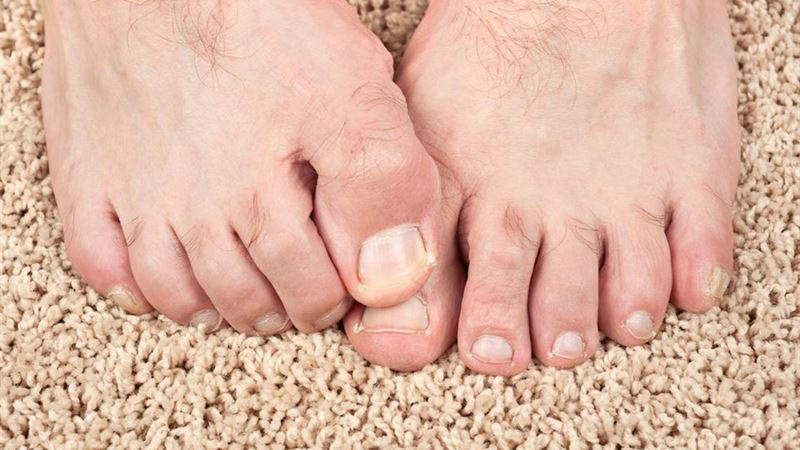
Toenail fungus, medically known as onychomycosis, is a common ailment that affects many individuals worldwide. While it might seem like a minor cosmetic concern at first, if left untreated, it can lead to discomfort, pain, and more serious infections. Fortunately, numerous natural remedies are available that can help eliminate toenail fungus or prevent its occurrence altogether. These remedies are widely accessible, cost-effective, and often free of harsh chemicals, making them a popular choice for those seeking natural healthcare options.
Understanding the root causes of toenail fungus is crucial for effective treatment. Fungal infections thrive in moist, warm environments and often happen due to inadequate foot hygiene, nail injuries, or suppressed immune systems. Factors like wearing tight footwear, excessive sweating, or walking barefoot in communal areas like gyms or swimming pools can increase the risk. Recognizing these causes can help you take proactive steps to prevent infection and maintain healthier toenails.
Tea Tree Oil: The Natural Antifungal Powerhouse
Tea tree oil, derived from the leaves of the Melaleuca alternifolia plant native to Australia, is renowned for its potent antifungal and antiseptic qualities. This essential oil has been used for centuries by indigenous populations to treat various skin ailments. Its active compounds, including terpinen-4-ol, target fungal pathogens effectively, making it a powerful natural remedy for toenail fungal infections.
Application Method:
- Begin by thoroughly cleaning your affected toenail and surrounding skin to remove dirt and excess oils.
- Dip a clean cotton swab into pure tea tree oil and gently apply it to the infected area, ensuring complete coverage.
- Allow the oil to remain on the toenail for approximately 10 minutes before wiping away excess with a soft, clean cloth or tissue.
- Repeat this process twice daily, ideally in the morning and before bed, until you observe significant improvement.
Note: Conduct a patch test before full application to rule out any skin sensitivity to tea tree oil.
Baking Soda: An Effective Moisture Regulator and Fungal Fighter
Baking soda, or sodium bicarbonate, is a common household item well-known for its ability to neutralize odors and control moisture. Fungal infections flourish in damp environments, so keeping the affected area dry is essential for recovery. Baking soda’s ability to absorb moisture helps create an inhospitable environment for fungi, thereby assisting in the fight against toenail infections.
How to Use:
- Create a thick paste by mixing baking soda with a small amount of water.
- Apply this paste directly to the infected toenail and the surrounding skin.
- Allow it to sit for at least 10 minutes before rinsing thoroughly with clean, lukewarm water.
- Alternatively, for a more soothing approach, add a generous amount of baking soda to a foot soak—using around 2-3 tablespoons per liter of water—and soak your feet for 15-20 minutes daily.
Consistency in application can significantly speed up healing and prevent reinfection.
Cornmeal: Nature’s Fungus Combatant
Cornmeal contains a natural compound called ammophilin, which has been shown to possess antifungal properties. While cornmeal itself is harmless, it can help combat the fungi responsible for toenail infections when used correctly.
How to Use:
- Prepare a foot soak by mixing approximately 100 grams (about a cup) of cornmeal into 2 liters of warm water.
- Ensure the mixture is well-stirred and the cornmeal has settled into the water.
- Soak your feet in this solution for about 30 minutes, allowing the antifungal properties to work effectively.
- Repeat this process 2-3 times weekly for optimal results.
This natural treatment provides a gentle yet effective way to reduce fungal load on the toenail and surrounding skin.
Apple Cider Vinegar: Balancing pH for Fungal Control
Apple cider vinegar (ACV) is known for its ability to alter the pH of the skin, creating an environment less conducive to fungal growth. Its natural acetic acid content helps prevent the spread of the infection and promotes healing.
Application Steps:
- Mix equal parts of raw, unfiltered apple cider vinegar and water in a small basin.
- Immerse the affected toenail and surrounding skin in the solution for 30 minutes daily.
- Dry your foot thoroughly after each soak to prevent moisture accumulation.
- Consistent use over several weeks can significantly reduce fungal presence and support nail recovery.
While ACV is effective, avoid overdoing it if you experience skin irritation.
Mouthwash: An Unexpected Fungal Defense
Mouthwash, thanks to its antiseptic ingredients like alcohol and chlorhexidine, can serve as an effective remedy for toenail fungi. It kills harmful bacteria and fungi, providing a simple home treatment option.
How to Apply:
- Mix an equal quantity of mouthwash and white vinegar in a small bowl.
- Soak the affected toenail in this mixture for about 30 minutes each day.
- Gently scrub the toenail with a soft brush or exfoliating tool to remove dead skin and fungal debris.
- Repeat twice daily until the infection clears.
Caution: Conduct a patch test before use to prevent irritation, especially in individuals with sensitive skin.
Lavender Oil: Soothing Antiseptic Solution
Lavender essential oil is celebrated not only for its calming aroma but also for its antimicrobial properties. It can reduce inflammation, soothe irritation, and combat fungi effectively.
Application Guidelines:
- Dippen a cotton ball into pure lavender oil and gently apply it over the affected toenail.
- Allow the oil to sit for 10-20 minutes, then rinse with cool water.
- This process can be repeated 3-4 times daily to promote healing and reduce discomfort.
Lavender oil’s gentle yet effective action makes it suitable for frequent use, especially for sensitive skin.
Garlic: Nature’s Antifungal Remedy
Garlic (Allium sativum) is a staple in many cuisines and has potent medicinal properties owing to compounds like allicin and ajoene. These compounds exhibit strong antifungal effects making garlic a reliable natural option for toenail fungus treatment.
How to Use:
- Crush a few cloves of garlic and mix with white vinegar to create a potent paste.
- Apply this mixture directly onto the affected toenail and surrounding skin.
- Secure with a clean bandage and leave it for a few hours.
- Repeat daily until the fungal infection diminishes significantly.
Warning: Avoid applying garlic directly to broken or sensitive skin to prevent irritation.
Diet and Lifestyle Modifications for Faster Recovery
Your diet plays an essential role in supporting your immune system and aiding natural healing processes. Incorporate foods that bolster immunity and aid nail regeneration for optimal results.
Recommended dietary changes include:
- Probiotic-rich foods like yogurt to strengthen your gut health, which enhances overall immunity.
- Protein-rich foods such as lean meats, nuts, and legumes to support tissue repair and nail growth.
- Iron-rich foods like spinach, red meat, and lentils to prevent brittle and weak nails.
- Sources of healthy fats such as avocados, nuts, and oily fish to reduce inflammation and promote skin healing.
- Low-fat dairy products to provide essential nutrients without excess calories.
Adopting a balanced diet alongside consistent foot hygiene practices helps reinforce the body's natural defenses against fungal infections and reduces recurrence.
Despite the effectiveness of natural remedies, some cases of toenail fungus may require professional medical intervention. People with compromised immune systems, diabetics, or those with persistent or worsening infections should consult healthcare providers for appropriate diagnosis and treatment options. Self-care is excellent for mild conditions, but professional guidance ensures complete resolution and prevents complications.
In summary, these natural remedies provide a holistic approach to managing toenail fungus. When combined with good hygiene, proper footwear, and dietary adjustments, they can significantly expedite healing and restore healthy nails.
