
Comprehensive Guide to Purchasing Bank-Owned Recreational Vehicles (RVs)
Learn everything you need to know about purchasing bank-owned RVs, from locating listings and inspecting vehicles to understanding benefits and managing risks. This detailed guide provides valuable tips for cost-effective and informed RV buying, perfect for budget-conscious adventurers seeking quality used vehicles at a fraction of the new price.
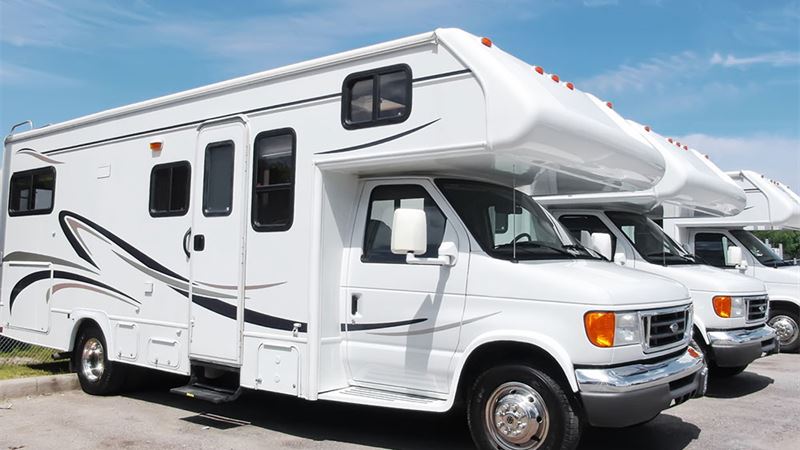
For anyone interested in purchasing a bank-owned RV, knowledge is power. Understanding how to navigate the process, what to check for during inspections, and recognizing the inherent advantages and challenges can make the experience smoother and more rewarding. Foreclosed RVs are generally sold at prices well below market value, making them attractive options for both first-time buyers and seasoned RV enthusiasts looking to expand their collection without breaking the bank. Getting started requires a strategic approach to find the right vehicles and assess their condition accurately.
Step 1: Locating Foreclosed RV Listings
The initial step involves locating bank-owned RVs for sale. Several sources can help you find these listings, including official government auction websites, bank portals, credit union listings, and specialized online auction platforms. Many banks and financial institutions post their foreclosed assets on dedicated sites, providing detailed descriptions, photos, and reserve prices. Additionally, online classified ads, local newspapers, and RV auction houses may feature relevant listings.
It’s also worthwhile to connect with local RV dealers or brokers specializing in auctioned vehicles. Subscribing to newsletters or alerts from these sources can keep you updated on upcoming sales and available inventory. When browsing listings, pay attention to details such as the vehicle’s model, year, mileage, and location. Setting up alerts for specific models or price ranges can help streamline your search process.
Step 2: Initial Contact and Viewing Arrangements
Once you've identified potential RVs, the next step is contacting the seller—usually a bank or auction house—to arrange a viewing. This step is crucial, especially since foreclosed vehicles are often sold as-is, with limited warranties. During the viewing, examine the RV thoroughly, noting any visible damages or issues. In some cases, the seller might require a deposit or fee to hold the vehicle while you finalize your decision.
Prior to viewing, prepare a checklist of key features to inspect, including the engine, chassis, interior amenities, appliances, and exterior condition. Don’t hesitate to ask about the vehicle’s history, maintenance records, and reason for foreclosure. Gathering this information upfront helps in making an informed decision and preparing for negotiations later.
Step 3: Conducting a Detailed Inspection
Before purchasing, a comprehensive inspection is essential to evaluate the true condition of the RV. While a visual inspection can identify obvious issues like body damage or leaks, professional assessments are highly recommended for mechanical components, electrical systems, and undercarriage concerns. Consider hiring an experienced RV mechanic for a pre-purchase inspection—they can uncover problems that might not be visible to the untrained eye.
Common issues to check include water damage, frame integrity, battery life, plumbing systems, and the functionality of appliances. Look for signs of water stains, mold, or musty odors that indicate previous leaks or moisture intrusion. Confirm that the tires are in good condition and that the brakes, engine, and transmission operate properly. Understanding the vehicle’s maintenance history can offer insights into its reliability and longevity.
Step 4: Evaluating the Damages and Estimating Repairs
After the inspection, compile a detailed list of repairs or refurbishments needed. This step helps you assess whether the vehicle is truly a bargain or if hidden costs will diminish its value. For example, replacing a failing water pump, fixing interior damages, or updating outdated electronics can add up quickly. Factor these potential costs into your overall budget.
It's advisable to obtain quotes from repair shops or specialists to estimate repair expenses accurately. This information allows you to negotiate a fair price with the seller and ensure that the final deal remains within your financial limits. Always allocate extra funds for unforeseen repairs that may arise once work begins.
Benefits of Buying Bank-Owned RVs
Purchasing a bank-owned RV offers several significant advantages. These vehicles are typically sold at discounted prices compared to traditional dealerships, offering substantial savings for buyers. Because banks sell these RVs to recoup their investments quickly, they often accept lower offers, providing room for negotiation.
Moreover, bank-owned RVs are usually held to higher maintenance standards before resale, which can mean they are in excellent condition. Since these vehicles are often inspected thoroughly and reconditioned if necessary, buyers can expect to receive a relatively reliable and well-maintained vehicle.
Buying from a bank or government auction also supports local economies, especially if you are purchasing from regional authorities looking to clear their foreclosure inventories. This process may also enable less-experienced buyers to access high-quality RVs that might otherwise be sold through select dealerships only.
Potential Risks and Considerations
While the savings are enticing, buying a foreclosure RV comes with its own set of risks. As-is sales mean the buyer bears responsibility for any issues that were not disclosed or discovered during inspection. Hidden damages like frame rust, electrical problems, or previous water intrusion can lead to costly repairs down the line.
It’s vital to ask specific questions regarding the RV's history, such as prior accidents, major repairs, or recurring issues. Additionally, confirm the vehicle's maintenance records to gauge reliability and future expenses. Always verify the title status to ensure the vehicle is free of liens or legal issues, which could complicate ownership transfer.
Furthermore, consider the costs of registration, insurance, and ongoing maintenance when budgeting. If you lack mechanical expertise, budgeting for professional inspections and repairs becomes even more critical.
Final Tips for a Successful Purchase
To maximize your chances of a successful purchase, prepare a comprehensive list of questions before entering negotiations or bidding. Clarify the RV’s age, mileage, service history, and any known issues. Make sure to confirm the total costs involved, including taxes, registration fees, and insurance premiums.
Leverage negotiation skills to lower the final price, especially if you identify issues requiring repair. Remember, the ultimate goal is to secure a reliable, well-maintained RV at a price that suits your budget.
When buying from an auction or directly from a bank, read all terms and conditions carefully. Understand the payment processes, return policies, and any support offered post-sale. As a general rule, try to attend multiple auctions or viewings to compare options and find the best deal.
Cost Savings and Final Considerations
Generally, purchasing a bank-owned RV can save you anywhere from 25% to over 40% off the retail price of a new model. The final price depends on the condition of the vehicle, your bargaining skills, and prevailing market conditions. Be prepared to negotiate and walk away if the deal doesn’t meet your expectations or budget.
Finally, ensure that you are comfortable with the purchase process, including the paperwork, inspections, and potential repairs. With diligent research and preparation, buying a foreclosed RV can be a highly cost-effective way to enjoy the freedom of travel and adventure with a dependable vehicle that fits your financial plans.