
Mastering Tomato Pruning: Techniques to Maximize Your Harvest Potential
Learn comprehensive pruning techniques for tomato plants, including timing, methods, and benefits to boost yield and fruit quality. Understand different tomato types and how to care for them effectively across the growth cycle to ensure a healthy, productive harvest. Growers of all levels can maximize their tomato yields with proper pruning practices.
Unlock the secrets to optimal tomato plant pruning and enjoy a bountiful harvest this season. Proper pruning is essential for healthy, productive plants, regardless of whether you cultivate determinate, indeterminate, or semi-determinate varieties. Understanding each type's growth habits and applying precise pruning techniques can significantly influence fruit size, plant vigor, and overall yield.
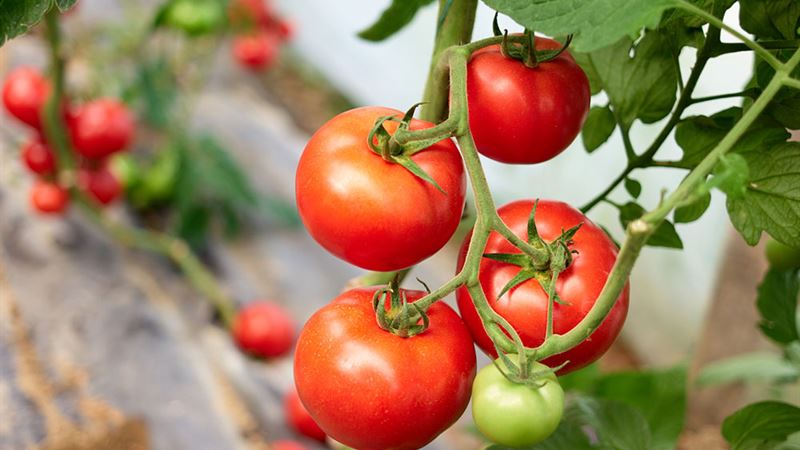
Tomato plants are among the most popular and rewarding vegetable crops for home gardeners and commercial producers alike. Their prolific nature requires growers to manage their growth actively through strategic pruning. Without regular pruning, indeterminate varieties can become unruly, leading to weaker plants and smaller fruits, while proper pruning can enhance airflow, prevent disease, and promote larger, more flavorful tomatoes.
Understanding Different Types of Tomato Plants
Before diving into pruning techniques, it’s crucial to recognize the distinctions among tomato varieties. They generally fall into three main categories: determinate, indeterminate, and semi-determinate. Each category has unique growth patterns and pruning needs.
Indeterminate Tomato Varieties
Indeterminate tomatoes are often called 'vining' types. These plants continue to grow and produce fruit throughout the growing season until killed by frost. Popular varieties include Big Boy, Beefmaster, Black Prince, German Queen, and many cherry and heirloom types. They can grow very tall, sometimes exceeding six feet, and require regular pruning to control their size, improve airflow, and boost fruit development.
Determinate Tomato Varieties
Determinate tomatoes, also known as 'bush' types, have a predetermined size and yield. These plants typically reach about four to five feet in height and produce all their fruit within a short period. Examples include Ace 55, Amelia, Better Bush, and Biltmore. These varieties generally benefit from minimal pruning, mainly removing suckers below the first flower cluster to guide their growth.
Semi-Determinate Tomato Varieties
Semi-determinate tomatoes, like the hybrid variety Celebrity, combine features of both indeterminate and determinate types. They grow to a moderate height, produce fruit over an extended period, and often require balanced pruning to optimize yield and plant health.
Why Prune Tomato Plants?
Pruning is more than just removing excess foliage; it’s an essential horticultural practice that promotes healthy growth, enhances fruit quality, and maximizes your harvest. Proper pruning offers multiple benefits:
- Improves air circulation, reducing the risk of fungal diseases
- Increases sunlight penetration, leading to better ripening
- Focuses the plant’s energy on fruit production rather than excessive foliage
- Contains the plant’s growth, making harvest easier
- Prevents the plant from becoming overly tall and sprawling, especially for indeterminate varieties
Step-by-Step Guide to Pruning Tomato Plants
Effective pruning involves strategic removal of specific plant parts during different stages of growth to foster strong, healthy plants and maximize fruit production. Here’s a comprehensive guide tailored to each growth phase.
At the Time of Planting
Initial pruning sets the foundation for healthy plant development. When transplanting seedlings:
- Remove the lower leaves to facilitate deep planting. Burying stems deeper encourages the development of a robust root system, anchoring the plant and optimizing nutrient intake.
- Eliminate any flowers present. During early transplanting, the plant should prioritize root and stem growth, not fruit production. Removing flowers allows the plant to develop a strong structure before diverting energy into fruiting.
Early and Mid-Season Pruning
As the plant begins to establish itself, continual pruning supports vigorous growth:
- Keep removing flowers until the plant reaches 12 to 18 inches in height. This cautious approach directs energy toward root strengthening rather than early fruiting.
- Identify and prune suckers—small shoots that form in the axil where the leaf joins the main stem. Removing these suckers prevents unnecessary branching and helps channel the plant’s energy into developing main stems and fruit-bearing clusters.
- Use your fingers to pinch off suckers when they are small and tender. If they are larger, use sharp pruning shears to cleanly cut them away, minimizing plant injury.
Late-Season Pruning and Topping
As your tomatoes mature and the growing season nears its end:
- Consider topping the main stems about four weeks before the expected first frost. Cutting off the tips slows new growth, redirecting the plant’s energy into ripening existing fruits.
- This practice accelerates fruit ripening, ensures a more substantial harvest, and reduces the risk of the plant wasting energy on new flower and fruit development late in the season.
Tips for Effective and Safe Tomato Pruning
To make the most out of your pruning efforts, adhere to these expert tips:
- Always prune on dry days. Wet plants are more susceptible to bacterial and fungal infections, which can ruin your crop.
- Limit the removal of foliage to about one-third of the plant’s total leaves. Excessive pruning exposes fruits to direct sunlight, which can cause sunscald and lead to fruit damage.
- Use sterilized, sharp tools such as pruning shears or scissors. Disinfect tools with alcohol to prevent disease transmission between plants.
- Remove yellowing, diseased, or dead leaves regularly to maintain plant health and prevent pest issues.
- Apply a light layer of lubricating oil on your tools before storing to prevent rust and keep them in optimal condition for future pruning sessions.
- Don’t delay pruning. Remove suckers and excess foliage promptly to prevent them from growing into thick branches that are harder to trim later and can hinder airflow.
Additional Considerations for Healthy Tomato Growth
Pruning is one aspect of maintaining a healthy tomato crop. Complement this practice with proper watering, fertilization, staking, and pest management for best results. Mulching around the base helps retain moisture and suppress weeds, while staking or cages keep plants upright, making pruning easier and preventing disease.
Conclusion
Mastering tomato pruning techniques is crucial for both amateur gardeners and commercial growers wanting to optimize their harvest. Understanding the specific needs of each tomato variety, timing your pruning correctly, and following best practices can vastly improve your yields and fruit quality. Regular pruning ensures your tomato plants stay healthy, productive, and manageable throughout the growing season. With patience and careful attention, you'll enjoy an abundant supply of juicy, flavorful tomatoes that come from well-cared-for plants.