
Comprehensive Strategies for Managing and Healing Meniscus Tear Injuries
Discover comprehensive methods for treating and managing meniscus tears, including early intervention, physiotherapy, surgical options, and prevention strategies. Learn how prompt action and tailored treatments can ensure swift recovery and restore knee function effectively.
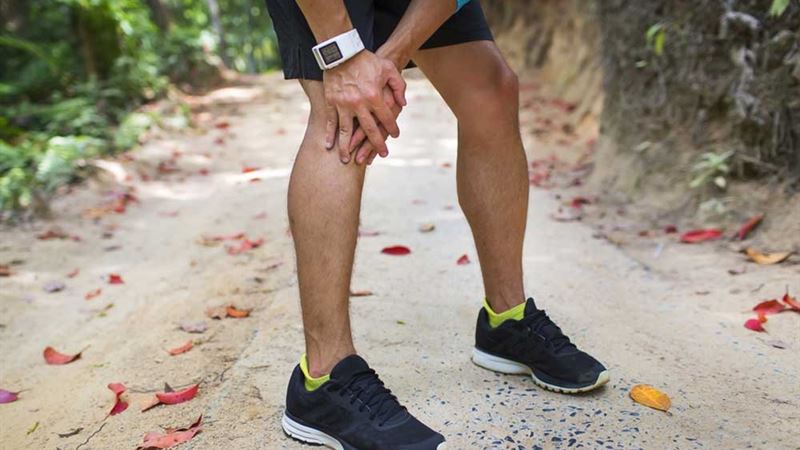
The meniscus is a C-shaped piece of cartilage located in the knee joint, acting as a cushion between the thigh bone (femur) and shin bone (tibia). A meniscus tear occurs when this cartilage suffers a rip or split, often caused by sudden twisting or turning motions during physical activity. This injury is particularly common among athletes, especially those engaging in sports requiring rapid directional changes, pivoting, or heavy knee loads. Meniscus tears can also affect older individuals due to degenerative changes in joint cartilage, making the meniscus more prone to injury even with minor trauma or stress.
Understanding the causes, symptoms, and treatment options for meniscus tears is essential for timely recovery. Early intervention can prevent further damage, reduce pain, and restore knee function. This comprehensive guide covers effective methods for managing meniscus injuries, emphasizing the importance of personalized treatment plans suited to the severity of the tear and individual health conditions.
- What Causes Meniscus Tears?
- Signs and Symptoms
- Initial Steps for Treatment
- Medication and Pain Management
- Physiotherapy and Rehabilitation
- Surgical Interventions
- Preoperative Precautions and Postoperative Care
- Long-term Management and Prevention
Meniscus tears typically result from activities that involve sudden twists, pivots, or heavy loads on the knee joint. Common causes include sports like basketball, football, skiing, and tennis, where rapid directional changes are frequent. Additionally, degenerative tears are common in older adults due to wear and tear over time, often occurring during simple activities like squatting or getting up from a chair. Traumatic injuries can also be caused by falls or direct blows to the knee, leading to ligament injuries that may indirectly cause meniscus damage.
The symptoms of a meniscus tear vary depending on the injury's severity. Most individuals experience pain localized around the knee joint, especially on the inner or outer side. Swelling often develops within a few hours or days, accompanied by stiffness and a feeling of instability or the knee giving way. Some patients might hear a popping sound at the moment of injury. In mild cases, limited range of motion might be noticed, making activities like walking or climbing stairs difficult. Severe tears may cause persistent pain, locking of the knee, or inability to bear weight.
Prompt and appropriate management of a meniscus tear is crucial to prevent further damage. The initial treatment approach primarily involves the RICE method—Rest, Ice, Compression, and Elevation—which helps control pain and swelling. Rest involves avoiding activities that strain the knee. Applying ice packs for 15-20 minutes every few hours reduces inflammation and numbs pain. Compression with a knee brace or bandage provides support and minimizes swelling. Elevating the leg above heart level facilitates fluid drainage from the knee, reducing inflammation and discomfort.
To alleviate pain and inflammation, doctors often recommend nonsteroidal anti-inflammatory drugs (NSAIDs) such as ibuprofen or naproxen. These medications should be used under medical supervision to prevent side effects. Painkillers and anti-inflammatory drugs can provide temporary relief, improving patient comfort during recovery. However, medications alone are not sufficient for healing; they are adjuncts to other treatment modalities.
Physiotherapy plays a vital role in meniscus tear recovery. A licensed physiotherapist designs individualized exercises to strengthen the muscles surrounding the knee—quadriceps, hamstrings, and calf muscles—which help stabilize the joint. Physiotherapy also involves stretching, stretching, and range-of-motion exercises to reduce stiffness and restore mobility. Gradually, weight-bearing activities are reintroduced to strengthen the joint and reduce compensatory movement patterns that can lead to further injury. Consistent physiotherapy enhances blood flow to the area, promoting healing and reducing the risk of long-term complications.
When conservative treatments such as RICE and physiotherapy are insufficient, surgical options are considered. Arthroscopic meniscectomy involves removing the damaged part of the meniscus, allowing for quicker recovery and return to daily activities. Alternatively, meniscus repair involves stitching the torn edges together, which preserves more of the cartilage and reduces the chance of future joint problems. The choice of surgery depends on the type, location, and extent of the tear, as well as the patient’s age and activity level.
Before surgery, patients should inform their physician of any infections, fever, or open wounds in the vicinity of the knee. Proper preoperative assessment reduces the risk of complications. Post-surgery, immobilization and elevation are crucial initially. Follow-up physiotherapy is essential to regain strength, mobility, and function. Patients are advised to avoid strenuous activities until fully healed, which typically takes several weeks. Adhering to medical advice and attending regular check-ups enhances the likelihood of a successful recovery and minimizes the chance of re-injury.
Preventing future meniscus injuries involves maintaining healthy weight, strengthening leg muscles, and practicing proper techniques during physical activities. Incorporating warm-up routines before sports and avoiding sudden, forceful twists can significantly reduce injury risk. If an individual has experienced a meniscus tear before, wearing supportive gear during training and exercising caution are advisable. Continued physical therapy and knee-strengthening exercises form the cornerstone of long-term knee health.
In summary, managing meniscus tears requires a multi-faceted approach that combines immediate rest, medical intervention, physiotherapy, and lifestyle adjustments. With appropriate treatment, most individuals recover fully, restoring knee function and mobility, and returning to their regular activities.