
Comprehensive Guide to Meniscus Tear: Causes, Symptoms, and Effective Treatment Options
This comprehensive guide explores the causes, symptoms, and treatments for meniscus tears, emphasizing preventive strategies and recovery options. Learn how to identify symptoms early, understand surgical and nonsurgical treatments, and adopt best practices to maintain healthy knee joints and prevent future injuries.
Understanding Meniscus Tears: Causes and Risk Factors
The meniscus is a C-shaped cartilage structure located within the knee joint, acting as a cushion between the thigh bone (femur) and shin bone (tibia). It plays a vital role in stabilizing the knee, distributing weight, and absorbing shock during movement. A meniscus tear occurs when this cartilage sustains damage, leading to pain, swelling, and functional impairment. Recognizing the factors that contribute to meniscus injuries is essential for prevention and effective management.
One of the primary causes of meniscus tears is trauma resulting from twisting or quick rotational movements. Such injuries often happen during high-impact sports or activities involving sudden changes in direction. Sports like football, basketball, tennis, soccer, and volleyball pose particularly high risks because they involve abrupt pivoting, turning, or jumping. For example, during a soccer game, a player might pivot sharply to evade an opponent, causing the meniscus to tear due to the rotational force exerted on the knee.
In addition to sports injuries, degenerative changes related to aging significantly increase the risk of meniscus tears. As individuals age, the meniscus naturally wears down, becoming less resilient and more susceptible to tearing even during minor movements. Typically, these degenerative tears are more common in people over 30 years old. Over time, repetitive stress and microtrauma weaken the cartilage, making it more vulnerable to injury with less force than what might cause a tear in a younger, healthier knee.
Furthermore, osteoarthritis, a degenerative joint disease characterized by cartilage breakdown, is strongly associated with an increased risk of meniscus tears. The joint's compromised structure and inflammation cause the meniscus to weaken, leading to a higher probability of tearing during daily activities or minor trauma.
Recognizing the causes and risk factors is crucial for implementing preventive strategies. Maintaining a healthy weight reduces stress on the knee joint. Regular strengthening exercises for the muscles surrounding the knee, including the quadriceps and hamstrings, can improve joint stability and decrease the likelihood of injury. Warm-up routines before engaging in sports or strenuous activities are vital to prepare the joint tissues for exertion and reduce microtears.
Chronic conditions, such as knee malalignment or ligament instability, can also predispose individuals to meniscus tears. For instance, a person with ligament laxity or previous ACL injuries should be cautious during physical activity and seek appropriate medical guidance to prevent further knee damage.
In summary, meniscus tears primarily result from traumatic twisting injuries during sports or sudden movements, compounded by degenerative changes due to aging and osteoarthritis. Understanding these causes enables individuals to adopt preventive measures and seek timely intervention when symptoms arise.
Recognizing meniscus tear symptoms
Meniscus tears manifest through various symptoms, which can vary based on the severity and location of the injury. Early detection is essential for effective treatment and to prevent further complications.
- Pain, especially when pressing on or moving the knee
- Swelling around the knee joint
- Restricted range of motion, making it difficult to fully bend or straighten the knee
- Locking or catching sensations during movement
- A feeling of instability or weak support from the knee
Symptoms can differ in intensity, from mild discomfort to severe pain accompanied by noticeable swelling and joint locking. The severity of the tear influences the clinical presentation and the treatment approach.
Based on the injury's extent, meniscus tears are categorized into three types:
- Minor tears: Typically cause slight discomfort and minimal swelling; symptoms often improve within 2 to 3 weeks with conservative treatment.
- Moderate tears: Present as pain localized to the sides or center of the knee, with swelling worsening over a few days. The knee may feel stiff, and bending or squatting might be painful. Such symptoms usually improve within 1 to 2 weeks but can recur if the knee is strained or twisted.
- Severe tears: Characterized by joint locking, popping, or catching during movement. The individual may be unable to straighten the knee, and the knee can give way unexpectedly. Notable swelling and stiffness develop within days of injury, and persistent instability can occur if untreated.
If these symptoms persist beyond a few days, it’s imperative to seek medical consultation for accurate diagnosis and appropriate intervention.
Meniscus Tear Treatment Strategies
Treatment options for meniscus tears are tailored according to the injury's severity, location, and the patient's overall health. The primary goals are to relieve pain, restore joint mobility, and prevent long-term joint degeneration.
Non-Surgical Management
Initial treatment often involves conservative measures aimed at reducing inflammation and promoting healing. This approach includes:
- Rest: Limit activities that exacerbate symptoms, avoiding weight-bearing movements that cause pain.
- Ice Therapy: Applying ice packs on the knee every 3 to 4 hours for 30 minutes helps reduce swelling and pain.
- Compression: Wrapping the knee with an elastic bandage provides support and minimizes swelling.
- Elevation: Keeping the leg elevated above heart level decreases fluid accumulation around the knee.
- Knee Braces: Temporary immobilization with a knee brace can stabilize the joint and prevent further injury.
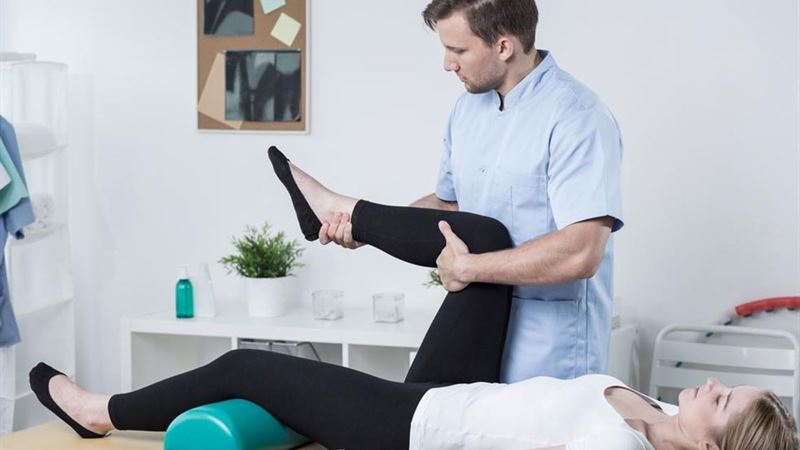
- Physical Therapy: Specific exercises strengthen the muscles around the knee, improve flexibility, and promote healing while decreasing pain. Physical therapy is often recommended as an adjunct to conservative treatment and can significantly enhance recovery.
These measures are effective primarily for minor to moderate tears and in the early stages of injury. Consistent adherence to the regimen can lead to symptom resolution and improved function without surgery.
Surgical Options
If conservative management fails to alleviate symptoms or if the tear is severe, surgical intervention may be necessary. The primary surgical procedures include:
- Meniscus Repair Surgery: Sewing the torn parts of the meniscus back together if the tear is in a vascular region with good blood supply. This method aims to preserve as much meniscal tissue as possible, reducing the risk of future joint problems.
- Partial Meniscectomy: Removing the damaged section of the meniscus to alleviate symptoms. This procedure is suitable for tears that cannot be repaired, especially in the avascular inner zones of the meniscus.
- Total Meniscectomy: Complete removal of the meniscus, generally considered as a last resort due to the increased risk of developing osteoarthritis.
Performing surgery requires an understanding of the approach, which can be either open or minimally invasive arthroscopic surgery. Arthroscopy is preferred because it involves smaller incisions, less pain, and quicker recovery.
Surgical Techniques
- Open Surgery: The surgeon makes a sizable incision to directly visualize and treat the meniscus. This approach is less common nowadays due to its invasiveness.
- Arthroscopic Surgery: Small incisions are made around the knee, through which a tiny camera (arthroscope) and specialized instruments are inserted. The surgeon views the internal structures on a monitor, enabling precise repair or removal procedures.
Postoperative care is essential for optimal recovery. It involves a structured physiotherapy program, avoiding stressful activities like running or jumping for several months, and gradually returning to full activity based on the healing progress.
Adherence to rehabilitation protocols and regular medical follow-ups significantly improve outcomes and can help regain full knee function, even after severe tears. Recovery times vary, but many patients experience substantial improvements within a few months post-surgery.
Understanding that the healing capacity of the meniscus depends heavily on the tear's location is crucial. The outer part of the meniscus, rich in blood supply, tends to heal better and faster than the inner, avascular zones. Therefore, timely diagnosis and appropriate treatment are vital for optimal recovery.
Preventive measures, such as proper warm-up routines, targeted strengthening exercises, appropriate footwear, and cautious engagement in sports, can significantly mitigate the risks of meniscus injuries. Regular check-ups and prompt attention to knee discomfort are key to maintaining long-term joint health.
With diligent care, rehabilitation, and preventive practices, many individuals manage to restore full mobility and function in their knees after a meniscus tear, allowing them to resume their normal activities with reduced risk of recurrence.