
Effective Strategies for Treating and Eliminating Styes
Discover comprehensive, effective treatments for getting rid of styes, including natural remedies like warm compresses and tea bags, plus when to seek medical help for persistent or severe cases. Learn how to prevent future outbreaks and promote eye health with practical tips and professional advice, ensuring quick relief and safe healing from eyelid infections.
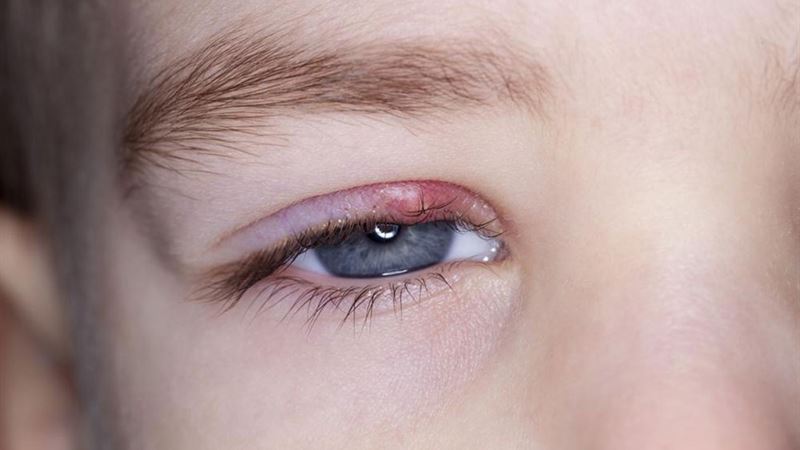
Styes are common eyelid infections that often cause discomfort, swelling, and redness. While they are usually harmless and tend to resolve on their own, knowing effective remedies can shorten recovery time and ease symptoms. This comprehensive guide explores a variety of proven natural and medical treatments to help alleviate the discomfort of a stye, promote faster healing, and prevent further infections. Whether you're looking for home remedies or advice on when to seek medical attention, this article covers everything you need to know.
A stye, also known as hordeolum, is a localized infection that affects the oil glands in the eyelids. It manifests as a painful, pimple-like bump usually located near the edge of the eyelid. Styes can be caused by bacteria, blocked oil glands, poor eyelid hygiene, or in some cases, other underlying health issues. While they are generally benign, they can lead to discomfort, aesthetic concerns, and sometimes vision disturbances if left untreated.
Understanding the causes and early symptoms of a stye is crucial for prompt treatment. Common symptoms include swelling, redness, tenderness, and sometimes the appearance of a white or yellow pustule. Minor styes may resolve spontaneously within a week, but persistent or severe cases can benefit from targeted remedies and medical intervention.
This article provides an expanded list of treatment options, from simple home remedies to medical treatments, offering readers practical ways to deal with this common eyelid condition effectively. The remedies explained include natural therapies, hygiene practices, over-the-counter medications, and professional treatments, designed to promote healing, reduce discomfort, and prevent recurrence.
Home Remedies and Natural Treatments for Styes
Natural remedies are often the first line of action for minor styes. They are easy to implement and generally safe, provided you follow proper hygiene practices. Here are some of the most effective natural approaches:
- Warm Compress Application: Applying warmth to the affected area helps in softening the blocked oil gland, facilitating drainage of pus and reducing swelling. Use a clean, soft cloth soaked in warm water, or a warm gel pack, and gently place it over the eyelid for about 10-15 minutes. Ensure the compress is neither too hot nor uncomfortable. Repeat this process several times a day for optimal results.
- Tea Bag Compress: A warm teabag, especially black tea, contains tannins which have antibacterial and anti-inflammatory properties. Steep a tea bag in boiling water for a couple of minutes, then allow it to cool until it is just warm. Place the tea bag over the eyelid for 5-10 minutes. Remember to use a separate tea bag for each eye to avoid cross-contamination. This method not only alleviates swelling but also speeds up bacterial healing.
- Gentle Eyelid Hygiene: Regularly cleaning the eyelids can prevent bacteria buildup and reduce recurrence. Use a mild eyelid cleanser or dilute baby shampoo with warm water. Dip a cotton swab or washcloth into the solution and gently wipe the eyelid margins. Avoid rubbing or applying excess force to prevent aggravating the infection.
- Warm Washcloth Compress: When tea bags are unavailable, a warm, moist washcloth can serve as an effective alternative. The heat helps dissolve oil plugs and encourages natural drainage. Make sure the cloth is clean and not too hot, and limit contact time to avoid burns or irritation.
- Massage Therapy: Gently massaging the eyelid with clean fingers or a soft cloth can promote the drainage of pus. Use light pressure and avoid squeezing tightly, which can exacerbate inflammation. If massaging increases pain or discomfort, discontinue immediately.
Medical Interventions for Persistent or Severe Styes
While most styes improve with home care, some cases may require medical treatment, especially when symptoms worsen or do not resolve within a week. Consulting a healthcare professional ensures proper diagnosis and access to effective treatments.
- Over-the-Counter Medications: For moderate symptoms, topical antibiotic ointments such as erythromycin or bacitracin are available without prescription. Apply a small amount as directed, usually to the inside edge of the eyelid. It's important to use sterile applicators and avoid sharing makeup brushes to prevent infection spread.
- Pain Management: Over-the-counter pain relievers like ibuprofen or acetaminophen can help alleviate discomfort and reduce inflammation. Follow dosing instructions carefully and consult a doctor if pain persists or intensifies.
- Prescription Antibiotics: In cases where infection persists or worsens, a healthcare professional may prescribe oral antibiotics or stronger topical agents. This is particularly critical if the stye is accompanied by cellulitis or other complications.
- Professional Drainage: For large, painful, or persistent styes that do not respond to medication, a doctor may perform a minor procedure to drain the abscess. This outpatient process involves making a small incision in the stye to release the pus and promote faster healing. Usually, local anesthesia is applied, and the procedure is quick and performed under sterile conditions.
When to Seek Medical Attention
Most minor styes will heal within a week with proper home care. However, medical attention becomes necessary under certain circumstances:
- If the stye persists beyond two weeks despite treatment
- If it becomes increasingly painful, swollen, or affects your vision
- If there is significant swelling or signs of spreading infection, such as fever or cellulitis
- If the infection recurs frequently
- If you have underlying health conditions that impair healing, such as diabetes or immune suppression
Prompt medical consultation can prevent complications and ensure proper recovery. Never attempt to squeeze or pop a stye yourself, as this can worsen the infection or spread bacteria.
Preventative Measures to Avoid Future Styes
Maintaining good eyelid hygiene and adopting healthy habits can significantly reduce the risk of developing styes in the future. Here are some preventative tips:
- Wash your face and eyelids regularly with mild cleanser
- Avoid touching or rubbing your eyes with unclean hands
- Remove makeup thoroughly each night before sleep
- Clean makeup brushes and replace eye makeup periodically
- Manage underlying skin or eyelid conditions like blepharitis
- Protect your eyes from dirt, dust, and irritants
By following these guidelines, you can minimize the chances of recurrent styes and promote overall eye health.
Summary and Final Thoughts
Styes are common, usually mild eyelid infections that can cause discomfort and swelling but are generally easy to treat with home remedies and good hygiene. Warm compresses and herbal treatments like tea bags are effective, safe, and cost-efficient initial methods. Persistent or severe cases should be evaluated by a healthcare professional for appropriate interventions like antibiotics or drainage procedures. Maintaining eyelid cleanliness and avoiding irritants prevent future occurrences. With proper care, most people experience rapid recovery and minimal complications from styes.