
Safety Guidelines for Using Colored Contact Lenses: Essential Tips and Precautions
Colored contact lenses offer a fun way to enhance your appearance but require responsible handling. Always consult an eye specialist before use, purchase from authorized sources, follow proper hygiene practices, and monitor for any eye discomfort. Proper care and adherence to safety guidelines help prevent infections and eye damage, ensuring a safe and stylish experience. Regular eye exams and adhering to lens replacement schedules are essential to maintain eye health. Prioritize professional advice and responsible usage to enjoy the benefits of colored lenses without compromising your vision or eye safety.
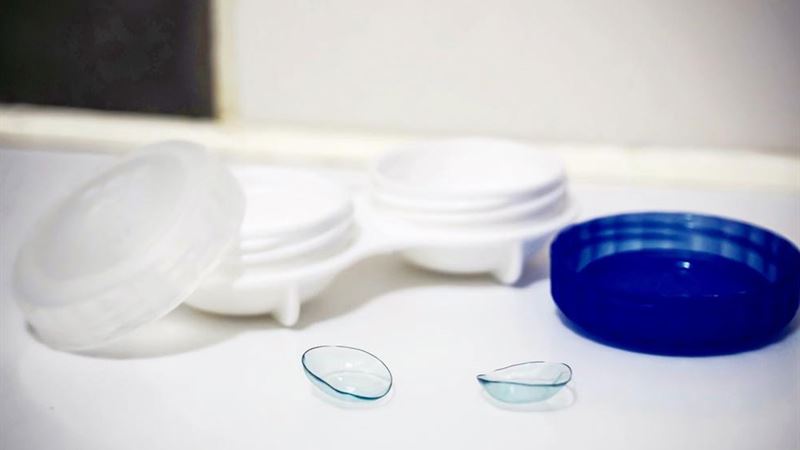
Colored contact lenses have become a popular cosmetic accessory, allowing individuals to enhance or modify their eye color for fashion, costume, or personal expression. However, despite their aesthetic appeal, improper use or careless handling can pose significant risks to eye health. To ensure your eye safety while enjoying the visual effects of colored lenses, it is crucial to understand the necessary precautions and best practices. This comprehensive guide provides essential information on safe usage, proper care, legal considerations, and when to seek medical attention.
Colored contact lenses are not just mere accessories; they are medical devices that require responsible handling. When used correctly under professional guidance, they can be safe and comfortable. But neglecting safety protocols can lead to serious eye problems, including infections, corneal ulcers, allergic reactions, and even vision loss. This extensive article delves into all aspects of safe usage, from legal regulations to maintenance instructions, ensuring you have all the knowledge needed for safe and enjoyable use of colored contact lenses.
**Legal Regulations and Purchasing Tips**
In many countries, including the United States, the sale and distribution of colored contact lenses are regulated by law. Specifically, selling non-prescription colored contact lenses without a valid prescription is illegal in these regions because they are classified as medical devices. This regulation aims to protect consumers from potential eye injuries caused by unsupervised or substandard products. Therefore, it is vital to purchase colored contact lenses exclusively from licensed healthcare providers or authorized optical shops that require a prescription before sale.
Always consult an eye care professional prior to purchasing any type of contact lenses, including cosmetic ones. An ophthalmologist or qualified optometrist can evaluate whether you are suitable for lens wear, measure your eyes accurately to determine the correct size, and advise you on the most appropriate type of lenses based on your eye health and lifestyle. Buying lenses without proper medical guidance significantly increases the risk of complications, particularly if you have pre-existing eye conditions or sensitivities.
**Consultation and Eye Examination**
A professional eye examination is an indispensable step before using colored contact lenses. During this consultation, your eye specialist will check your overall ocular health, identify any conditions that might contraindicate lens use, and measure the corneal curvature and diameter to ensure a proper fit. Correct fitting is crucial for lens comfort, visual clarity, and minimizing the risk of damage. Additionally, if you have existing eye infections, allergies, or other ocular issues, your doctor can recommend the best course of action, including whether you should avoid lens wear temporarily or permanently.
**Proper Usage and Care Tips**
Once you have obtained the correct lenses and prescriptions, maintaining proper hygiene and usage is essential to prevent infections and other complications. Follow these detailed guidelines:
- Always wash your hands thoroughly with soap and water before handling your lenses to prevent transferring bacteria or debris.
- Clean lenses meticulously with a recommended sterile solution after each use. Do not use tap water, saliva, or homemade mixtures, as they can introduce harmful microorganisms.
- Store your lenses in a clean, dry lens case designed for contact lenses. Replace the lens case every three to six months to avoid bacterial buildup.
- Follow the manufacturer's and your eye care provider's instructions regarding lens wearing durations. Do not wear lenses longer than prescribed, and avoid sleeping in non-permanent lenses unless explicitly approved by your eye doctor.
- Use only the lens solutions recommended by your eye care professional. Do not mix different solutions or reuse old solution in the case.
- Adhere to wearing schedules—do not wear lenses continuously beyond the advised period, especially in environments with poor air quality or dust.
- Never share your contact lenses or storage cases with anyone, as this greatly increases the risk of cross-contamination and infection.
**Maintenance and Replacement**
Proper maintenance extends the lifespan of your cosmetic contact lenses and ensures eye safety. Replace lenses as recommended—many cosmetic lenses are designed for short-term use and need to be discarded after a certain period (daily, weekly, or monthly). Regularly inspect your lenses for tears, scratches, or deposits. Do not attempt to fix or reuse damaged lenses.
Remember that lenses are personal medical devices; even if they appear intact, do not wear them beyond the expiration date or after noticing discomfort, redness, or vision disturbances.
**Signs of Eye Problems and When to Seek Medical Help**
While wearing colored contact lenses, be vigilant about any unusual symptoms. Immediate professional consultation is necessary if you experience:
- Persistent redness or swelling
- Eye pain or discomfort
- Blurred or double vision
- Discharge or unusual tearing
- Sudden increase in light sensitivity
These symptoms may indicate infections, corneal abrasions, or other serious conditions requiring prompt treatment. If irritation occurs, remove your lenses immediately and rinse your eyes with sterile saline or clean water. Do not wear lenses again until a healthcare professional has examined your eyes and provided further guidance.
**Additional Precautions**
To maximize safety when using colored contact lenses, follow these additional precautions:
- Only purchase from reputable, licensed sources that verify prescription requirements.
- Never use expired lenses or solutions.
- Avoid exposing your lenses to water sources like swimming pools, hot tubs, or lakes, as these environments harbor microorganisms harmful to your eyes.
- If you experience any discomfort, remove the lenses as soon as possible.
- Maintain regular eye check-ups with your eye care provider, especially if you use lenses frequently.
**Summary**
Colored contact lenses can be a safe and enjoyable way to change your look or complete a costume, provided all safety guidelines are followed diligently. Always prioritize eye health by consulting with a professional before use, ensuring proper hygiene practices, and respecting usage guidelines. Remember that your eyes are precious; protecting them should always come first when enjoying cosmetic lenses.