
Effective Strategies for Managing Gout Flare-Ups and Prevention Techniques
This comprehensive guide explores effective treatments and lifestyle modifications to manage gout flare-ups. It covers rest, cold therapy, medication use, hydration, dietary changes, and weight management to prevent recurrence and reduce complications. Learn how to control symptoms and improve your quality of life through practical strategies and medical support for long-term health and joint preservation.
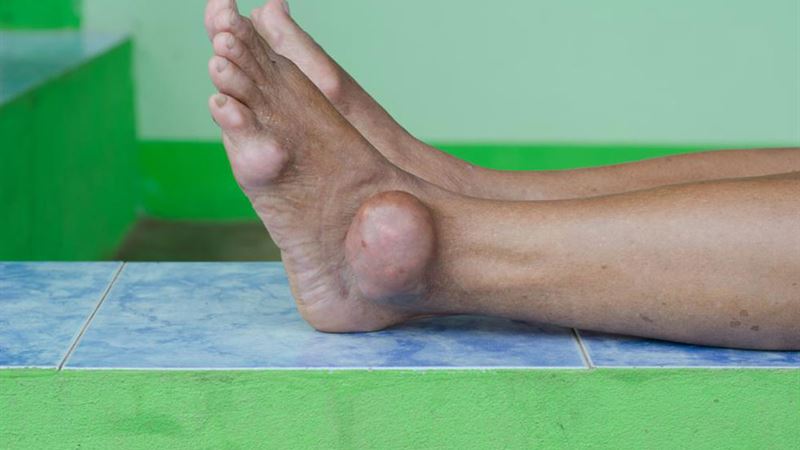
Comprehensive Approach to Gout Management: Essential Treatments and Lifestyle Tips
Gout is a painful form of arthritis caused by the accumulation of uric acid crystals in the joints. Proper management aims to relieve the acute pain during flare-ups and prevent future episodes while minimizing potential complications such as joint damage, kidney problems, and chronic discomfort. Achieving effective control over gout requires a combination of medical intervention and lifestyle modifications. This article explores various treatment options and practical home care strategies to help individuals manage gout effectively and improve their quality of life.
Prioritizing Rest and Limiting Joint Stress
During a gout attack, resting the affected joint is crucial. Adequate rest not only alleviates pain but also prevents further strain on inflamed tissues. Avoid putting weight or pressure on the joint until symptoms subside. Using cushions or supportive devices can help reduce discomfort. Incorporate gentle elevation and avoid abrupt movements to limit swelling and promote healing. Resting the joint is a fundamental first step in managing acute gout episodes effectively.
Application of Cold Therapy for Rapid Relief
Cold therapy, such as applying ice packs to the inflamed area, is an effective home remedy. Wrap an ice pack in a thin cloth and gently place it over the affected joint for 15-20 minutes several times a day. The cold helps reduce swelling, redness, and pain by constricting blood vessels and numbing nerve endings. Be cautious not to apply ice directly to the skin to prevent frostbite. Incorporating cold therapy can significantly ease discomfort during gout flare-ups.
Appropriate Pharmacological Treatment
Taking prescribed medications promptly is vital for managing gout attacks. Nonsteroidal anti-inflammatory drugs (NSAIDs), colchicine, or corticosteroids are commonly recommended to reduce pain and inflammation. It is essential to follow the healthcare professional’s dosage instructions carefully to achieve optimal results. Long-term medications, such as urate-lowering therapies, may be prescribed for chronic management. Avoid self-medicating with over-the-counter drugs without consulting your doctor, as some medicines may adversely affect uric acid levels. Consistent adherence to prescribed treatments can help control symptoms and prevent recurrence.
Maintaining Adequate Hydration
Proper hydration plays a crucial role in preventing gout attacks. Drinking plenty of water helps dilute uric acid in the blood, facilitating its excretion through the urine. Aim to consume at least 8-10 glasses of water daily, especially during flare-ups or hot weather. Adequate hydration supports kidney function and reduces the risk of uric acid crystal formation. Limit or avoid sugary drinks and alcohol, as they can increase uric acid production and trigger gout episodes. Staying well-hydrated is a simple yet effective way to support overall joint health.
Dietary Modifications to Lower Uric Acid Levels
Diet plays a significant role in gout management. Foods high in purines, such as organ meats, dried legumes, shellfish, and alcohol, contribute to elevated uric acid levels. Patients are advised to minimize or avoid these items to reduce attack frequency. Emphasize a diet rich in vegetables, fruits, whole grains, and low-fat dairy products. Incorporate foods that help lower uric acid, including cherries, citrus fruits, and coffee. Maintaining a balanced, low-purine diet can substantially decrease the risk of future gout episodes.
Achieving and Sustaining a Healthy Weight
Excess weight places additional stress on joints and increases uric acid production, heightening gout risk. Aiming for a healthy weight through regular physical activity and balanced nutrition can significantly improve outcomes. Engage in moderate exercise routines like walking, swimming, or cycling, which do not put excessive strain on joints. Weight reduction not only diminishes the frequency and severity of attacks but also enhances overall health. Consult healthcare providers for personalized weight management plans tailored to your needs.
Long-term Management and Lifestyle Optimization
Beyond acute care, a comprehensive approach involves ongoing lifestyle changes and medical monitoring. Regular health check-ups, blood tests, and adherence to prescribed medications ensure uric acid levels remain within safe ranges. Incorporate stress management techniques and maintain a healthy lifestyle to reduce flare-up frequency. Educate yourself about triggers and early warning signs to seek prompt treatment. Effective management of gout requires commitment and proactive measures to prevent complications and maintain joint function for years to come.