
Comprehensive Guide to Hypertension: Common Types and Effective Management Strategies
This comprehensive article explores the different types of hypertension, including primary and secondary hypertension, their causes, symptoms, and effective management strategies. It emphasizes lifestyle modifications like diet and exercise, alongside medication options, to help control blood pressure. Early detection and continuous monitoring are vital for preventing severe complications. The guide provides practical advice for maintaining cardiovascular health, aiming to empower individuals to take charge of their health and reduce the risks associated with high blood pressure.
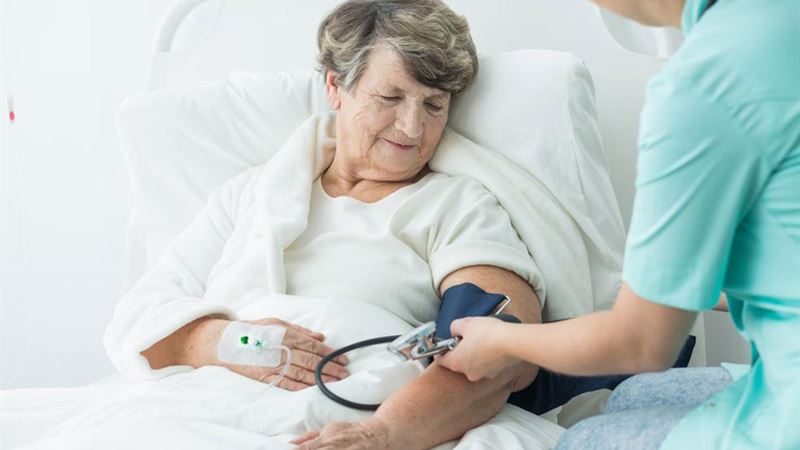
Hypertension, commonly known as high blood pressure, is a widespread health condition that affects millions of individuals worldwide. Recognizing the different types of hypertension and implementing appropriate treatment strategies are crucial steps toward maintaining overall health and preventing serious complications such as heart disease, stroke, and kidney failure. This extensive guide aims to illuminate the various forms of hypertension and provide practical, medically-backed methods for managing and reducing blood pressure effectively.
Understanding the classification of hypertension is essential for effective treatment. Typically, hypertension is categorized into primary (essential) hypertension and secondary hypertension, each with distinct causes and treatment approaches. Moreover, lifestyle factors and underlying health conditions play significant roles in the development and progression of this condition. Here, we delve deep into the specific types of hypertension, their causes, symptoms, and the most effective strategies to control and treat them.
Types of Hypertension
Recognizing the different types of hypertension helps healthcare professionals tailor appropriate treatments for patients. The primary categories include primary hypertension and secondary hypertension, each characterized by distinct features.
Primary Hypertension
Also known as essential hypertension, primary hypertension accounts for approximately 90-95% of all hypertension cases. This type develops gradually over years and often shows no obvious symptoms in its early stages, earning it the nickname “silent killer.” The exact cause remains unclear, but it is believed to result from a complex interplay of genetic, environmental, and lifestyle factors.
Factors contributing to primary hypertension include:
- Genetic predisposition
- Obesity
- High salt intake
- Physical inactivity
- Chronic stress
- Excessive alcohol consumption
- Increased intake of processed foods
Secondary Hypertension
Secondary hypertension arises as a consequence of underlying health issues or conditions. It tends to develop suddenly and can cause higher blood pressure levels than primary hypertension. This form accounts for about 5-10% of cases and often has a specific identifiable cause.
Common causes include:
- Kidney disease
- Hormonal disorders such as hyperthyroidism or adrenal tumors
- Use of certain medications like contraceptives, decongestants, or steroids
- Preeclampsia during pregnancy
- Obstructive sleep apnea
- Certain chronic illnesses
Symptoms and Diagnosis
Many individuals with hypertension remain asymptomatic for years, making regular screenings vital for early detection. When symptoms do occur, they may include headaches, dizziness, shortness of breath, or chest pain, but these are often associated with severe cases or complications.
Accurate diagnosis involves multiple blood pressure readings taken over several visits, along with comprehensive medical evaluations to ascertain underlying causes. Laboratory tests, urine analysis, and imaging studies can help identify secondary hypertension causes.
Effective Treatment Strategies for Hypertension
Managing hypertension requires a multifaceted approach that combines medical treatment, lifestyle modifications, and continuous monitoring. Here are some of the most effective methods to control high blood pressure:
1. Lifestyle Modifications
- Limit alcohol intake: Excessive alcohol consumption significantly contributes to high blood pressure. To maintain healthy levels, men should limit intake to two drinks per day, while women should restrict themselves to one.
- Adopt a balanced, low-sodium diet: Emphasizing fruits, vegetables, whole grains, and lean proteins helps lower blood pressure. Reducing saturated fats and trans fats, and limiting processed foods high in salt, is vital for cardiovascular health.
- Engage in regular physical activity: Consistent exercise strengthens the heart, improves blood circulation, and helps lower blood pressure. Aim for at least 150 minutes of moderate exercise weekly, such as brisk walking, cycling, or swimming.
- Maintain a healthy weight: Obesity is a significant risk factor; losing even a small amount of weight can have a profound impact on blood pressure levels.
- Reduce stress: Practices like mindfulness, deep breathing exercises, yoga, and proper time management can alleviate stress, which is linked to hypertension.
- Quit smoking: Smoking damages blood vessels and elevates blood pressure, increasing the risk of cardiovascular diseases.
2. Medications
When lifestyle changes are insufficient, healthcare providers may prescribe antihypertensive drugs. Common classes include:
- Diuretics (water pills)
- ACE inhibitors (e.g., enalapril, lisinopril)
- Angiotensin II receptor blockers (ARBs)
- Calcium channel blockers
- Beta-blockers
- Alpha-blockers
Proper medication adherence and regular monitoring are essential for effective management and to prevent adverse effects.
3. Monitoring and Follow-up
Regular blood pressure checks and health assessments help track progress and adjust treatment plans accordingly. Patients should work closely with healthcare professionals to ensure optimal control of their condition.
Conclusion
Hypertension is a complex condition influenced by various factors, but with early detection and comprehensive management strategies, it can be effectively controlled. Adopting healthy lifestyle practices, maintaining regular medical check-ups, and adhering to prescribed medications are key to preventing complications and ensuring a long, healthy life. Remember, awareness and proactive measures are your best defense against the silent threat of high blood pressure.