
Comprehensive Guide to Shingles: Causes, Symptoms, and Effective Treatment Options
This comprehensive guide offers detailed insights into shingles, covering causes, symptoms, transmission risks, and effective treatment options. It emphasizes the importance of early medical intervention, proper diet, and natural remedies to promote healing and prevent complications. Learn about risk factors, management strategies, and lifestyle tips to effectively handle shingles and reduce its impact on health.
Understanding the Root Causes of Shingles
Shingles, also known as herpes zoster, is a painful condition caused by the reactivation of the varicella-zoster virus—the same virus responsible for chickenpox. After a person recovers from chickenpox, the virus remains dormant in the nerve tissues. Years or decades later, under certain conditions, the virus can reactivate, leading to shingles. Recognizing what triggers this reactivation is crucial in managing and preventing the condition. Factors such as age-related decline in immune function, stress, illness, or immunosuppressive treatments can weaken the immune system, creating an environment conducive to the virus's reemergence.
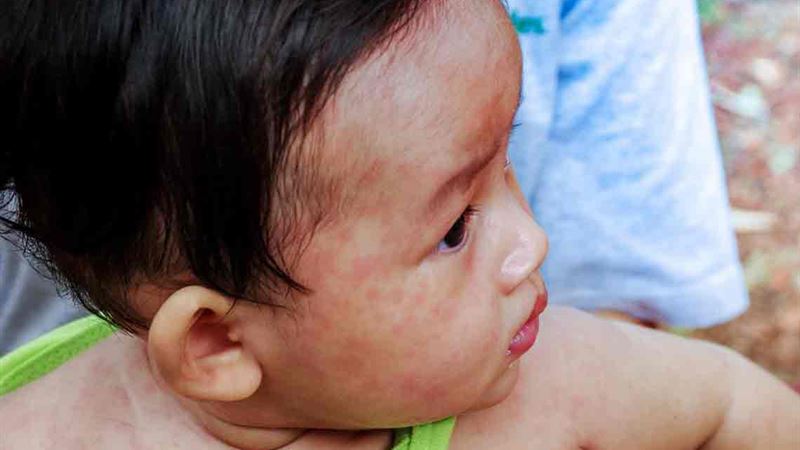
When the virus reactivates, it travels along nerve pathways to the skin, causing a characteristic rash and nerve pain. The initial phase often begins with sensations of burning, tingling, or numbness in a specific area, typically on one side of the body. Over time, a visible rash develops, often appearing as clustered blisters forming in a band or stripe pattern, closely following the affected nerve routes. This rash usually appears on the torso, face, or other parts of the body, but it remains confined to a single side, respecting the midline.
Shingles lesions resemble those caused by chickenpox but are distinguished by their localized distribution and typically manifest in adults, especially those over 50. The blisters eventually rupture, dry out, and form crusts, signaling the healing process. While these symptoms are common, the severity can differ from person to person, with some experiencing mild discomfort and others suffering significant pain and complications.
Transmission and Contagion: What You Need to Know
- Shingles can be transmitted through direct contact with the fluid-filled blisters of an active rash.
- It is highly contagious during the blistering phase, but once crusted over, the risk of transmission diminishes significantly.
- The virus is not spread through coughing or sneezing, unlike respiratory illnesses.
- Pregnant women, immunocompromised individuals, and those with weakened immune defenses should avoid close contact with affected persons.
- The virus transmission occurs primarily when blisters are open and contain infectious fluid.
Understanding the Risks and Factors Contributing to Shingles
Shingles predominantly affects older adults, especially those above 60 years, due to the natural decline in immune function with age. However, it can also affect younger individuals with compromised immune systems. Conditions such as HIV/AIDS, cancer, or undergoing treatments like chemotherapy, organ transplantation, and use of immunosuppressants increase susceptibility. Additionally, autoimmune diseases like Crohn’s disease, rheumatoid arthritis, systemic lupus erythematosus, and ulcerative colitis are linked to a higher risk.
Psychological stress and emotional strain also play a role by weakening immune defenses, making viral reactivation more likely. Conversely, a healthy lifestyle with proper nutrition and stress management can reduce the risk of shingles or lessen its severity.
Effective Treatments for Shingles
There is no cure for shingles, but various treatment strategies can alleviate symptoms, speed up recovery, and prevent complications. The main goals are to reduce pain, promote healing, and prevent postherpetic neuralgia—a chronic nerve pain that persists after the rash heals. The following are commonly recommended treatment options:
- Antiviral medications such as acyclovir, valacyclovir, and famciclovir, which are most effective when taken early in the course of the illness.
- Topical therapies, including calamine lotion, to soothe the skin and reduce itching.
- Cold compresses or wet dressings to lessen pain and inflammation.
- Colloidal oatmeal baths or baking soda pastes to provide relief from skin irritation.
- Prescription creams containing capsaicin to help diminish nerve pain over time.
- Analgesics and neurological pain medications for managing severe pain.
- Proper skin hygiene to prevent secondary bacterial infections and promote healing.
Shingles typically lasts between two to four weeks, but the duration can be prolonged in individuals with compromised immune systems or underlying health issues. During this period, supportive care and lifestyle adjustments play a vital role in recovery.
Dietary Strategies to Support Recovery from Shingles
A balanced diet can significantly influence the course of shingles and aid recovery. Focus on foods rich in vitamins A, B-complex, C, and E, which bolster immune health and facilitate tissue repair. Incorporating lysine-rich foods may help inhibit viral replication, while reducing arginine-rich foods can potentially lessen outbreaks. Typical dietary recommendations include:
- Eggs, which are an excellent source of protein and essential nutrients.
- Lean poultry such as chicken and turkey.
- Leafy green vegetables like spinach and kale.
- Bright-colored fruits like oranges, mangoes, and papayas for their high vitamin C content.
- Healthy proteins like wild fish, including salmon and mackerel.
- Low-fat dairy products to boost calcium intake.
- Whole grains such as oats, brown rice, and quinoa.
- Legumes like beans and lentils for plant-based protein and fiber.
- Tomatoes with their rich antioxidant profile.
Conversely, certain foods should be avoided during shingles treatment to prevent worsening symptoms:
- Foods high in saturated fats, which can promote inflammation.
- Foods containing arginine, including chocolate, gelatin, nuts, and seeds, as they may encourage viral activity.
- Refined sugars and processed foods that impair immune function.
- Canned or packaged foods with additives and preservatives.
- Refined carbohydrates like white bread and pastries.
- Any inorganic or heavily processed foods that may weaken overall health.
Complementary and Homeopathic Approaches
In addition to conventional medicine and dietary modifications, some individuals turn to natural remedies and herbal supplements to support healing and reduce discomfort. While not a substitute for medical treatment, these approaches can be used as complementary strategies:
- Supplements like melatonin, which can support immune regulation.
- Herbal remedies such as St. John’s wort and lemon balm for their anti-inflammatory properties.
- Oregano oil and echinacea, known for immune-boosting effects.
- Green tea, loaded with antioxidants, may aid cellular repair.
- Essential fatty acids like omega-3s to reduce inflammation and promote nerve health.
It’s important to consult with healthcare professionals before starting any herbal or supplement regimen, especially for individuals with pre-existing conditions or on medications. The effectiveness of natural remedies varies based on individual health factors and the severity of the outbreak.
In conclusion, managing shingles involves an integrated approach combining prompt antiviral therapy, supportive care, dietary adjustments, and lifestyle modifications. Early intervention can significantly reduce complications, speed up recovery, and minimize long-term nerve pain. Maintaining a healthy immune system through balanced nutrition, stress management, and regular medical checkups is essential in preventing or reducing the severity of shingles in vulnerable populations. Always seek guidance from qualified healthcare providers to tailor a treatment plan suitable to your specific health needs and circumstances.