
Effective Strategies for Combating Toenail Fungal Infections
Discover comprehensive strategies to treat toenail fungus effectively. From over-the-counter remedies and home-based solutions to prescription medications and surgical options, this guide covers everything you need to know. Learn how early intervention can prevent severe infections, understand potential side effects of treatments, and explore natural remedies that may complement medical approaches. Prioritize foot health with expert advice and ensure your toenails stay healthy, strong, and fungus-free with proven techniques tailored for all severity levels. Stay informed and take proactive steps to combat toenail fungus today.
Understanding Toenail Fungus and Its Treatment Options
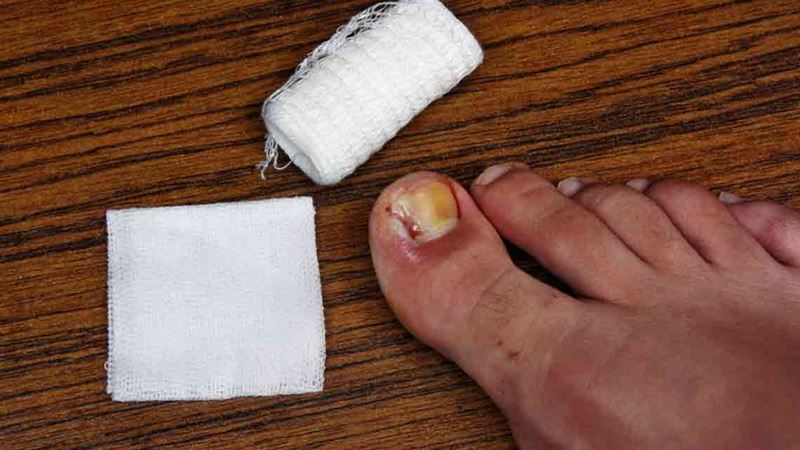
Toenail fungus, medically known as onychomycosis, is a common condition that affects many individuals worldwide. It manifests as thickened, discolored, and brittle nails, often starting at the edges and gradually worsening if left untreated. Prompt and effective treatment is essential not only for cosmetic reasons but also to prevent the infection from spreading further to other nails or skin areas. The approach to treatment depends on the severity of the infection, ranging from over-the-counter remedies to prescription medications and even surgical interventions in advanced cases.
For mild infections, topical treatments such as antifungal creams, lotions, and medicated nail polishes are often recommended. These treatments are designed to penetrate the nail and eradicate the fungi responsible for the infection. Applying these medications diligently over several months can lead to significant improvement. However, when the fungal infection progresses, evident by a deep yellow or brown discoloration and nail thickening, more aggressive treatments may be necessary. Doctors might prescribe oral antifungal medications or suggest procedures to remove the infected nail entirely.
When to Seek Medical Intervention
If you notice the first signs of toenail discoloration, such as a slight yellow tint developing on the nail, consulting a healthcare professional promptly is advisable. Early intervention can prevent the infection from becoming more stubborn or widespread. It’s important to differentiate between fungal infections and other nail conditions like psoriasis or trauma, which can mimic similar symptoms. A podiatrist or dermatologist can accurately diagnose toenail fungus through physical examination and, if needed, laboratory tests such as nail scrapings or cultures.
Pharmaceutical Treatments: The Mainstay for Toenail Fungus
Prescription medications remain among the most effective solutions for persistent or severe toenail fungal infections. There are primarily two categories:
- Topical antifungal agents: These include medicated nail lacquers, gels, and creams that are applied directly to the affected nails and surrounding skin. While effective for mild cases, they often require consistent application over several months to achieve optimal results. Over-the-counter options are available, but prescription-strength formulations tend to deliver better efficacy.
- Oral antifungal medications: For more stubborn infections, systemic treatments such as terbinafine (Lamisil) and itraconazole (Sporanox) are prescribed. These drugs work internally to clear the fungal infection and are usually taken over a period of 6-12 weeks. While highly effective, they can have side effects, including liver function alterations and skin reactions, necessitating regular monitoring by healthcare providers.
In certain cases where the infection has caused significant damage or recurrence persists despite medications, removal of the infected nail might be recommended. This procedure can be performed surgically or through chemical means. Additionally, if a secondary bacterial infection is present, antibiotics may be prescribed either topically or orally to support healing.
Risks and Precautions with Antifungal Medications
Despite their effectiveness, oral antifungal medications are associated with potential side effects. Liver toxicity, skin rashes, and gastrointestinal discomfort are some common adverse reactions. Therefore, doctors usually recommend blood tests before and during treatment to monitor liver health. Patients with pre-existing liver conditions, high blood sugar, or other systemic illnesses should discuss alternative treatments with their healthcare providers.
Individuals with heart failure, liver disease, or those on certain medications should avoid systemic antifungals unless explicitly advised by their doctors, as these drugs may interact negatively with existing health issues. Combining oral medications with other therapies, such as nail removal or topical agents, often enhances treatment success.
Home Remedies for Toenail Fungus: Do They Work?
While professional treatments are generally more reliable, many people seek natural remedies to manage toenail fungus. Some home-based approaches have gained popularity, although scientific evidence varies regarding their effectiveness. Here are some commonly tried remedies:
- Cinnamon Oil: Known for its antifungal properties, cinnamon oil can be diluted to a 2% solution and used to soak affected nails. Some users report that regular application or soaking helps reduce yellow discoloration within a month. Although scientific backing is limited, anecdotal evidence suggests potential benefits when used consistently two to three times daily.
- Tea Tree Oil: With natural antifungal and antiseptic qualities, applying tea tree oil directly to the infected nails twice daily may show benefits in approximately three weeks. Ensuring the oil penetrates beneath the nail enhances its effectiveness. This method is cost-effective and widely used as a complementary treatment.
- White Vinegar: Soaking toenails in a solution of white vinegar (a strong acetic acid) for 30 minutes twice daily may help inhibit fungal growth. The acidity of vinegar can penetrate the nail, making it thinner and more brittle over time, which could facilitate fungal eradication. Regular use might yield visible improvements over several weeks.
Additional Tips and Preventative Measures
Preventing toenail fungus is equally important as treatment. Maintaining good foot hygiene involves keeping feet clean and dry, wearing breathable footwear, and changing socks regularly. Avoid walking barefoot in damp communal areas such as swimming pools or locker rooms. Proper nail trimming and avoiding injuring the nails are also essential preventive steps. Using antifungal powders or sprays can help reduce the risk of infection recurrence.
Understanding the Full Spectrum of Treatment Options
The most effective management of toenail fungus usually involves a combination of therapies. For example, topical treatments can be used alongside oral medications to maximize results. In resistant cases, laser therapy, UV light treatments, or surgical removal of the affected nail may be considered. Consulting a podiatrist or dermatologist ensures that a tailored treatment plan is devised, considering individual health conditions and the severity of the infection.
While home remedies provide accessible options for early or mild infections, persistent or advanced cases require professional medical attention. Early diagnosis, adherence to prescribed treatments, and good foot care form the cornerstone of successful toenail fungal infection management.