
Unlocking the Potential of Open Source Modular Housing
Discover how open source design has transformed modular home building, offering customizable, eco-friendly, and budget-friendly options. Learn how to leverage community-shared blueprints for innovative home solutions that are sustainable and cost-effective, perfect for first-time buyers and experienced homeowners alike.
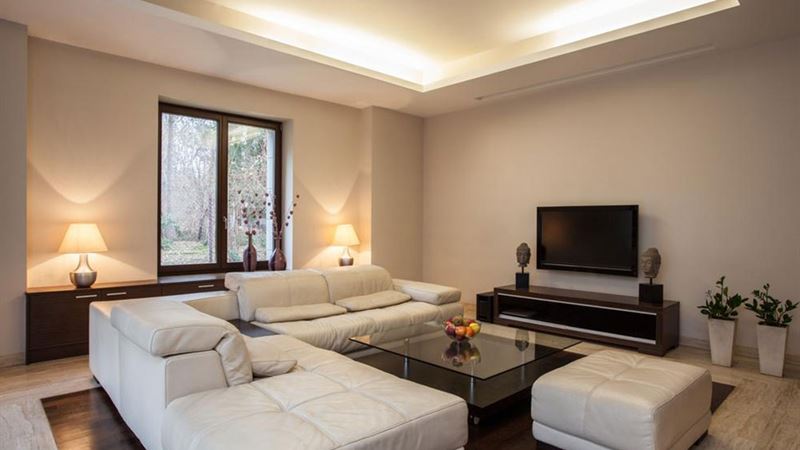
The realm of modern architecture has seen a transformative shift towards open source design principles, especially in the realm of modular homes. By embracing open source architecture, homeowners and builders can access innovative, aesthetically appealing, and highly customizable building plans without the hefty price tag typically associated with bespoke designs. This approach promotes flexibility, cost-efficiency, and sustainability—making it an ideal solution for a broad spectrum of property owners, from first-time buyers to seasoned investors.
Open source architecture refers to the practice of sharing detailed blueprints, CAD models, and design strategies freely or at minimal cost. These resources can be adapted, modified, and expanded upon, allowing homeowners to tailor their living spaces precisely to their needs and preferences. When applied to modular homes, open source design offers considerable advantages: it simplifies planning, accelerates construction timelines, and reduces overall costs. Since modular homes are prefabricated structures assembled on-site, integrating open source blueprints becomes a seamless process, enabling builders and DIY enthusiasts to implement innovative designs without starting from scratch.
One of the fundamental benefits of open source modular home designs is the ability to customize based on location-specific factors. It is essential to understand your site’s dimensions, orientation, and environmental conditions thoroughly. Proper site analysis will help determine optimal placement, sunlight exposure, and wind patterns, all of which influence the final design. Many open source plans are created with fixed modular dimensions in mind, ensuring compatibility with standard factory-produced components. This consideration not only simplifies the manufacturing process but also guarantees precise construction during assembly.
Cost is often a primary concern when building or upgrading a home. Open source architectural plans cater to a wide range of budgets, making quality design accessible to everyone. Instead of committing to a large and expensive home upfront—laden with mortgage debt—homeowners can start small with a compact, energy-efficient modular dwelling. These smaller units are typically one-tenth the cost of traditional homes and can be expanded gradually as needs evolve. Such an incremental approach to homeownership empowers individuals, especially young buyers, to enter the property market without financial strain, while also allowing for future customization and expansion.
Environmental sustainability is a core principle embedded in many open source design initiatives. Because the community-driven nature of open source architecture encourages eco-conscious choices, many plans incorporate green features such as solar panels, superior insulation materials, and efficient water and waste management systems. These features significantly reduce the ecological footprint of the home, lowering utility bills and promoting sustainable living. Additionally, modular construction itself aligns with eco-friendly practices by generating less waste, minimizing site disturbance, and allowing for reuse or repurposing of components.
Imagine living in a beautiful, eco-friendly modular home that offers high customization, cost savings, and sustainability—all accessible through open source design. While the term might sound high-tech or intimidating, exploring open source blueprints can be straightforward and rewarding. The learning curve is manageable, especially with online communities, tutorials, and design repositories readily available. Embracing open source architecture not only saves money but also allows for innovative, personalized homes that reflect your unique lifestyle and environmental values.
In conclusion, open source modular housing represents a revolutionary approach to residential design, offering affordability, flexibility, and eco-friendliness. Whether you are seeking a starter home, an investment property, or a sustainable retreat, the open source model provides a wealth of options that are easy to access and adapt. By leveraging community-shared blueprints and embracing modern construction techniques, you can build a beautiful, efficient, and cost-effective home that will stand the test of time. Don’t be deterred by the technological aspect; instead, see it as an opportunity to participate in a collaborative, innovative movement that is shaping the future of homebuilding.