
Comprehensive Guide to Effectively Treating Nail Fungus
This comprehensive guide provides in-depth information on identifying, preventing, and treating nail fungal infections. From recognizing symptoms to exploring medical and natural remedies, it offers practical tips to restore nail health effectively, emphasizing early intervention and preventive practices. Ideal for those seeking holistic and effective solutions, the article empowers readers to take proactive steps against nail fungus and maintain healthy nails.
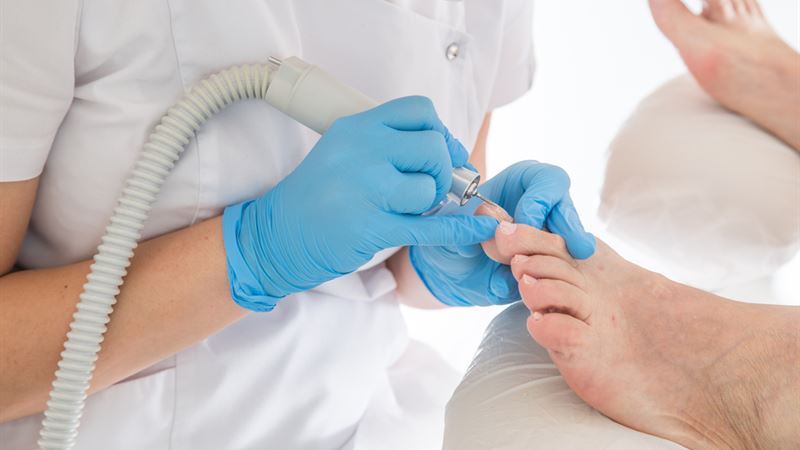
Nail fungus can manifest with various visible signs that indicate an underlying infection. Recognizing these symptoms early can prevent the progression and facilitate timely treatment. Common symptoms include:
- Thickened, brittle, or crumbly nails that may break easily
- Rough, distorted, and dull nail surfaces
- Discoloration of nails, turning yellow, brown, or white
- Scaling or hyperkeratosis beneath the nail surface
- Presence of yellow, white streaks or spots within the nail
- Yellow or white streaks or spots under the nail bed
- Separation of the nail from the nail bed (onychodysplasia)
- Unpleasant foul odor emanating from the affected nails
- Discomfort, pain, or tenderness around the nails
It's important to monitor these symptoms and seek appropriate treatment early to avoid complications such as nail loss or secondary bacterial infections.
While anyone can develop a nail fungal infection, certain factors increase susceptibility. Men tend to be at higher risk than women, and older adults are particularly vulnerable due to natural immune decline and slower nail growth. Additional risk factors include:
- Poor circulation, which hampers immune response
- Slow nail growth, providing more time for fungi to establish
- Excessive sweating that creates a moist environment
- Family history of fungal infections, indicating genetic predisposition
- Living or working in humid, damp environments like gyms or swimming pools
- Use of unclean or poorly maintained shoes and socks, especially if worn for long periods
- Prolonged use of artificial nails or nail polishes that trap moisture
- Walking barefoot in public places prone to fungal spores, such as locker rooms or communal showers
- Previous nail injuries or infections that compromise nail integrity
Understanding these factors helps in taking proactive steps to reduce risk and maintain healthy nails.
Prevention remains the most effective approach against nail fungus. Adopting good hygiene and lifestyle practices can significantly lower your risk of infection. Here are essential preventive measures:
- Wash hands and feet thoroughly and regularly, especially after exposure to communal areas
- Avoid walking barefoot in public showers, pools, or gyms
- Keep nails trimmed, smooth, and free of thickened areas through gentle filing
- Disinfect nail tools such as clippers and files after each use
- Apply moisturizer to nails and cuticles after washing to prevent dryness
- Change socks daily, opting for moisture-wicking and breathable materials
- Avoid reusing old shoes; incorporate antifungal powders or sprays to disinfect footwear
- Ensure salon manicurists sterilize their tools rigorously before use
- Limit or take breaks from nail polish and artificial nails to allow nails to breathe
These simple habits can dramatically decrease your chances of developing fungal infections and promote stronger, healthier nails.
Once infection sets in, prompt and appropriate treatment is crucial. Treatment strategies include both conventional medications and natural remedies, often used in combination for optimal results. Typical medical treatments involve:
- Topical antifungal medications such as creams, lacquers, or ointments. These are usually prescribed for mild to moderate infections and require consistent application over several weeks or months.
- Oral antifungal drugs may be prescribed for persistent or severe cases, often spanning multiple weeks and requiring medical supervision due to potential side effects.
- In some cases, debridement or removal of the infected nail may be necessary, especially if the nail becomes severely damaged.
Consulting a healthcare professional ensures tailored treatment plans suited to the severity of the infection and your overall health status.
Many natural remedies have shown promise in managing nail fungus. Incorporating these into your routine can complement medical treatments and aid in faster recovery. Here are the top home remedies:
- Vinegar — The acidic nature of vinegar creates an inhospitable environment for fungi. Soak affected nails in a mixture of equal parts vinegar and warm water for 15-20 minutes daily. Consistent use can reduce fungal growth.
- Listerine Mouthwash — Containing ingredients like thymol, menthol, and eucalyptus, Listerine has antifungal properties. Use it as a foot soak or rinse for best results.
- Baking Soda — Baking soda's antifungal and pH balancing qualities make it effective. Make a thick paste with water and apply on nails, or soak your feet in a baking soda solution for 15-20 minutes daily.
- Tea Tree Oil — Known for its strong antifungal and anti-inflammatory properties, applying a few drops of tea tree oil directly onto the infected nails twice daily can help diminish fungal presence.
- Ozonized Sunflower Oil — Regular topical application of ozonized sunflower oil twice a day can aid in eradicating fungal infections, thanks to its potent antimicrobial properties.
While natural remedies can be effective, they should be used consistently and in conjunction with medical advice for best outcomes.