
Understanding Liver Cirrhosis: Progression and Management Across Its Four Stages
Liver cirrhosis progresses through four distinct stages, each with unique symptoms and management strategies. Early detection and intervention are crucial to prevent severe complications such as variceal bleeding, ascites, and liver failure. This comprehensive guide explains each stage, their signs, reversibility, and treatment options, emphasizing lifestyle modifications and medical interventions essential for managing this chronic liver disease effectively and improving patient quality of life.
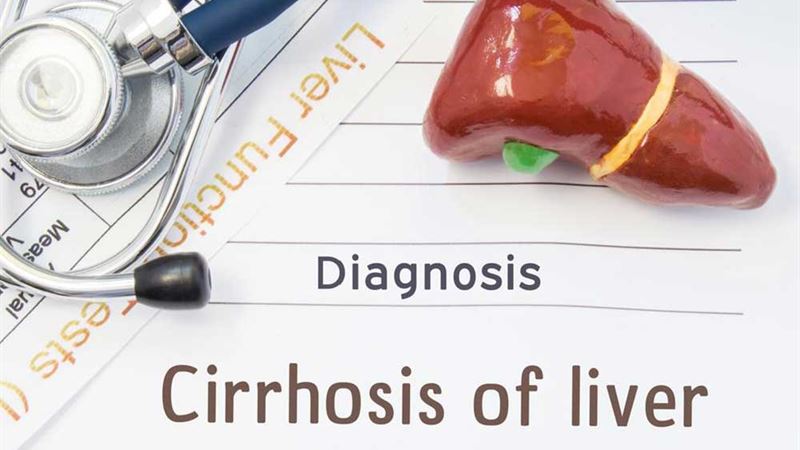
Chronic liver disease, particularly cirrhosis, poses significant health challenges worldwide. Its progression involves complex pathophysiological changes leading to serious complications such as variceal bleeding and fluid buildup in the abdomen, known as ascites. Recognizing the stages of cirrhosis is crucial for early intervention and effective management. The condition results from sustained liver injury due to factors like chronic alcohol use, hepatitis infections, or fatty liver disease, culminating in liver tissue scarring and loss of function. This detailed guide explores the four distinct stages of liver cirrhosis, their symptoms, potential reversibility, and treatment options to help patients and healthcare providers better understand and combat this progressive disease.
Stage 1: Early or Compensated Liver Cirrhosis
At this initial stage, the liver sustains damage but still manages to perform essential functions. Patients often remain asymptomatic or experience nonspecific symptoms such as fatigue, mild abdominal discomfort, or slight irregularities in digestion. Although histological changes are evident under microscopic examination, outward signs are minimal, making early detection challenging. Despite the absence of complications like varices or ascites at this stage, the underlying damage indicates ongoing pathological processes. Recognizing the subtle signs and conducting appropriate diagnostic tests—such as ultrasound imaging, blood tests, or liver biopsy—is vital for early intervention.
At this initial stage, the liver sustains damage but still manages to perform essential functions. Patients often remain asymptomatic or experience nonspecific symptoms such as fatigue, mild abdominal discomfort, or slight irregularities in digestion. Although histological changes are evident under microscopic examination, outward signs are minimal, making early detection challenging. Despite the absence of complications like varices or ascites at this stage, the underlying damage indicates ongoing pathological processes. Recognizing the subtle signs and conducting appropriate diagnostic tests—such as ultrasound imaging, blood tests, or liver biopsy—is vital for early intervention.
Stage 2: Moderate or Decompensated Liver Cirrhosis
As liver injury persists, portal hypertension begins to manifest more clearly. The increased resistance to blood flow through the scarred tissue causes blood to back up into the portal venous system. This results in the formation of enlarged veins known as varices, particularly in the esophagus and stomach. These varices are prone to rupture, leading to potentially life-threatening bleeding episodes. Patients may also start experiencing symptoms like enlarged spleen (splenomegaly), mild fluid retention, and mild jaundice. This stage signifies the progression from compensated to decompensated cirrhosis, though some cases might still be partially reversible with timely treatment and lifestyle modifications. Managing portal hypertension and monitoring for variceal development are critical at this point.
As liver injury persists, portal hypertension begins to manifest more clearly. The increased resistance to blood flow through the scarred tissue causes blood to back up into the portal venous system. This results in the formation of enlarged veins known as varices, particularly in the esophagus and stomach. These varices are prone to rupture, leading to potentially life-threatening bleeding episodes. Patients may also start experiencing symptoms like enlarged spleen (splenomegaly), mild fluid retention, and mild jaundice. This stage signifies the progression from compensated to decompensated cirrhosis, though some cases might still be partially reversible with timely treatment and lifestyle modifications. Managing portal hypertension and monitoring for variceal development are critical at this point.
Stage 3: Advanced or Irreversible Cirrhosis with Ascites
The third stage marks significant deterioration with persistent symptoms. Ascites, the accumulation of fluid in the abdominal cavity, becomes apparent and is often accompanied by lower extremity edema and increased abdominal girth. This stage signifies severe liver dysfunction, with widespread tissue scarring rendering the liver unable to regenerate effectively. Variceal formation continues, and the risk of rupture remains high. At this advanced stage, cirrhosis is generally irreversible, and management focuses on controlling symptoms and preventing complications. Treatments may include diuretics, paracentesis, beta-blockers, and nutritional support. Liver transplantation becomes the definitive treatment when other interventions fail.
The third stage marks significant deterioration with persistent symptoms. Ascites, the accumulation of fluid in the abdominal cavity, becomes apparent and is often accompanied by lower extremity edema and increased abdominal girth. This stage signifies severe liver dysfunction, with widespread tissue scarring rendering the liver unable to regenerate effectively. Variceal formation continues, and the risk of rupture remains high. At this advanced stage, cirrhosis is generally irreversible, and management focuses on controlling symptoms and preventing complications. Treatments may include diuretics, paracentesis, beta-blockers, and nutritional support. Liver transplantation becomes the definitive treatment when other interventions fail.
Stage 4: End-Stage Liver Disease and Liver Failure
The final and most critical phase of cirrhosis presents with life-threatening complications. Varices may rupture, causing massive bleeding, and hepatic encephalopathy—a decline in brain function due to toxins accumulating in the brain—may develop. Moreover, the liver’s ability to synthesize essential proteins and clotting factors diminishes, leading to increased bleeding tendencies and susceptibility to infections. The presence of jaundice, persistent ascites despite therapy, kidney failure, and significant hepatic impairment characterizes this stage. Liver transplantation is the only viable option to save life at this stage, underscoring the importance of early diagnosis and management to prevent reaching this critical point.
The final and most critical phase of cirrhosis presents with life-threatening complications. Varices may rupture, causing massive bleeding, and hepatic encephalopathy—a decline in brain function due to toxins accumulating in the brain—may develop. Moreover, the liver’s ability to synthesize essential proteins and clotting factors diminishes, leading to increased bleeding tendencies and susceptibility to infections. The presence of jaundice, persistent ascites despite therapy, kidney failure, and significant hepatic impairment characterizes this stage. Liver transplantation is the only viable option to save life at this stage, underscoring the importance of early diagnosis and management to prevent reaching this critical point.
Effective Strategies for Managing Liver Cirrhosis
Managing cirrhosis involves a comprehensive approach tailored to the disease stage and individual patient needs. Early detection and lifestyle modifications are essential for slowing disease progression and improving quality of life. Here are key strategies to consider:
Managing cirrhosis involves a comprehensive approach tailored to the disease stage and individual patient needs. Early detection and lifestyle modifications are essential for slowing disease progression and improving quality of life. Here are key strategies to consider:
- Avoid or limit alcohol consumption to prevent further liver damage. Alcohol is one of the primary causes and accelerators of cirrhosis progression.
- Adopt a balanced diet rich in vitamins and nutrients, including multivitamins, to support overall health. Special attention to protein intake is important to avoid malnutrition.
- Refrain from using nonsteroidal anti-inflammatory drugs (NSAIDs) without medical advice, as these can exacerbate bleeding risks and liver injury.
- Regular medical check-ups and monitoring for complications like varices, ascites, or hepatic encephalopathy are vital.
- Explore surgical options such as liver transplantation if the disease advances to severe stages.
- Manage symptoms proactively with medications prescribed by healthcare providers, including diuretics, beta-blockers, and lactulose.
- Address underlying causes such as hepatitis infections through antiviral therapies or lifestyle changes to prevent further liver damage.
- Maintain adequate hydration and avoid hepatotoxic substances, including certain medications and toxins.