
Comprehensive Guide to Identifying and Treating Common Fungal Infections
Discover an in-depth understanding of common fungal infections including their causes, symptoms, diagnosis, and effective treatment options. Learn how to recognize these infections early and adopt preventive measures to stay healthy. This comprehensive guide offers valuable insights into managing conditions like Athlete’s foot, Ringworm, Tinea capitis, Onychomycosis, and Oral Thrush, emphasizing the importance of prompt medical intervention and personal hygiene. Stay informed, stay healthy, and take control of your well-being with expert advice on fungal infections and their treatments.
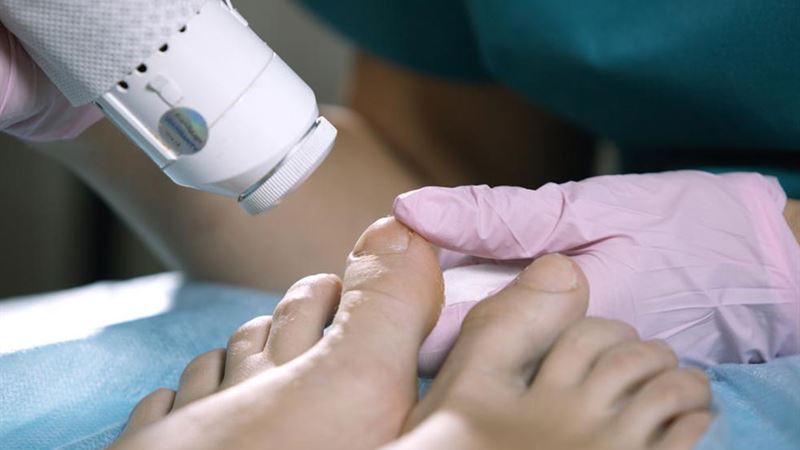
Fungal infections are a widespread health concern affecting millions globally, caused by various types of fungi that invade different parts of the body. Understanding the types, causes, symptoms, and treatment options of these infections is essential for effective management and recovery. This comprehensive guide aims to provide detailed insights into common fungal infections, their symptoms, risk factors, prevention strategies, and available treatments, helping individuals identify and address these conditions promptly.
Fungi are a diverse group of organisms, some of which are harmless, while others can cause serious health issues. Fungal infections, medically known as mycoses, can affect the skin, nails, hair, or internal organs. They are often characterized by symptoms such as itching, redness, blisters, and discoloration of affected areas. Exposure to damp environments, poor hygiene, compromised immune systems, and close contact with infected individuals are common risk factors.
In this guide, we will explore the most prevalent types of fungal infections, including Athlete’s foot, Ringworm, Tinea capitis, Onychomycosis, and Oral Thrush, among others. We will discuss their causes, typical symptoms, diagnostic methods, and treatment options, emphasizing the importance of early detection and proper medical intervention. Additionally, tips on prevention and maintaining hygienic practices will be provided to reduce the risk of infection.
Whether you suspect you have a fungal infection or aim to prevent one, this guide will equip you with the knowledge necessary to take appropriate steps for your health and well-being. Remember, while fungal infections can be uncomfortable and sometimes embarrassing, they are highly treatable. Consulting a healthcare professional is essential for accurate diagnosis and effective treatment plans.
Understanding these infections not only helps in managing them properly but also aids in reducing their spread, thereby protecting your loved ones and community. Staying informed and proactive is the key to combating fungal infections effectively.