
Comprehensive Guide to Treating Toenail Fungal Infections
This comprehensive guide explores effective treatments for toenail fungal infections, including medication options, surgical procedures, and natural remedies. It emphasizes the importance of prompt medical attention, proper foot hygiene, and lifestyle changes to prevent recurrence and ensure healthy nails. Discover how to manage toenail fungi with proven therapies and simple home solutions, suitable for mild to severe cases. Maintaining foot health is vital for overall wellbeing, and understanding various treatment options can help you choose the best approach to eliminate toenail infections effectively.
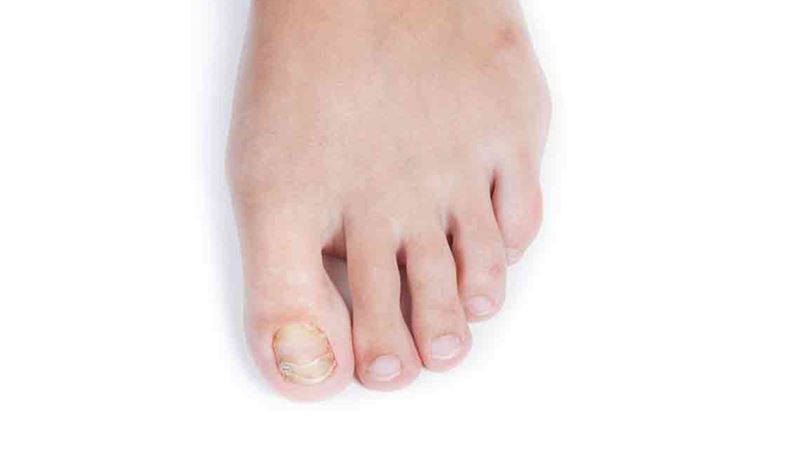
Toenail fungal infections, also known as onychomycosis, are common conditions that affect many individuals worldwide. These infections are caused primarily by dermatophyte fungi but can also result from yeasts or molds. Although often mild and treatable, they can lead to discomfort, thickened nails, and aesthetic concerns. This detailed guide explores various treatment options, preventive measures, and home remedies to effectively combat fungal infections in the toenails and prevent recurrence.
Fungal infections in the toenails are predominantly caused by dermatophyte fungi, which thrive in warm, moist environments. These infections tend to be more prevalent among the elderly, diabetics, athletes, or individuals who frequently wear closed shoes and walk barefoot in communal settings such as swimming pools or locker rooms. An increased frequency of sweating or poor foot hygiene can also elevate the risk.
Fortunately, most cases of toenail fungal infections are not severe and respond well to various treatments. Nonetheless, for individuals with compromised immune systems or underlying health conditions like diabetes, these infections can become complicated, leading to secondary bacterial infections or more extensive tissue damage. Prompt and appropriate treatment is essential to prevent further complications and restore nail health.
Effective management of toenail fungus typically involves a combination of medications, lifestyle adjustments, and in some cases, surgical intervention. Treatment approaches vary depending on the severity of the infection and patient-specific factors.
Medical Treatments for Toenail Fungus
One of the most popular and effective methods to combat toenail fungal infections is the use of oral antifungal medications. These drugs work systemically to eradicate the fungus beneath and within the nail tissue. Commonly prescribed oral antifungals include itraconazole (Sporanox) and terbinafine (Lamisil). These medications are usually taken for a duration of 6 to 12 weeks, depending on the severity of the infection. It is essential to follow prescribed dosages and durations to achieve optimal results, as using these drugs improperly can lead to resistance or side effects.
Medication therapy often results in the regrowth of a healthy, clear nail once the infection clears, which can take up to four months. Sometimes, combining oral antifungals with topical treatments enhances effectiveness and reduces recurrence risk. Regular blood tests might be necessary to monitor liver function because of potential side effects associated with these drugs. Self-medicating or discontinuing treatment prematurely can result in persistent or recurrent infections, so it is crucial to adhere strictly to medical guidance.
Topical treatments include medicated nail lacquers or creams designed to deliver antifungal agents directly to the affected nail. Ciclopirox (Penlac) is a commonly used medicated nail polish that, when applied daily, can help inhibit fungal growth. This therapy may last for up to a year, especially in mild cases, but requires patient compliance for effective results. Proper nail care, including cleaning and thinning thickened nails, facilitates better absorption of topical medications.
Surgical and Procedural Interventions
In instances where fungal infections are severe, painful, or resistant to medications, surgical options may be considered. Nail removal is a common procedure when the nail is extensively damaged or causing significant discomfort. The procedure involves carefully extracting the infected nail, allowing the underlying nail bed to be treated with antifungal agents such as ciclopirox or other topical formulations. Once the infected nail is removed, a new nail usually begins to grow within a year, although the new nail’s appearance and health depend on the underlying nail bed condition.
In some cases, laser therapy has emerged as a promising alternative. This method employs focused laser beams to destroy fungal elements in the nail and surrounding tissue. While more research is ongoing, laser treatments are considered safe and non-invasive, with promising results for certain patients.
Home Remedies and Natural Approaches
For mild cases, many individuals resort to home remedies that may help reduce fungal load and promote healing. Natural antifungal agents such as tea tree oil and oregano oil are popular options. Tea tree oil contains terpinen-4-ol, which possesses potent antifungal properties, making it effective against superficial fungal infections. Oregano oil contains thymol, another compound with strong antifungal activity. These oils can be diluted with carrier oils and applied directly to the affected nails once or twice daily, but individuals should watch out for allergic reactions or skin irritation.
Soaking the feet in warm water mixed with vinegar in a 2:1 ratio for 20 minutes daily can also help combat fungus by creating an unfavorable environment for the growth of fungi. Using solutions like Listerine mouthwash or combining Listerine with vinegar can enhance these effects due to their antiseptic properties. Regular foot hygiene, keeping feet dry and clean, and wearing breathable footwear are essential preventive steps.
Cornmeal soaking is another unconventional home remedy. Prepare a paste by mixing hot water with cornmeal, allowing it to cool before soaking the feet for up to an hour daily. This method is believed to have antifungal effects, although scientific evidence remains limited. Regardless, maintaining proper foot hygiene and avoiding prolonged exposure to moist environments are crucial in managing and preventing toenail fungus.
While home remedies can be effective in early or mild infections, persistent or severe cases should be promptly evaluated by a healthcare professional. After successful treatment, maintaining foot hygiene—such as trimming nails regularly, wearing moisture-wicking socks, and avoiding walking barefoot in communal areas—can significantly reduce the risk of recurrence.