
Comprehensive Guide to Effective Contact Lens Usage and Care
Discover essential tips for safe and effective contact lens use, including types, handling, and maintenance. Learn how to prevent complications and ensure eye health with professional guidance. A comprehensive guide for contact lens wearers seeking clarity and safety in their vision correction routine.
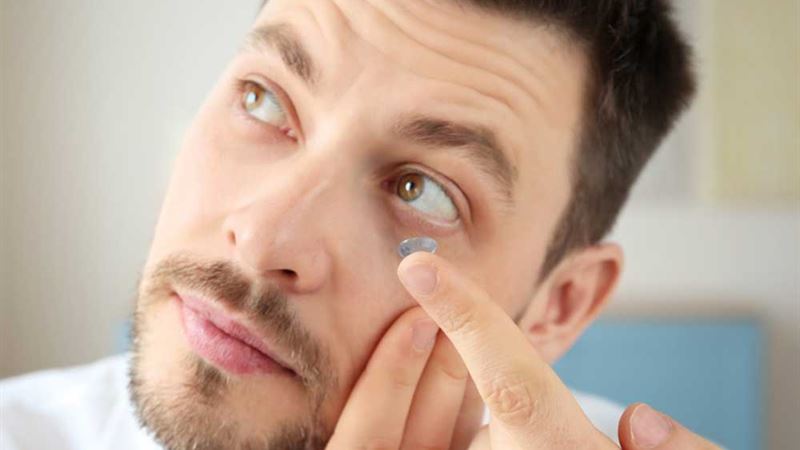
Rigid Gas Permeable (RGP) Contact Lenses:
- These lenses are renowned for durability and resistance to deposits, providing sharper, clearer vision over time.
- They are easier to handle and less prone to tearing compared to soft lenses.
- Initially, RGP lenses may feel less comfortable, and it may take several days to adapt to wearing them comfortably.
Extended Wear Contact Lenses:
- Typically made from soft, flexible plastics that allow high oxygen flow to the cornea.
- Designed for continuous use ranging from one night up to several weeks, depending on the lens specifications and eye care provider’s recommendations.
Disposable (Replacement Schedule) Contact Lenses:
- Most soft contact lens users are advised to follow a specific replacement schedule to maintain eye health.
- Daily disposable lenses are replaced every day, offering convenience and reducing the risk of deposits and infections.
- Some soft lenses marketed as “disposable” are intended for planned, frequent replacement rather than daily disposal; always follow the manufacturer’s instructions.
Essential Tips to Prevent Contact Lens-Related Complications
Even though all contact lenses are classified as medical devices and approved by relevant health authorities like the FDA, they must always be used under professional guidance. Incorrect use can lead to serious issues such as infections, inflammation, and in severe cases, permanent vision loss or blindness.
Adhering to proper care and usage protocols is crucial. Here are best practices to keep your eyes safe:
- Always consult an eye care specialist before starting contact lens use or if you experience discomfort or vision changes.
- Purchase your contact lenses from reputable, authorized sources to ensure safety and authenticity.
- Maintain proper hygiene by cleaning lenses thoroughly with appropriate solutions and handling them with clean hands.
- Follow the prescribed wearing schedule and replacement timeline meticulously.
- Never sleep in lenses unless explicitly approved by a healthcare professional.
- Replace lens cases regularly to prevent bacterial buildup.
- Attend routine eye examinations to monitor eye health and ensure lenses fit correctly.
Understanding these guidelines will help you enjoy the benefits of contact lenses while minimizing risks. With proper knowledge and care, contact lenses can be a safe, convenient vision correction option for millions worldwide.