
Comprehensive Guide to Kidney and Liver Health: Essential Insights and Preventive Measures
This comprehensive guide explores the functions, diseases, diagnostic methods, and preventive strategies for kidney and liver health. It emphasizes early detection, lifestyle choices, and medical interventions to maintain optimal organ function, aiding readers in making informed health decisions for a long, healthy life.
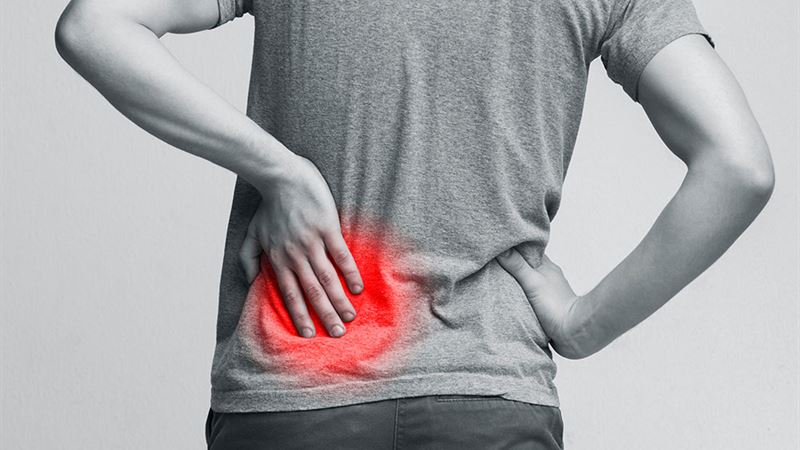
The health and functionality of your kidneys and liver are vital for overall well-being, playing crucial roles in detoxification, nutrient processing, and waste removal. Understanding the complexities of these organs, the diseases that can afflict them, and the ways to prevent and detect issues early on is essential for maintaining optimal health. This comprehensive guide delves into the detailed mechanisms of kidney and liver functions, the stages of related diseases, diagnostic approaches, and lifestyle strategies for prevention and management.
Understanding Kidney Function and Disease Progression
The kidneys are paired organs located on either side of the spine, responsible for filtering blood, removing waste products, balancing electrolytes, and regulating blood pressure. When your kidneys are functioning properly, they efficiently filter circulating waste like creatinine, urea, and excess fluids. However, various factors can impair their function, leading to chronic kidney disease (CKD) or acute kidney injuries.
Assessing Kidney Health: Glomerular Filtration Rate (GFR)
A key indicator of kidney health is the Glomerular Filtration Rate (GFR), a measure of how efficiently your kidneys filter blood. GFR is calculated considering age, gender, race, and serum creatinine levels. Creatinine, a waste product derived from muscle activity, remains relatively stable in healthy individuals. As kidney function deteriorates, serum creatinine levels increase, and GFR decreases, signifying worsening kidney health.
Staging of Chronic Kidney Disease
CKD is classified into stages based on GFR levels:
- Stage 1: GFR > 90 ml/min with signs of kidney damage
- Stage 2: GFR between 60-89 ml/min, indicating mild decline
- Stage 3A: GFR between 45-59 ml/min, moderate decline
- Stage 3B: GFR between 30-44 ml/min, more advanced decline
- Stage 4: GFR between 15-29 ml/min, severe reduction
- Stage 5: GFR less than 15 ml/min, indicating kidney failure
When GFR falls below 15 ml/min, it's a critical condition requiring dialysis or a kidney transplant to sustain life.
Understanding Liver Function and Disease Progression
The liver, the body's largest internal organ, is crucial for detoxification, protein synthesis, and digestion. Liver diseases can develop from genetic factors, alcohol misuse, infections like hepatitis, or exposure to toxins. These conditions progress through various stages, culminating in potentially fatal outcomes if unmanaged.
Stages of Liver Disease and Failure
- Inflammation (Hepatitis): The liver becomes enlarged and inflamed, often caused by viral infections, alcohol, or autoimmune conditions.
- Fibrosis: Over time, healthy liver tissue is gradually replaced by scar tissue, impairing liver function.
- Cirrhosis: Extensive scarring leads to severe liver impairment; the organ's ability to regenerate diminishes significantly, and failure begins.
- End-Stage Liver Disease (ESLD): Irreversible damage necessitates liver transplantation for survival.
- Liver Cancer: Uncontrolled proliferation of damaged or abnormal cells marks the development of hepatocellular carcinoma, which can be life-threatening.
Diagnostic Procedures for Kidney and Liver Conditions
Detecting kidney and liver diseases early significantly enhances treatment success. Diagnostic approaches include:
Tests for Kidney Disease
- Blood Tests: Measure serum creatinine, blood urea nitrogen (BUN), and glomerular filtration rate (GFR).
- Urinalysis: Detects protein, blood, or abnormal substances in urine indicative of kidney damage.
- Imaging: Ultrasounds, CT scans, and MRIs visualize kidney structure and detect obstructions or abnormalities.
- Kidney Biopsy: Small tissue samples examined microscopically help determine specific causes and disease severity.
Tests for Liver Disease
- Blood Tests: Liver function tests (LFTs) assess enzyme levels, bilirubin, and other markers of liver health.
- Imaging Studies: Ultrasound, elastography, or MRI provide detailed images of liver tissue and detect fibrosis or tumors.
- Liver Biopsy: Tissue sampling to analyze the extent of damage and fibrosis.
Strategies for Preventing Kidney and Liver Diseases
Proactive lifestyle choices are central to maintaining healthy kidneys and liver.
Prevention of Kidney Diseases
- Stay Hydrated: Drinking sufficient water helps your kidneys filter waste efficiently.
- Healthy Eating: Consume a balanced diet rich in fruits, vegetables, lean proteins, and whole grains; limit salt and processed foods.
- Regular Exercise: Engaging in physical activity helps maintain healthy blood pressure and blood sugar levels.
- Avoid Smoking and Excessive Alcohol: Both can damage kidney tissues over time.
- Monitor Chronic Conditions: Effective management of diabetes, hypertension, and heart disease reduces stress on kidneys.
- Routine Check-ups: Annual health screenings can detect early kidney issues before symptoms appear.
Prevention of Liver Diseases
- Hepatitis Vaccination: Protect against hepatitis B and hepatitis A infections.
- Avoid Excessive Alcohol: Limiting or abstaining from alcohol prevents liver inflammation and damage.
- Maintain Healthy Weight: Obesity increases the risk of fatty liver disease.
- Practice Safe Behaviors: Avoid sharing needles, practice safe sex, and avoid contaminated food and water sources.
- Use Medications Wisely: Never exceed prescribed doses, especially for acetaminophen or other hepatotoxic drugs.
- Regular Medical Check-ups: Routine testing can detect early signs of liver issues.
Long-term Benefits of Maintaining Organ Health
Consistently following healthful habits significantly reduces the risk of developing severe kidney and liver conditions. Early detection and treatment can prevent progression to advanced stages, avoiding the need for dialysis, transplantation, or life-threatening complications. Investing in your health today ensures a better quality of life, increased longevity, and the ability to enjoy everyday activities without the burden of chronic illness.
Conclusion
Understanding the vital roles of kidneys and liver, recognizing the stages of associated diseases, and adopting preventive measures are fundamental steps toward lifelong health. Regular screening, a balanced diet, physical activity, and avoiding harmful substances are simple yet impactful ways to protect these essential organs. By prioritizing health and seeking medical advice when needed, you can significantly reduce the risk of severe organ damage and enjoy a healthier, more vibrant life.