
Guide to Selecting Ideal Contact Lenses for Managing Dry Eyes
Discover expert tips on selecting the best contact lenses for dry eyes. Learn about lens materials, water content, size, and care tips to ensure comfort and safeguard your eye health. Consult professionals to find personalized solutions and enjoy clear vision without discomfort, even with dry eyes.
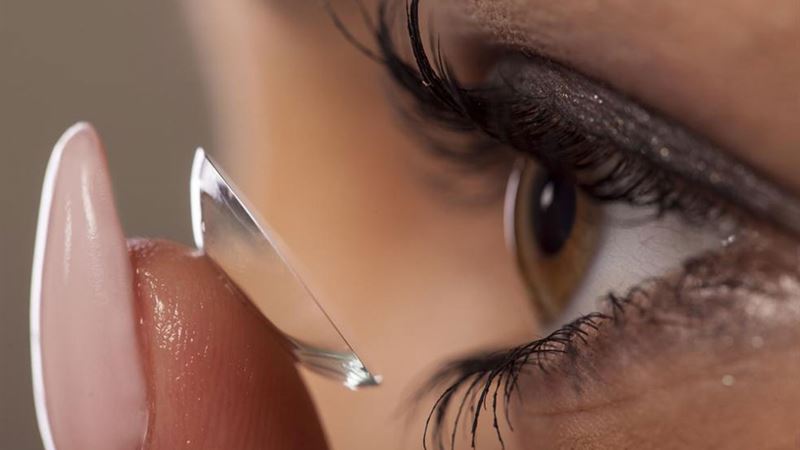
Choosing the right eye correction options often involves considering both aesthetics and comfort. While glasses are a common choice, many prefer contact lenses for their convenience and appearance. However, for individuals with dry eyes, selecting suitable contact lenses presents unique challenges. Improper lens choice can exacerbate dryness, discomfort, and even cause damage to the eyes. Therefore, understanding the critical factors involved in selecting the best contact lenses for dry eye sufferers is essential for maintaining eye health while enjoying the benefits of contact lenses.
This comprehensive guide aims to help you navigate the process of choosing contact lenses that suit your specific needs if you experience dry eyes. We will delve deeply into the relationship between dry eye syndrome and contact lens wear, exploring the types of lenses, materials, water content, size considerations, and additional tips to maximize comfort and eye health.
Before exploring options, it’s important to comprehend thoroughly how dry eye syndrome impacts contact lens users. Dry eye occurs when your eyes do not produce enough tears or when the tears evaporate too quickly. This leads to symptoms such as persistent irritation, redness, burning sensation, blurred vision, and sensitivity to light. For contact lens wearers, dry eyes can significantly diminish comfort, cause lens sticking, and even result in corneal damage if not managed properly.
When contact lenses are inserted into the eyes of someone with dry eyes, the lack of adequate lubrication intensifies discomfort. Lenses tend to dry out faster, stick to the cornea, and increase the likelihood of irritation. To combat this, choosing the right type of lenses and using supplementary products can substantially improve the experience.
- Lubricating Eye Drops and Treatments
One of the most effective strategies involves using preservative-free artificial tears formulated to hydrate and soothe dry eyes. These drops can be used before, during, or after wearing contact lenses to enhance comfort. In severe cases, ophthalmologists may prescribe treatments aimed at reducing tear film evaporation or increasing tear production. Procedures such as punctal plugs, which block tear drainage ducts, or treatment with medications that stimulate tear secretion, may significantly improve dry eye symptoms and lens tolerance. - Material Selection of Contact Lenses
The composition of contact lenses plays a vital role in managing dryness. Soft lenses made from advanced hydrogels or silicone hydrogel materials are highly recommended for dry eyes due to their high oxygen permeability and water content. These lenses facilitate better oxygen flow to the cornea, reducing hypoxia-related dryness. Rigid gas-permeable lenses, although less common for dry eye sufferers, can sometimes be beneficial if properly fitted, as they have less propensity to trap proteins and deposits that could worsen dryness. - Optimal Water Content in Lenses
Contact lenses are categorized based on their water content. Lenses with a higher water percentage (above 50%) tend to feel more moist initially but might cause increased drying over extended wear because water can evaporate more quickly. Conversely, lenses with moderate or lower water content may provide more stable comfort in dry conditions. Finding the perfect water content balance for your eyes involves trial, observation, and professional advice. Avoiding lenses with excessively high water content can prevent worsening dryness and improve overall comfort. - Lens Size and Design
The size and shape of contact lenses influence how well they perform for dry eye sufferers. Standard lenses typically have a diameter of about 9 millimeters, covering only the cornea and iris. Larger lenses, ranging from 15 to 22 millimeters, extend over the entire eye surface, offering better protection against moisture loss and potentially enhancing oxygen exchange. These larger, sometimes scleral, lenses act as a moisture reservoir, reducing evaporation and maintaining hydration for longer periods. Proper fitting by an eye care professional ensures comfort and safety.
In conclusion, choosing the best contact lenses for dry eyes requires a careful balance of various factors. Consulting with an eye care specialist is crucial to identify personalized options that suit your eye condition, lifestyle, and comfort preferences. By considering material quality, water content, lens size, and incorporating appropriate eye care routines, individuals with dry eyes can enjoy the benefits of contact lenses without compromising their eye health.
Always remember that managing dry eye syndrome while wearing contact lenses is a dynamic process. Regular eye examinations, adhering to prescribed lens wearing schedules, maintaining good hygiene, and using supplemental treatments can profoundly improve your ocular comfort and overall health. With the right approach, you can safely enjoy the convenience and aesthetic advantages of contact lenses even with dry eyes.