
Effective Strategies to Prevent Contact Lens-Induced Dry Eyes
Discover comprehensive strategies to prevent dry eyes caused by contact lens use. Learn about the evolution of contact lenses, their impact on eye health, and modern solutions designed for comfort and safety. This detailed guide offers tips and innovations for those prone to dry eyes, ensuring safe contact lens wear while maintaining optimal eye hydration. Practical advice and advancements in lens technology make it easier to enjoy clear vision without discomfort. Protect your eyes effectively with expert-recommended methods tailored for contact lens users concerned with dryness or irritation.
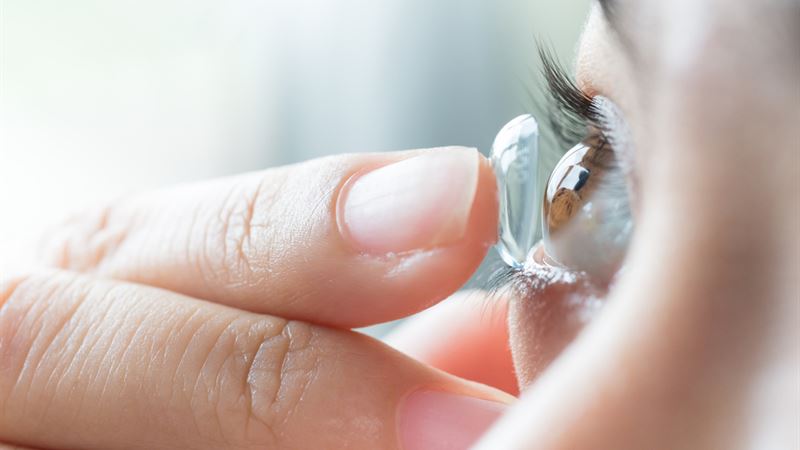
- Dry eye syndrome occurs when the eyes do not produce sufficient tears or when the tear film fails to adequately cover and lubricate the eye surface, leading to discomfort and vision problems.
- Tears serve essential functions in maintaining eye health by flushing out environmental irritants, nourishing the corneal surface, and supporting clear vision.
- Inadequate tear production or uneven distribution can result in dry eyes, which may be exacerbated by contact lens usage. Contact lenses can interfere with the natural tear film, potentially causing or worsening dryness.
- Symptoms of dry eyes include a persistent stinging or burning sensation, a gritty feeling, redness, and sensitivity to light.
- Individuals experiencing dry eye symptoms often notice blurred vision and find it uncomfortable to wear contact lenses for extended periods.
- Many contact lens users report episodes of blurred or cloudy vision, often accompanied by a sensation of swelling or pressure in the eyes.
- Research has identified a clear link between contact lens wear and dry eye development, with lenses impacting the eye’s lubrication mechanism.
- The core issue stems from contact lenses covering the cornea, which relies on the tear film for oxygen and nutrients. Since the cornea lacks blood vessels, it depends on this tear film, which is compromised when lenses are in place.
- The presence of a contact lens acts as a barrier, reducing oxygen diffusion from the atmosphere to the cornea, leading to a dehydrated, dry state. Over time, this can cause discomfort, irritation, and vision disturbances.
Tracing the Evolution of Contact Lenses to Minimize Dry Eye Risks
- The earliest contact lenses were crafted from glass, making them heavy and rigid, with no permeability to gases. Their bulkiness also made them uncomfortable and difficult to wear for prolonged periods.
- With advancements, plastic lenses replaced glass, but early plastic models remained non-breathable, preventing oxygen transfer to the cornea and limiting extended use. Users often had to remove lenses at night or use lubricants to alleviate dryness.
- Later innovations introduced porous contact lenses made from specialized plastics that allow gases to pass through, improving oxygen delivery. Despite this, challenges persisted because some lenses still displaced the tear film, reducing moisture and comfort.
- Dry eye issues are most common among wearers who neglect to remove their lenses overnight, depriving the cornea of essential oxygen and moisture, leading to dryness and discomfort.
The Role of Modern Contact Lenses in Combating Dry Eyes
- Today’s contact lenses are designed to be highly breathable and hydrophilic, meaning they can retain water and allow oxygen transfer while maintaining the tear film over the eye.
- These innovations help sustain natural eye lubrication and minimize the risk of dryness.
- Most modern lenses are classified as soft contacts, which are made of flexible, water-rich materials suitable for individuals with dry eyes or sensitivities.
Protective Measures to Prevent Dryness When Using Contact Lenses
- Choose contact lenses specifically formulated for dry eye sufferers—these are typically soft, water-retentive lenses that promote better hydration.
- Opt for lenses made from advanced plastics that enhance oxygen flow and water retention, ensuring the tear film remains stable.
- Always adhere to recommended wearing schedules, removing lenses at night to give the eyes time to recover and breathe.
- Use preservative-free artificial tears or lubricating eye drops to supplement natural tears, especially in dry environments or prolonged wear situations.
- Maintain proper eye hygiene and regular eye examinations to identify and address early signs of dryness or irritation.