
Natural Solutions for Alleviating Swollen Feet and Legs
Discover comprehensive natural methods to alleviate swollen feet and legs. From dietary adjustments to lifestyle tips, learn how to manage and prevent edema effectively. Recognize causes like prolonged standing, high salt intake, pregnancy, obesity, and hormonal fluctuations. Explore home remedies such as hydration, elevation, magnesium-rich foods, potassium sources, and gentle massage. Know when to seek medical help for serious symptoms. These practical steps can improve circulation, reduce discomfort, and promote healthier limbs, making this guide essential for anyone dealing with swelling issues or looking to prevent them.
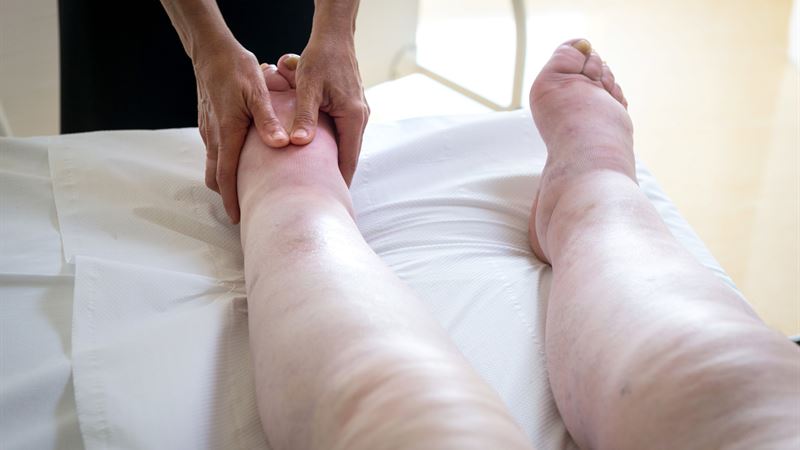
Understanding the Causes of Swollen Feet and Legs
Swelling in the feet and legs, medically known as edema, can occur due to various reasons. Recognizing these causes is crucial for effective treatment and prevention. Some common causes include prolonged periods of standing or sitting, dietary habits, pregnancy, weight issues, hormone fluctuations, and lymphatic system problems. Each factor impacts blood flow or fluid balance in different ways, leading to noticeable swelling. Identifying the root cause helps in choosing the right remedies and lifestyle changes to alleviate discomfort and prevent future occurrences.
- Extended Posture – Remaining in the same position for long durations, whether standing or sitting, hampers blood circulation. This stagnation causes blood to pool in the lower extremities, resulting in swelling, especially after a busy day.
- High Salt Consumption – Excessive intake of salt increases sodium levels, prompting the body to retain water. This water retention often manifests as swelling in the feet, ankles, and legs.
- Pregnancy – During pregnancy, hormonal fluctuations and growing baby size place pressure on pelvic veins, impairing blood flow and causing swelling. Additionally, relaxin hormone relaxes muscles and ligaments, contributing to fluid retention.
- Obesity – Extra weight puts additional strain on the circulatory system, making it difficult for blood to circulate efficiently and leading to fluid buildup in extremities.
- Hormonal Changes – Cyclical hormonal shifts during menstruation can lead to bloating and swelling due to water retention caused by hormonal fluctuations.
- Lymphedema – A less common but serious condition where lymphatic fluid accumulates due to lymphatic system blockages or damage, resulting in persistent swelling.
When to Consult a Healthcare Professional
If you observe certain symptoms alongside swelling, seeking medical advice is imperative. Warning signs include:
- Painful or tender swelling
- Difficulty breathing or shortness of breath
- Swelling confined to one limb or area
- Presence of fever with swelling
- Warmth, redness, or itchiness in the swollen region
- Chest pain, tightness, or unexplained pressure
Prompt consultation helps diagnose underlying health issues like infections, blood clots, or heart problems that need immediate attention.
Effective Home Remedies for Leg and Feet Swelling
- Stay Hydrated – Drinking an adequate amount of water (at least 8-10 glasses daily) helps prevent dehydration, which paradoxically can cause your body to retain water as a defense mechanism.
- Elevate Affected Limbs – Elevating your feet and legs above heart level reduces pressure and encourages fluid drainage. Make it a habit to elevate your legs during rest or sleep, especially during pregnancy.
- Magnesium-Rich Diet – Magnesium helps regulate fluid retention. Incorporate foods like almonds, spinach, avocados, tofu, and dark chocolate to boost magnesium levels naturally.
- Increase Potassium Intake – Potassium balances sodium levels in the body, aiding in reducing water retention. Include bananas, sweet potatoes, tomatoes, and fish like salmon in your meals.
- Gentle Massage – Massaging swollen areas with light pressure enhances circulation, relieves tension, and helps dispel excess fluid.
Tips for Preventing Foot and Leg Swelling
- Maintain a healthy weight through balanced diet and exercise.
- Engage in regular physical activity to promote circulation.
- Consume a diet rich in potassium and magnesium to support fluid balance.
- Drink plenty of water daily to stay hydrated.
- Avoid long periods of standing or sitting without breaks.
- Limit salt intake to minimize water retention.
Implementing these lifestyle changes can significantly reduce the likelihood of experiencing swelling and improve overall limb health.