
Comprehensive Guide to Heat Rash: Prevention, Symptoms, and Effective Treatments
This comprehensive guide explores heat rash, covering causes, symptoms, and a variety of effective treatment options. It emphasizes home remedies and medical solutions, along with preventive strategies to avoid recurrence during hot weather. Suitable for all ages, this article provides valuable advice to manage and prevent heat rash comfortably and safely, ensuring quick relief and healthy skin. Learn how to recognize early signs, implement practical care tips, and prevent complications with expert-recommended methods.
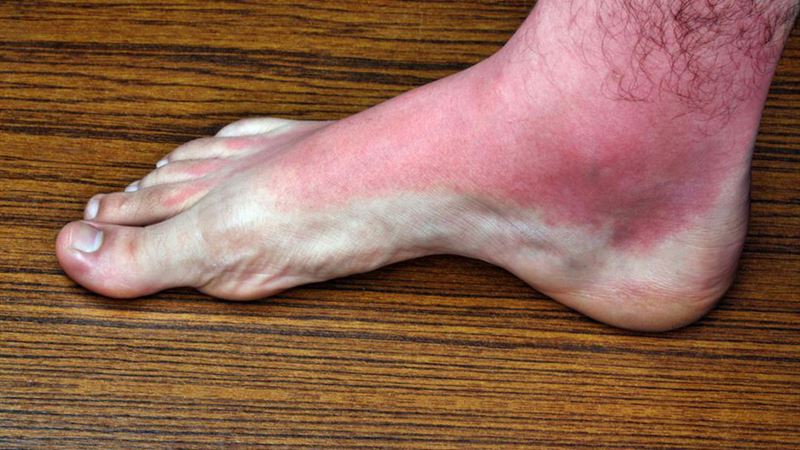
Heat rash, also known as prickly heat or miliaria, is a common skin condition that affects people of all ages, especially during hot and humid weather. It manifests as small, itchy bumps on the skin and can be quite uncomfortable if not treated properly. While often considered a minor skin irritation, heat rash can sometimes lead to complications such as infections if neglected. Understanding the causes, symptoms, and effective remedies is essential for managing and preventing this condition.
What is Heat Rash?
Heat rash occurs when sweat is trapped beneath the skin due to blocked sweat ducts. This blockage results from excessive sweating in hot, humid environments, or from excessive clothing that prevents proper air circulation. The buildup of sweat causes inflammation and small bumps that can be itchy or uncomfortable. Although heat rash is more common in infants, adults are equally susceptible, especially during summer or in hot climates. Recognizing the signs early and applying appropriate treatments can significantly ease discomfort and prevent secondary infections.
Heat rash develops when the body's natural cooling mechanism is overwhelmed. Normally, sweat glands produce sweat to help regulate body temperature. When sweat ducts become blocked, sweat accumulates under the skin, leading to skin irritation and rashes. Factors contributing to heat rash include high temperatures, excessive humidity, tight clothing, and prolonged exposure to heat without proper ventilation. Individuals who are overweight, pregnant, or have certain skin conditions are also at increased risk.
The primary symptoms involve the appearance of small, red or pink bumps that can develop into blisters. These bumps are usually itchy, prickly, or tingling, giving rise to the common name prickly heat. In severe cases, the rash can become inflamed or infected, leading to swelling, pain, and even fever. Therefore, early detection and treatment are crucial to manage symptoms effectively and avoid complications.
Here are some hallmark signs to look out for:
- Clusters of tiny, red or pink raised bumps
- Persistent itching and prickling sensation
- Redness and swelling around the affected area
- Possible blister formation in severe cases
- Fever, chills, or general malaise when infection occurs
Understanding how to differentiate heat rash from other skin conditions is vital. Common signs include the sudden appearance of rash after exposure to heat or sweating. The rash typically appears in areas where skin folds, clothing constricts, or sweating is concentrated, such as the neck, back, chest, groin, and thighs. In children, heat rash often develops in areas covered by diapers, neck folds, or underarm regions.
If the rash resolves within 3 to 4 days with proper care, it's usually benign. However, if symptoms worsen or persist beyond this period, it is advisable to consult a healthcare professional to rule out other dermatological issues or skin infections.
Watch for signs of secondary infection, including:
- Increased redness and swelling
- Yellow or green pus indicating bacterial infection
- Fever or chills without a clear cause
- Spreading of rash or appearance of new lesions
Effective management of heat rashes involves both home remedies and medical interventions. Recognizing when to seek medical help is essential for quick recovery and preventing further skin issues.
Home Remedies and Self-care Strategies
Managing heat rash at home is usually straightforward. Several simple remedies can alleviate symptoms, reduce inflammation, and promote faster healing. These are especially useful in mild cases or as a first line of treatment.
- Wear loose, lightweight, and breathable clothing such as cotton to reduce skin irritation.
- Stay in cool, air-conditioned environments as much as possible, especially during peak heat hours.
- Expose affected areas to air whenever feasible without causing further irritation.
- Avoid applying oily lotions, creams, or ointments that may block pores further. Instead, opt for natural soothing remedies.
- Take frequent lukewarm or cool baths to soothe irritated skin and remove excess sweat.
- Use mild, chemical-free soaps that do not strip the skin's natural oils.
- Avoid long exposure to direct sunlight, especially on rashes—consider wearing hats or protective clothing when outdoors.
- Stay well-hydrated by drinking plenty of water, herbal teas, and fresh fruit juices to help regulate body temperature and flush out toxins.
- Refrain from scratching the rash, as this can worsen inflammation and create open wounds vulnerable to infection.
These measures are often sufficient to manage mild heat rash and promote natural healing. Consistent skin care and environmental modifications can make a significant difference in preventing recurrence.
Medical Treatments for Severe or Persistent Cases
When home remedies do not provide relief, or if the rash becomes inflamed, painful, or infected, medical intervention is necessary. Healthcare providers may recommend topical medications to control symptoms and reduce inflammation.
- Calamine Lotion: Widely used to soothe itching and calm irritated skin. It provides a cooling sensation and reduces discomfort.
- Topical Steroids: Such as hydrocortisone creams, are reserved for severe cases or extensive rashes, and should be used under medical supervision.
- Antibiotic Ointments: Prescribed if bacterial infection develops secondary to rash scratching or open wounds.
- Oral Medications: Rarely necessary but may include antihistamines for severe itching or antibiotics in case of infections.
In some cases, dermatologists may recommend procedures such as laser therapy or other advanced treatments for recurrent or resistant cases. Proper diagnosis and personalized treatment plans are key to successful management.
Preventive Measures to Avoid Heat Rash
Prevention remains the best approach to managing heat rash. Several proactive strategies can significantly reduce the risk of developing this uncomfortable skin condition.
- Maintain a cool environment by using fans, air conditioning, or staying indoors during the hottest parts of the day.
- Wear loose-fitting, breathable clothing made from natural fibers like cotton or linen.
- Take frequent showers, especially after activities that cause sweating, and dry the skin thoroughly with a clean towel.
- Avoid tight clothing and synthetic fabrics that trap heat and humidity.
- Stay well-hydrated with water and electrolyte-rich drinks, especially in hot weather or during physical exertion.
- Limit outdoor activities during peak heat hours; plan outdoor pursuits for early mornings or late evenings.
- Use cooling products such as cooling towels or sprays to help lower skin temperature.
- Reapply sunscreen and wear protective clothing to prevent skin irritation and dehydration.
By adopting these precautions, you can prevent heat rash and maintain healthy, comfortable skin throughout the hot seasons.
The human body's skin acts as a crucial barrier against external aggressors, providing protection from UV radiation and harmful chemicals. Its ability to regulate temperature through sweat is vital for overall health. When sweat ducts become blocked due to excessive heat or friction, sweat cannot reach the surface and remains trapped beneath the skin. This leads to inflammation, redness, and the characteristic rash of heat rash. Adequate treatment, good hygiene, and preventive measures are essential in combating this common yet bothersome skin condition.